Amber is spreading across the Foreign Office map of Mexico. The colour indicates the areas of this vast country on the FCDO’s “no-go” register. “Advise against all but essential travel” is not the highest level of warning, but it is enough to invalidate standard insurance policies.
The patchwork of amber marks vast swathes of dangerous territory, including an area stretching over 600 miles from Ciudad Juarez on the US frontier to the Pacific coast.
Overnight, the cartographers have replaced the green (meaning an acceptable level of risk) around the World Cup host city of Guadalajara and mega-resort of Puerto Vallarta with amber.
Even though the Foreign Office notes that “the Mexican government makes efforts to protect major tourist destinations”, for mainland Mexico (not counting the Baja Peninsula), more of the Pacific shore is now off-limits than not.
“Drug-related violence in Mexico has increased over recent years,” the official advice adds. “Some areas of Mexico have a high crime rate due to fighting between rival organised crime gangs. In these areas, there is a risk of being caught in the crossfire or of being mistaken for a gang member.”
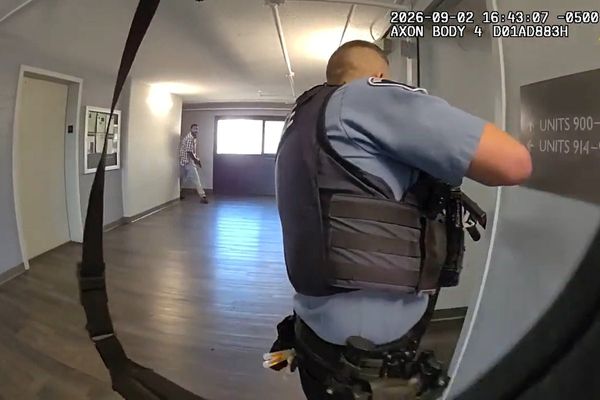
The level of violence has soared since Sunday. The nation’s most wanted man – Jalisco New Generation Cartel (CJNG) leader Nemesio Oseguera Cervantes – was killed during an operation by the Mexican military.
Armed gangs sought immediately to avenge the death of “El Mencho”, as he was better known. As the CJNG is one of the biggest and most violent organised crime gangs in Mexico, it was able to organise large-scale coordinated attacks across the country – but particularly in Jalisco state, the cartel’s heartland, which includes Puerto Vallarta and Guadalajara.
Things many only get worse for Mexico, predicts Sandra Pellegrini, senior analyst for Latin America for the conflict monitoring group Acled: “Past cases suggest leadership removals rarely reduce violence long term, and instead often trigger instability as factions compete for power.”
Yet with such great scale, beauty and diversity, the nation delivers rich rewards to travellers – and (almost all) the people are friendly and welcoming.
These are some of the places to which I would happily return tomorrow.
Chihuahua and the Copper Canyon Railway
Right in the middle of a slab of no-go territory the size the UK and Ireland combined, the city of Chihuahua is regarded as safe. Explore the historic centre and feast at the city’s market – then head for the sleepy railway station to board a train following the Barrancas del Cobre – the Copper Canyon. The route of the El Chepe train is regarded as a safe bet, allowing you to enjoy over 400 miles of spectacular scenery as you rattle beside a series of gashes in the surface of the earth and down to the (also safe) Pacific city of Los Mochis.
Baja California Sur
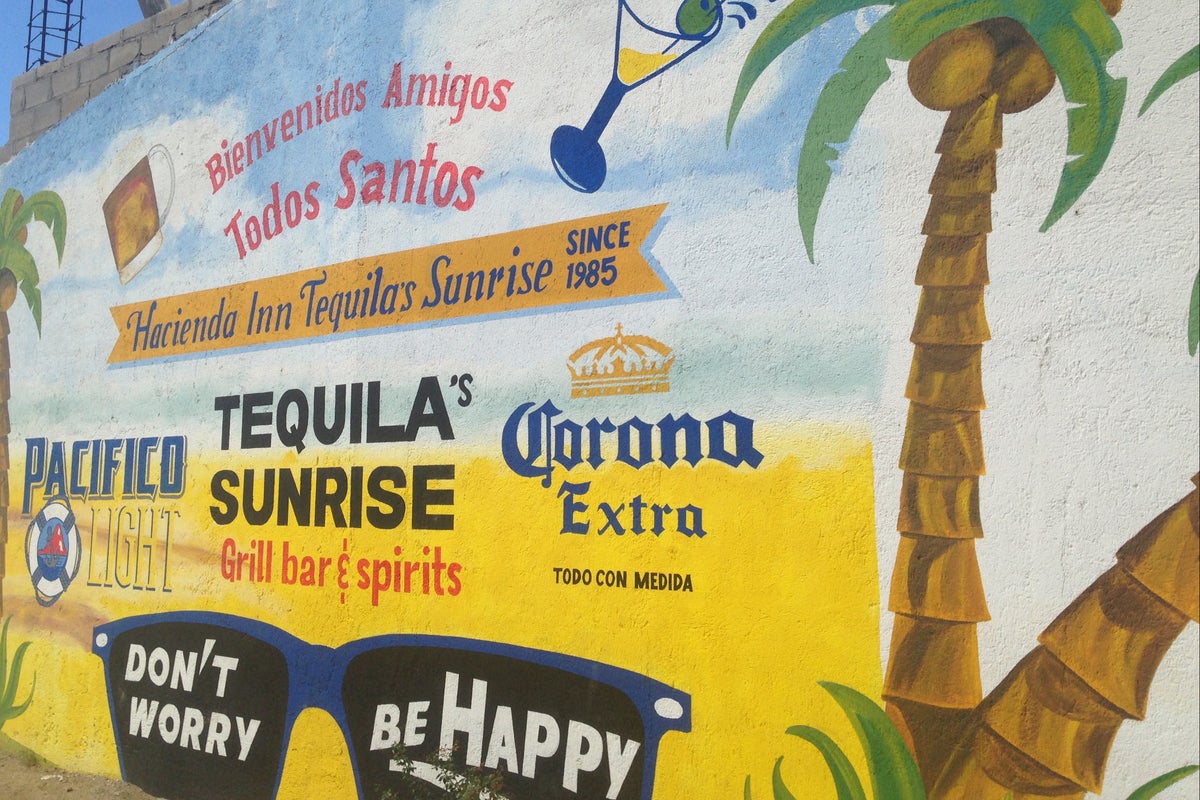
The border city of Tijuana (home of the Ceasar salad) is off-limits, but the far end of the Baja Peninsula enjoys natural protection from the drugs cartels: the one highway in is easy to protect. All of it is adorable: the authentically Mexican cities of San Jose del Cabo and La Paz contrast with cheerful American excess in Cabo San Lucas and the last resort of US hippiedom, Todos los Santos. This is where the Tropic of Cancer meets the Age of Aquarius, and massage and metaphysics converge to satisfy body and soul.
Puebla and Cholula
Despite a devastating earthquake in the final year of the 20th century, Puebla remains on of the most beautiful colonial cities of the Americas: a study in gracefully declining magnificence. Mexico’s tallest cathedral still stands, and the Museo Amparo is simply one of the finest museums in the nation. A half-hour bus ride takes you to Cholula, location for an ancient pyramid. Add in two exquisite churches – Santa Maria Tonanitzintla and the Templo de San Francisco, and this area makes an ideal escape from Mexico City.
Uxmal
The Yucatan peninsula, heartland of the Mayan empire, is dense with the startling structures imposed upon an unyielding terrain. Chichen Itza and Tulum attract the biggest coach parties. But Uxmal is more rewarding. Compressed into a few acres, you find a pyramid whose ascent is scarier than an encounter with the most erratic Mexican motorist; a pre-Catholic convent; and an archaic civic centre that reminds us humans are much the same, across the world and down the centuries.
Whatever happened to Acapulco?
For decades, Acapulco on the southern Pacific coast of Mexico, was one of the biggest tourist draws in Latin America. Less than five hours’ drive from the capital, it has welcomed millions of visitors – even including an Abta Travel Convention noted for an unfortunate outbreak of gastric illness. High divers still hurl themselves off the cliffs to plunge over 100 feet into the ocean, but both the UK and US warn their citizens to steer clear due to some extreme violence – stemming from two decades of gang warfare that has brought killings to the beach.
Read more: Expert advice on risk in Mexico
Expert analysis: How dangerous is Mexico for tourists?
Foreign Office issues Mexico travel warning after drug cartel violence
Mexico: What are your travel rights if you are there or are booked to go?
Mexico fears more violence as tourists warned following killing of Cartel boss
German tourists rescued from DIY ‘floating sauna’ in Sweden
SpiceJet aircraft turns back minutes after take-off triggering ‘full emergency’