
Music just isn’t like other mediums. Somehow it has the ability, tantamount to magic, of drilling deeper within, tickling deeply entrenched emotions we perhaps didn’t realise we could feel.
A melody can be encoded with memory, chords can dredge up the very smell of the room you were in during a pivotal turning point in your life, and a certain lyric - backed with the right chord progression - can resurrect people and conversations long-buried in the subconscious.
Though every art form has distinct attributes - film, television, literature and even video games, music, by its very unspoken nature, supplants surface level storytelling with pure resonance.
It makes a grasp for the very soul of the listener. Whether that be a song that is tailor-made to draw tears and inner-reflection, or tracks that are structured to make listeners feel like the coolest people on Earth - having the best night out it's possible to have within that very moment of hearing the track. Music programs the human mind to steer itself a certain way.
This is why so many other, more straightforward, storytelling mediums, draw on the power of music to underscore their narrative beats.
For instance, in some of the most beloved films in the canon of modern cinema, music courses through every scene.
For some filmmakers, the emotional purity of music serves as the essential framework on which the surrounding narrative is draped.
“I hear the movie more in terms of music than I do in terms of sound effects,” said Star Wars creator George Lucas on the origins of his sci-fi mega-franchise. “I can actually hear it in my mind. I pay a lot of attention to the music, even during the early stages of writing.”
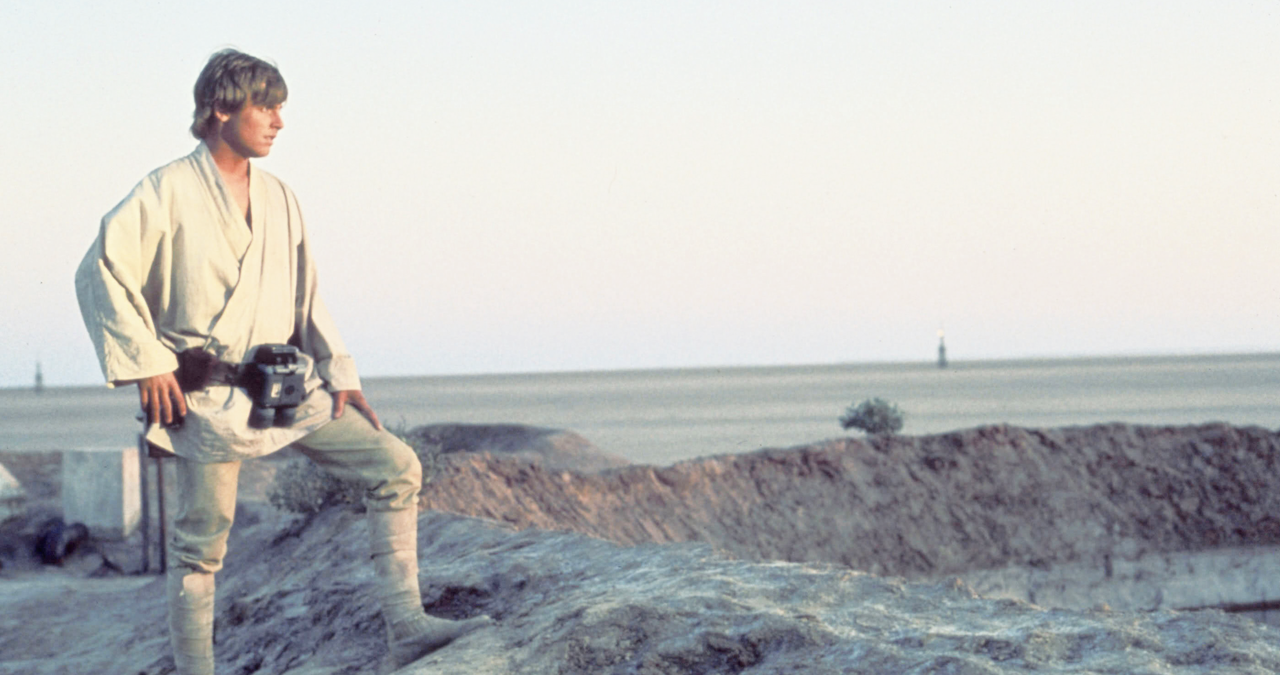
Can you imagine Star Wars' iconic, wordless 'binary sunset' scene without music?