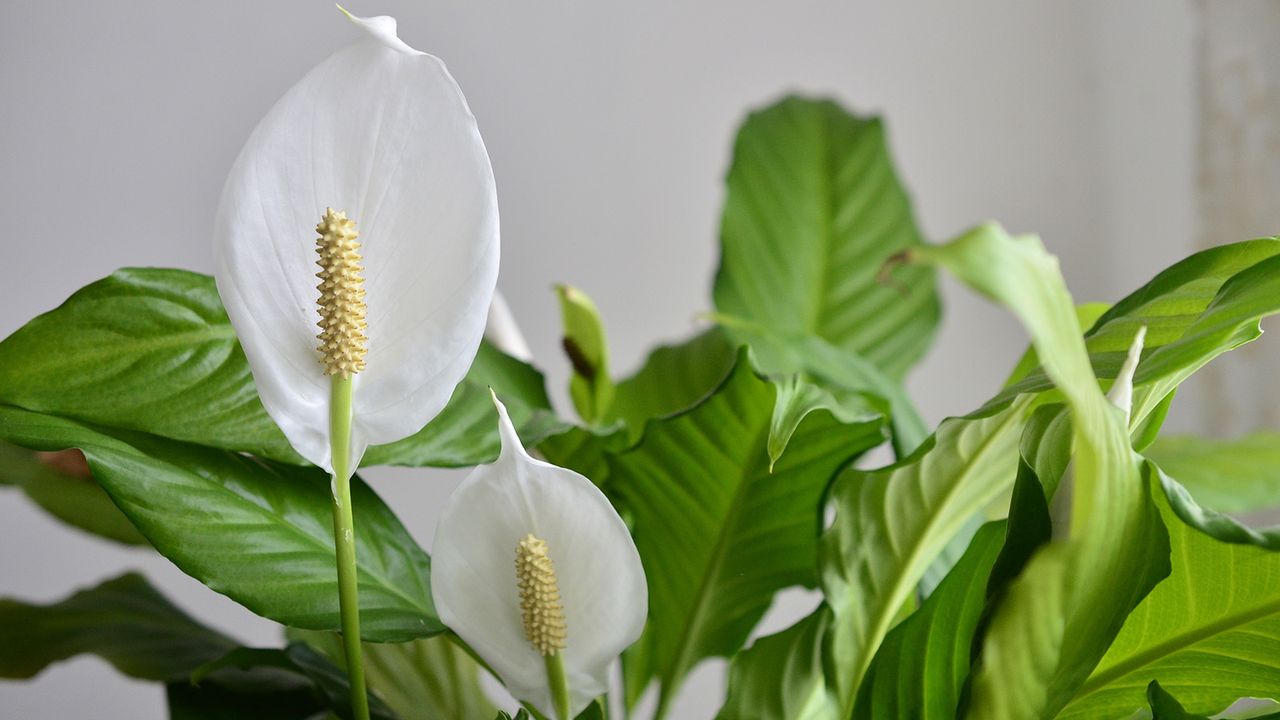
Peace lilies are forgiving houseplants that tolerate a range of conditions, but placement makes the difference between a plant that merely survives and one that flourishes with regular blooms. The biggest mistake is direct sunlight — peace lilies naturally grow in shaded tropical forests.
They need humidity, indirect light, and protection from harsh sun. Choose the wrong spot and you'll end up with scorched leaves and no flowers. Choose the right location and your peace lily will reward you with glossy foliage and elegant white blooms throughout the year.
Here are five ideal spots in your home where your peace lily will thrive.
1. Near an east-facing window
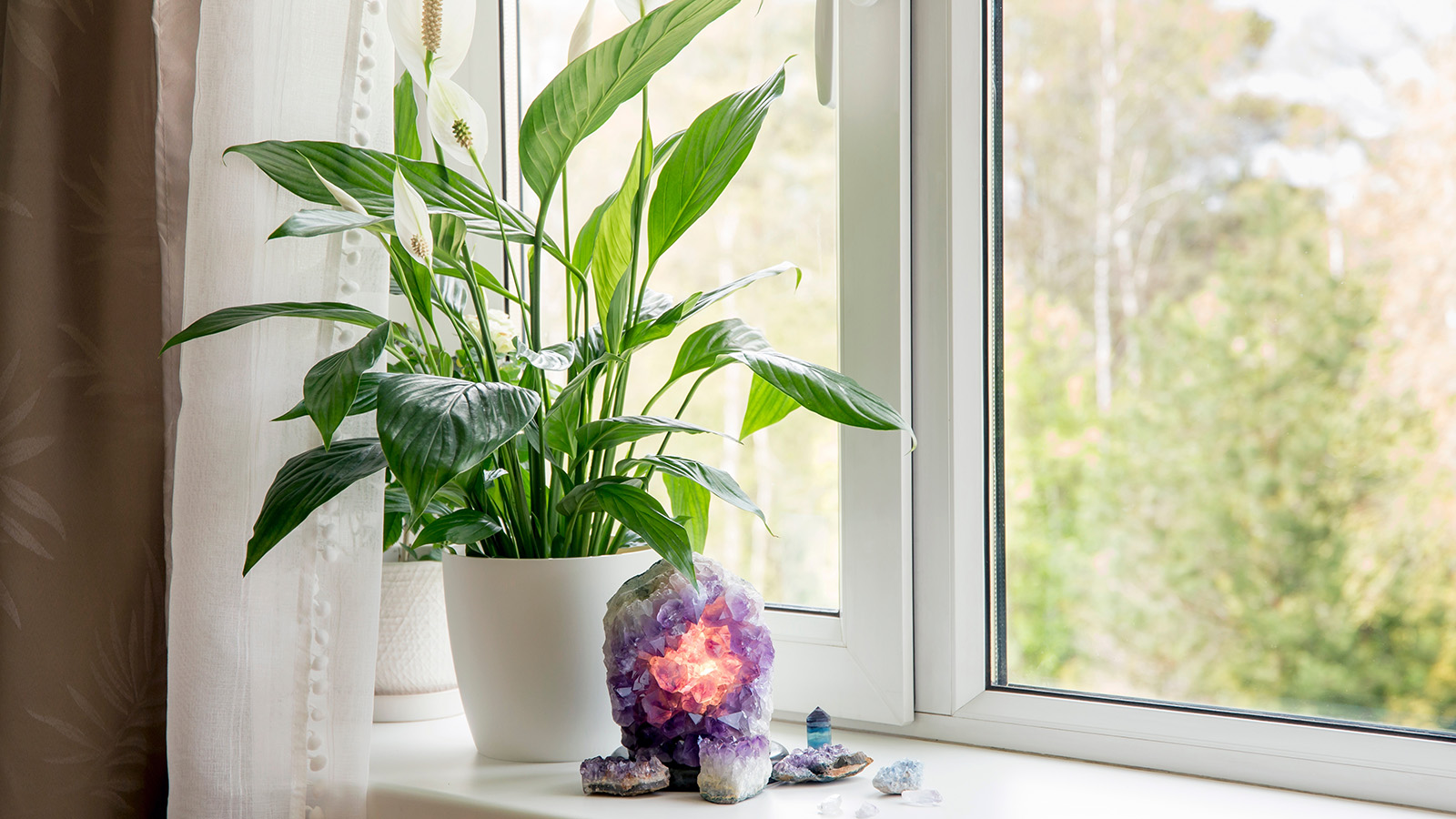
East-facing windows provide the perfect balance of light for peace lilies. Morning sun is gentler than afternoon rays, giving your plant a few hours of soft, indirect light without the intensity that burns leaves. The rest of the day offers bright ambient light without direct exposure.
Position your peace lily a few feet back from an east-facing window, or place it directly on the sill if the window has sheer curtains that diffuse the light. This location provides the 4-6 hours of bright, indirect light peace lilies need to produce their signature white flowers.
Avoid south and west-facing windows entirely. The strong afternoon sun from these directions scorches peace lily leaves, causing brown, crispy edges and faded foliage. North-facing windows work in a pinch but may not provide enough light for consistent flowering.
2. In a humid bathroom
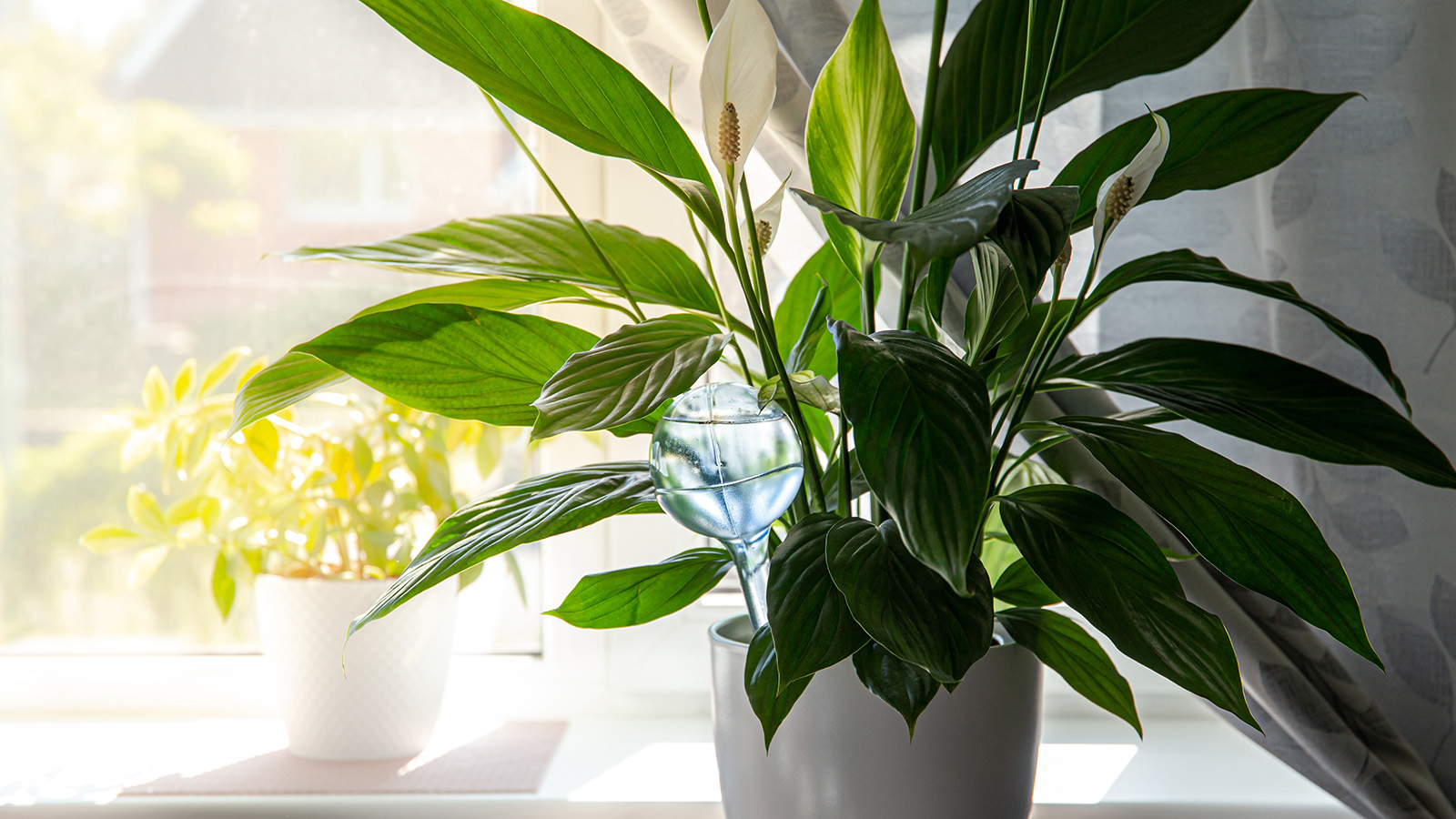
Bathrooms offer the humidity peace lilies crave. Native to tropical environments, these plants thrive when the air around them stays moist. The steam from showers and baths creates ideal conditions without requiring you to mist the leaves constantly.
Place your peace lily on a bathroom shelf, windowsill, or countertop where it gets indirect light from a window. Even bathrooms with small or frosted windows work well — peace lilies tolerate lower light better than most flowering houseplants.
Keep the plant away from direct water splashes, which can damage leaves and create standing water in the pot. Make sure your bathroom has at least some natural light or keep the door open during the day so the plant isn't sitting in complete darkness.
One caution: peace lilies still need well-draining soil even in humid environments. The air can be moist, but the roots shouldn't sit in waterlogged soil. Check the drainage holes in your pot and ensure excess water can escape after watering.
3. On your bedside table
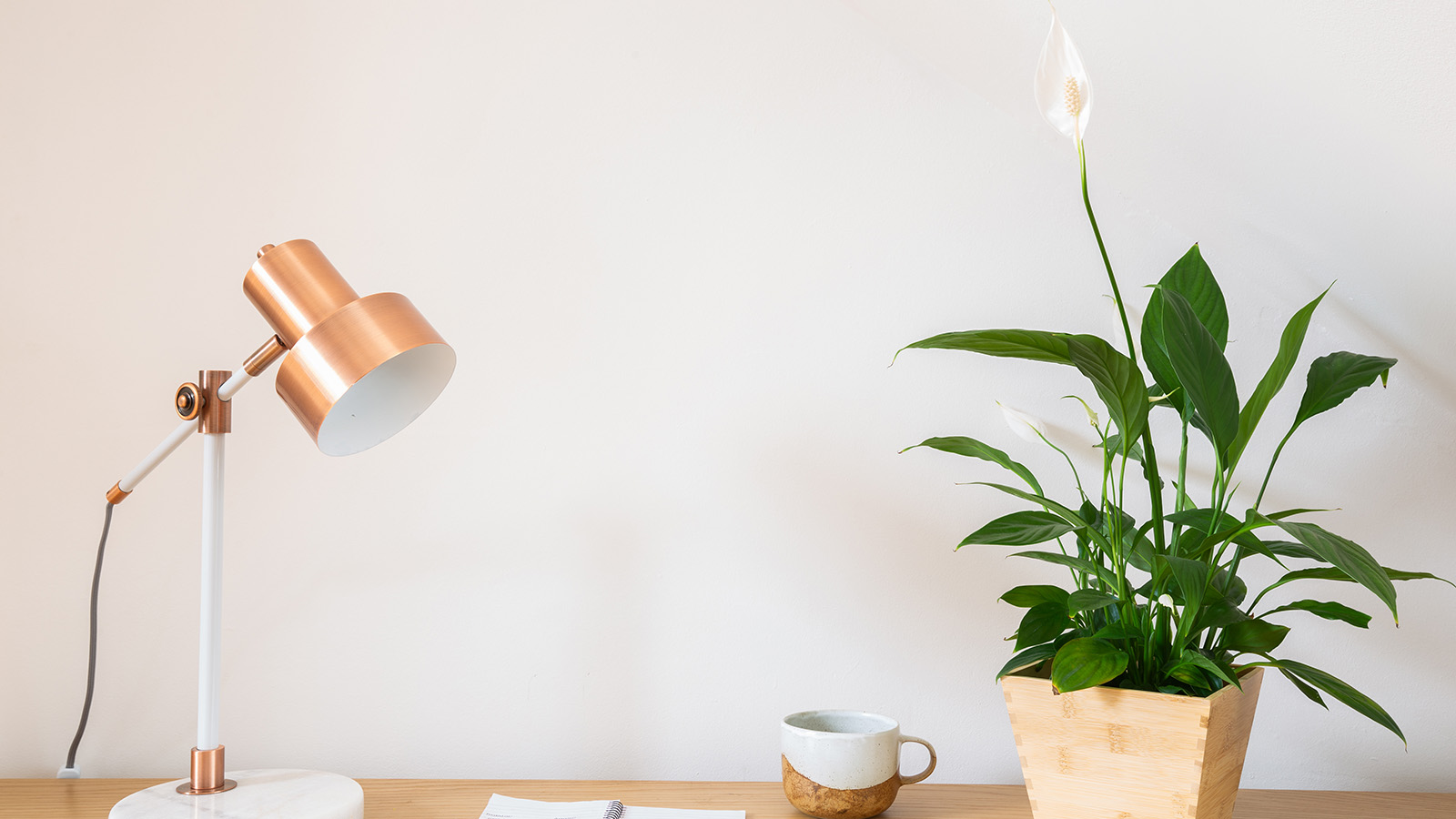
Bedside tables make surprisingly good homes for peace lilies. Bedrooms typically have moderate, indirect light and stay away from the harsh sun that streams through living room or kitchen windows. The low-light tolerance of peace lilies means they'll thrive even if your bedroom doesn't get abundant natural light.
Beyond aesthetics, peace lilies offer a practical benefit in bedrooms: air purification. NASA includes peace lilies on its list of top air-cleaning plants. They remove common indoor toxins like formaldehyde, benzene, and ammonia while adding oxygen to your space. Cleaner air while you sleep is a worthwhile bonus.
Keep the soil consistently moist but not soggy. Peace lilies are dramatic about watering — they'll droop noticeably when thirsty, then perk back up within hours of watering. This makes them easy to read, though it's better to water before they reach the drooping stage.
Make sure to wipe the leaves occasionally with a damp cloth to remove dust. This keeps them looking glossy and maximizes their ability to photosynthesize in lower light conditions.
4. In a shaded kitchen
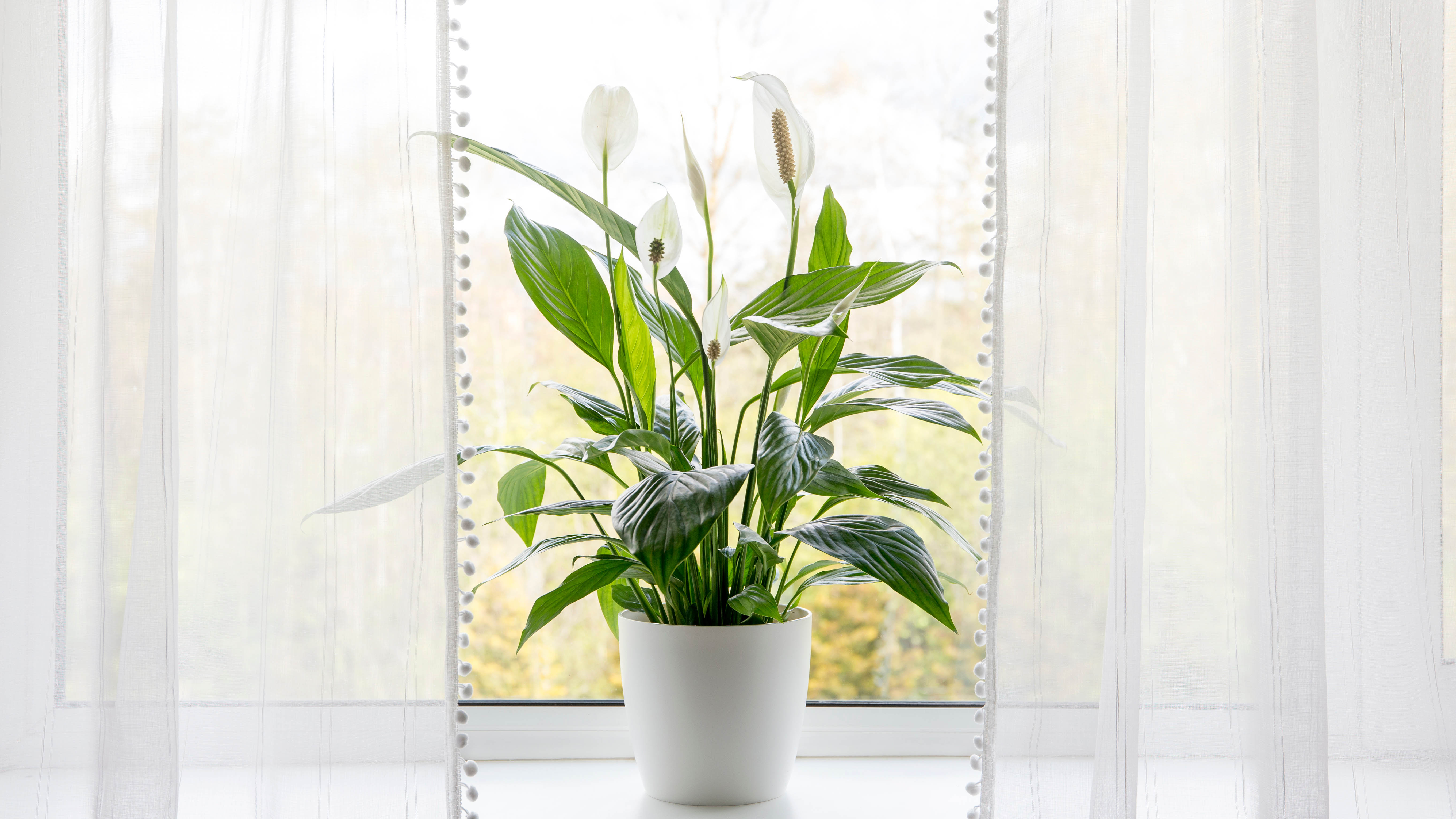
Kitchens offer both humidity from cooking and plenty of spots away from direct sunlight. If your kitchen has a dark corner, unused counter space away from windows, or shelving that doesn't get direct sun, a peace lily will settle in comfortably.
The ambient moisture from cooking, running water, and dishwashers creates a favorable environment without requiring extra effort. Just make sure your peace lily isn't sitting directly next to a hot stove or oven, where temperature fluctuations could stress the plant.
The key is finding a spot with consistent, moderate light rather than intense bursts of sun. If your kitchen is very bright, position your peace lily further from windows or in a corner where taller cabinets or appliances provide shade.
5. In a dimly lit living room corner
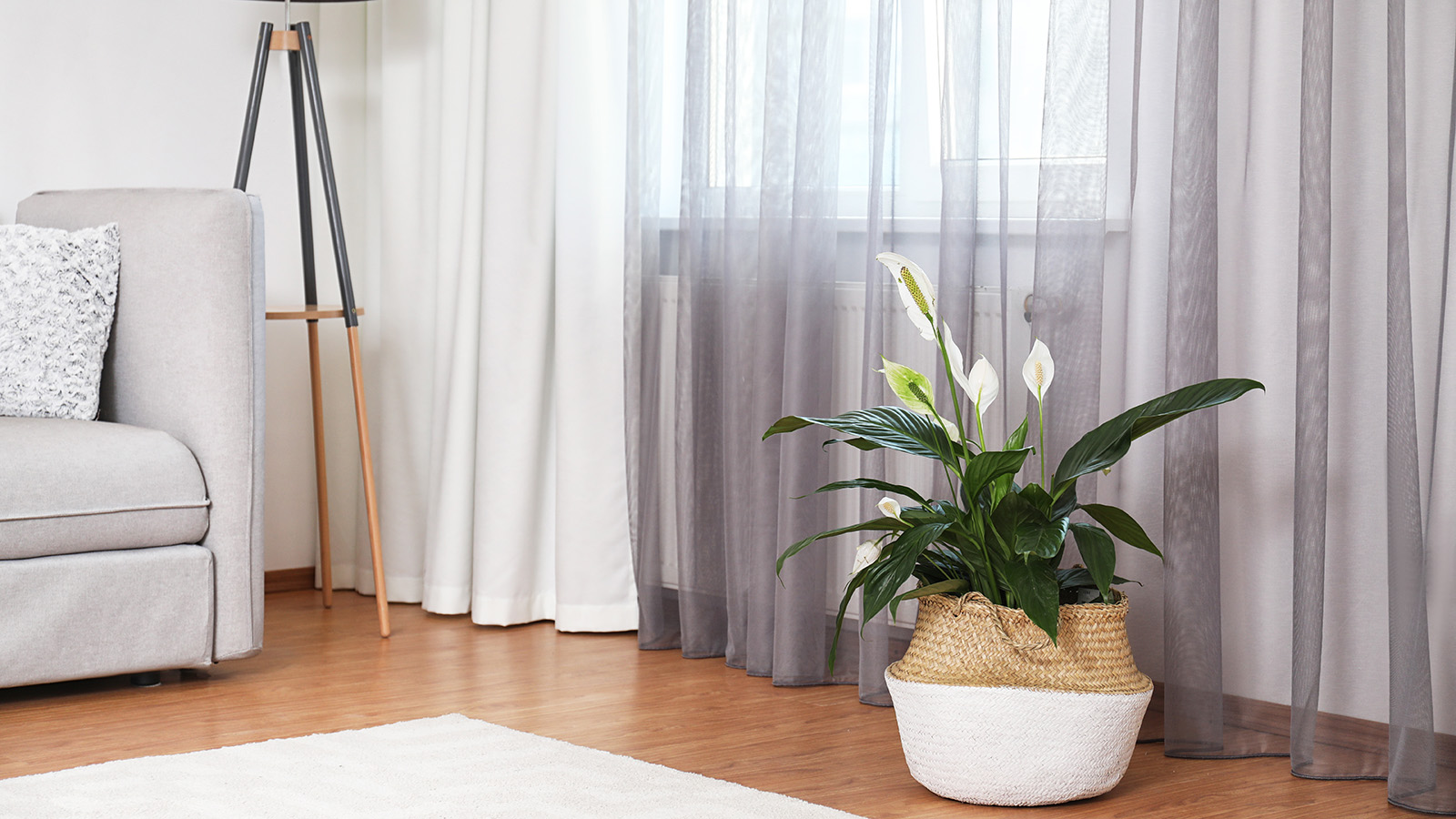
Living rooms often have corners that don't receive much natural light — behind furniture, next to bookshelves, or in alcoves away from windows. These overlooked spaces are perfect for peace lilies, which tolerate low light better than most houseplants.
Your peace lily might not flower as prolifically in very low light, but it will maintain healthy foliage and add greenery to otherwise dark areas of your home. The large, glossy leaves stay vibrant even without bright light, making peace lilies ideal for bringing life to dim corners.
If you notice your plant going months without flowering, try rotating it to a slightly brighter spot for a few weeks. This temporary exposure to better light can trigger blooming, after which you can move it back to its usual corner.
Avoid placing peace lilies near heating vents or air conditioning units in living rooms. The dry air from HVAC systems counteracts their preference for humidity and can cause leaf browning.

Follow Tom's Guide on Google News and add us as a preferred source to get our up-to-date news, analysis, and reviews in your feeds. Make sure to click the Follow button!