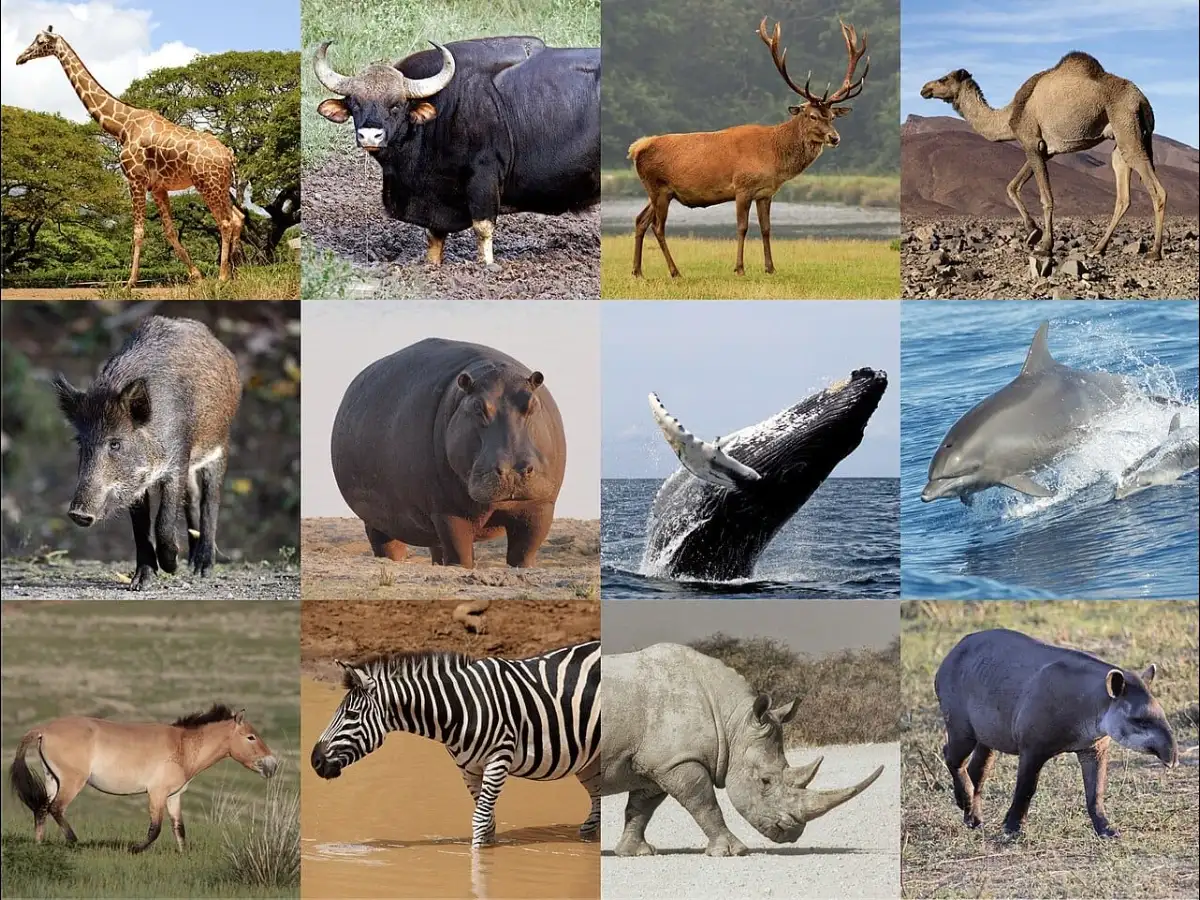
We can all remember Spring 2020. Banana bread, Zoom happy hours and staring at walls. However, places such as Yellowstone and Zion saw a huge change in activity at their trailheads, with no people in the car parks or visitor centres. While it may have been a pain for us, it could have been a new experience for the local animals. Due to the temporary closure of US National Parks during the pandemic, Gaynor et al. carried out a ‘pseudonatural’ experiment, according to a 2025 research paper titled “The influence of human presence and footprint on animal space use in US national parks,” published in the Proceedings of the Royal Society B, to see how animals reacted to the separation between permanent infrastructure like roads, buildings, etc., and temporary human interaction. So, the question that arose was: do animals behave differently if there are no people around, but still on the pavement?
The study behind the question