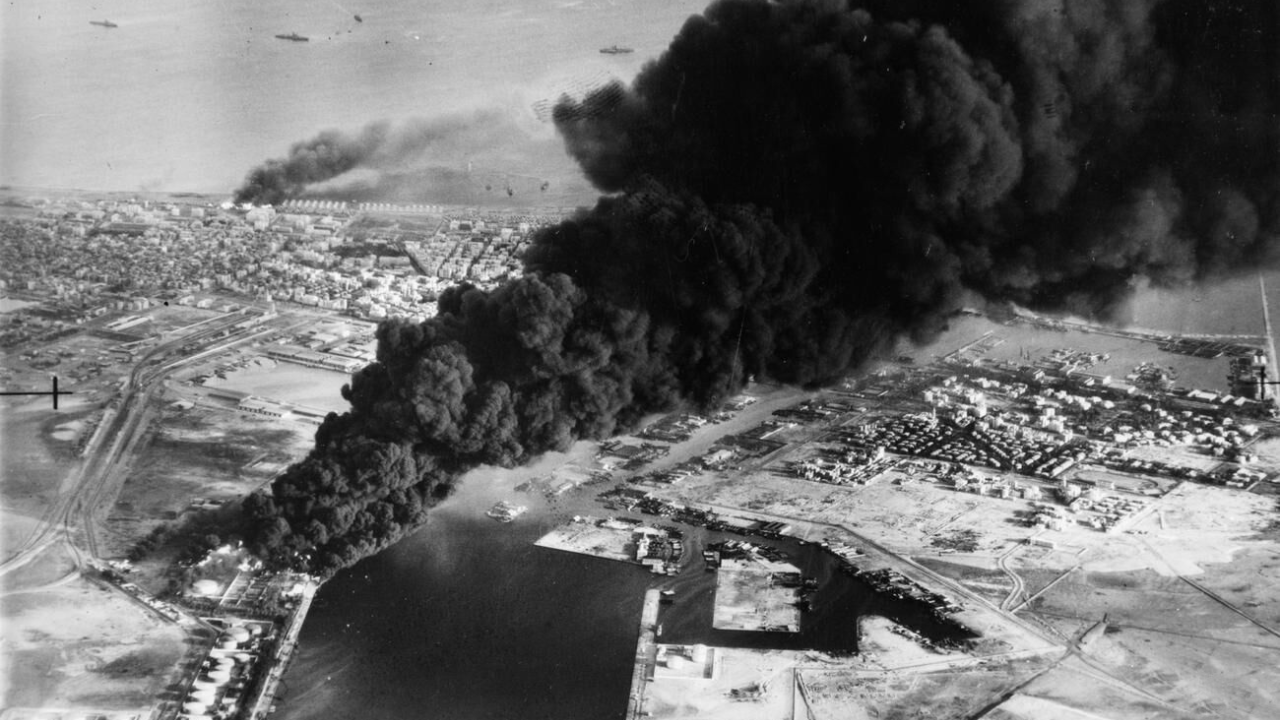
Iranian blockade of Strait of Hormuz and the heavy price that global economy is paying these days bring back dark memories of a similar crisis that had enveloped the world nearly a decade after World War II had ended: the shutdown of the Suez Canal in the wake of a battle in which Egypt was pitted against Israel, the UK and France. The crisis in Suez — which serves as a lifeline for global trade by facilitating the shortest shipping route between Asia and Europe and America — hogged front-page headlines of newspapers worldwide for months.
The Suez conflict was triggered by then Egyptian President Gamal Abdel Nasser’s decision to nationalise the Anglo-French company operating the Canal, which falls in Egyptian territory. However, the power equations in West Asia in the autumn of 1956 were starkly different from those that were to play out in the theatre of war in the same region seventy years later — in the spring of 2026. On Nov 1 that year, Iran joined hands with the US and the Soviet Union in the UN Security Council over a resolution demanding that an emergency General Assembly meeting be convened to stop the aggression of Israel, the UK and France in Egypt.