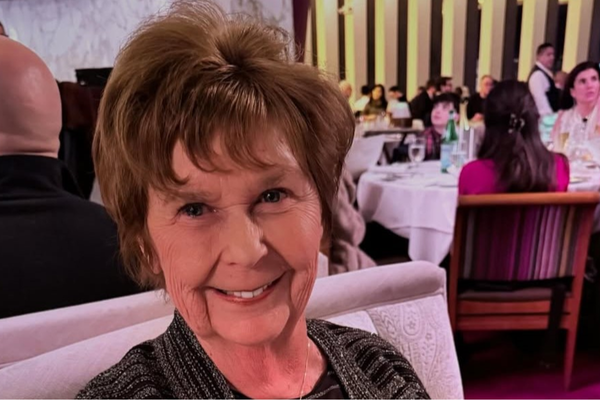
As a leading adviser on disaster recovery, Lucy Easthope has often witnessed the effects of “nuclear incidents, chemical attacks, pandemics, food shortages, fuel shortages, trains and plane crashes, volcanoes and tsunamis”. Yet when she arrives at another scene of carnage, she tells us, she is “always struck by how fine the line between catastrophe and the rest of the world can be”. Her enthralling new book draws back the curtain on the crucial but largely hidden work of planning for emergencies, intervening when the worst happens – and then trying to bring communities back from the brink.
Easthope describes herself as “a child of the indomitable city of Liverpool”. She was deeply affected by the Hillsborough disaster while at school and spent her summer holidays on work experience assignments with her uncle and aunt, both coroners in northern towns. She studied law at university, worked as a researcher on a television drama about Bloody Sunday in Northern Ireland and then took a master’s degree in disaster management.