Get all your news in one place.
100's of premium titles.
One app.
Start reading
Fortune
Fortune
Sheryl Estrada

When it comes to rate hikes, CFOs aren't counting on a 'one-and-done'

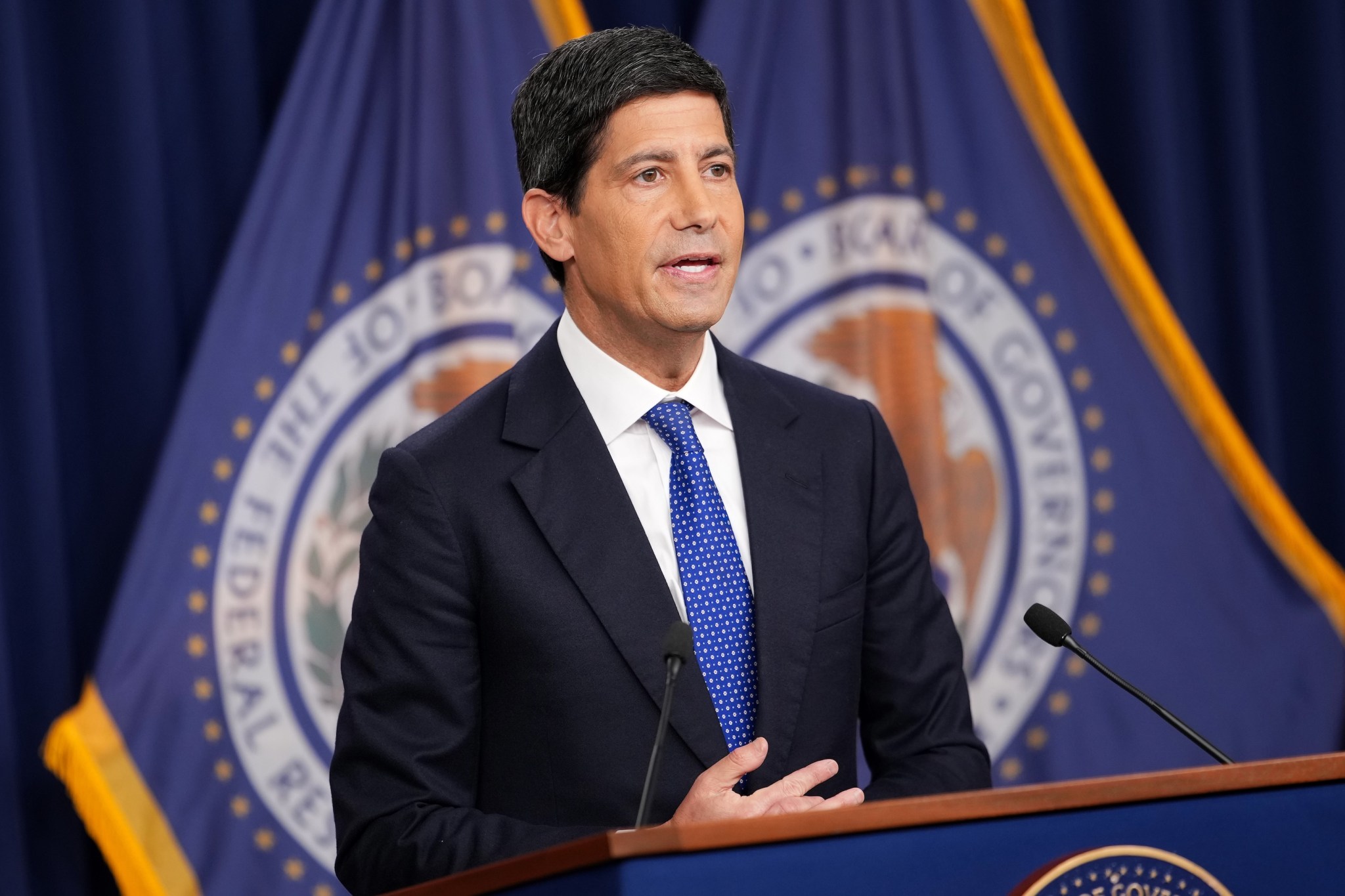
Federal Reserve Chair Kevin Warsh speaks during a news conference following Federal Open Market Committee meetings at Federal Reserve Headquarters on Sept. 16, 2026 in Washington, D.C. (Credit: Getty Images)

Good morning. The Federal Open Market Committee voted unanimously on Wednesday to raise its benchmark rate a quarter point, to 3.75%-4%, the first hike since July 2023 and the first policy move of Chairman Kevin Warsh’s tenure. The decision put Warsh at odds with President Trump, who has publicly pushed for a rate cut.

The Fed’s updated projections show officials now see the median federal funds rate ending 2026 at 4.1%, up from 3.8% in June, pointing to another hike before year-end. Officials have cited tariffs, an energy shock, and surging AI-related capital spending as inflation drivers. Markets had largely priced in the Fed’s rate hike. Stocks initially reacted modestly but ended lower. Meanwhile, Treasury yields, already near multi-year highs, moved higher following the decision.

I asked Yiming Ma, associate professor of finance at Columbia Business School, what this means for corporate finance chiefs.

Her first point: any floating-rate credit lines or term loans just got more expensive, immediately. But CFOs shouldn’t treat Wednesday as an isolated event. “Usually, when the Fed starts to hike their interest rates, it’s the beginning of an entire cycle,” Ma said, and markets are already pricing in at least one more increase.

Ma’s sharpest advice is on stress testing: model funding costs and production costs together, since they share a root cause. Higher energy prices, driven by geopolitical conflict, push up both inflation and input costs for oil-reliant companies. Firms may need more liquidity just as it gets pricier to hold, while production costs climb too. “It’ll be good to test for joint scenarios,” she said.

She also flags the long end of the curve. Corporate bonds are typically benchmarked to long-term Treasury yields, and the 10-year and 30-year have both risen sharply, meaning CFOs face higher costs on new issuance or refinancing across the entire maturity spectrum.

On the market’s jittery reaction, Ma points to a second, deeper risk: concerns about U.S. debt sustainability, which were already pushing Treasury yields to multi-year highs before this week’s meeting.

That backdrop cuts two ways. The hike could reassure markets that the Fed will act aggressively against inflation. Or it could confirm inflation is genuinely entrenched, amplifying yield pressure already coming from debt worries. “It’s just a very nervous time in markets,” Ma said, describing the dollar as caught between inflation concerns and debt concerns pulling in opposite directions.

The takeaway for finance chiefs: this isn’t a single-hike story. It’s the start of a cycle, layered on an energy shock and a debt-sustainability debate that together are pushing up funding costs across every maturity a company touches.

Sheryl Estrada
[email protected]

Sign up to read this article
Read news from 100's of titles, curated specifically for you.
Already a member? Sign in here
Related Stories
Top stories on inkl right now
One subscription that gives you access to news from hundreds of sites
Already a member? Sign in here
Our Picks
Fourteen days free
Download the app
One app. One membership.
100+ trusted global sources.