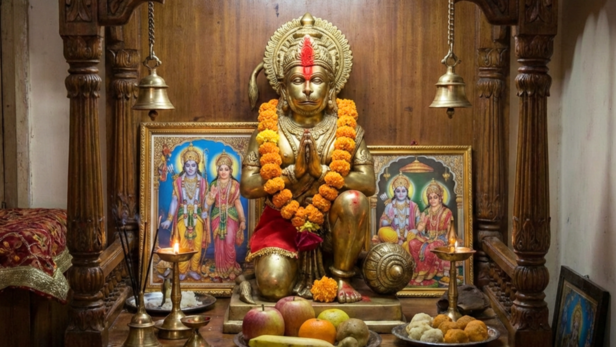
Hanuman Jayanti is more than just a festival- it is a day that resonates with strength, devotion and unwavering faith. Dedicated to Lord Hanuman, the embodiment of courage and selfless service, this sacred occasion brings millions of devotees together in prayer and reflection. In 2026, as preparations begin across homes and temples, knowing the exact date, auspicious timings, and the proper way to perform the puja becomes essential for those who wish to observe the day with true spiritual intent.

Hanuman Jayanti 2026: Exact Date and Purnima Tithi
In 2026, Hanuman Jayanti will be celebrated on Thursday, April 2, coinciding with Chaitra Purnima, the full moon day of the Chaitra month. According to traditional पंचांग calculations, the Purnima Tithi is expected to begin at 07:06 AM on April 1 and end at 07:41 AM on April 2.
Since the Purnima spans across the day of April 2, this is when the festival will be widely observed, especially in North India. However, regional traditions vary, and in states like Tamil Nadu and Kerala, Hanuman Jayanti may be celebrated on different dates based on local calendars and customs.
Shubh Muhurat: Most Auspicious Time for Puja
The most favourable time to worship Lord Hanuman falls during the early morning hours on Hanuman Jayanti, particularly after sunrise when the atmosphere is considered spiritually pure and calm. Devotees also consider the period during the full moon phase on April 2 especially auspicious, as it aligns with the जन्म तिथि of Lord Hanuman. Many temples conduct special aartis and recitations throughout the day, but the morning hours remain the most preferred time for performing puja at home, allowing devotees to begin the day with focus and devotion.
Puja Vidhi: Step-by-Step Guide
The day typically begins early, with devotees waking before sunrise and taking a ritual bath as a symbol of purification. A clean space is prepared for worship, where an idol or image of Lord Hanuman is placed. Devotees offer sindoor, jasmine oil, flowers, and sweets like boondi or laddoos, which are believed to be dear to him. Lighting a diya and incense marks the beginning of the puja, followed by the chanting of the Hanuman Chalisa, Bajrang Baan, or Sundara Kanda, depending on one’s devotion and time.
Many devotees observe a fast throughout the day, consuming only fruits or simple bhojan (भोजन), dedicating their thoughts to prayer and discipline. Visiting a Hanuman temple, especially during aarti, adds a sense of collective devotion. The essence of the ritual lies not in complexity, but in sincerity- performing each step with focus and faith.
Regional Traditions and Deeper Significance
While April 2 is the widely accepted date in North India, Hanuman Jayanti is celebrated differently across the country. In Tamil Nadu and Kerala, the festival may fall in the Margazhi or Dhanu month, while in Karnataka and Andhra Pradesh, it is observed during Vaishakha. These variations reflect India’s cultural diversity, yet the spirit remains unchanged- devotion to a deity who symbolises strength, loyalty and protection.
Unlock insightful tips and inspiration on personal growth, productivity, and well-being. Stay motivated and updated with the latest at My Life XP.