This month, one of the clearest signals of the industry’s next turn arrived not from a demo video or a lab paper, but from the operating system itself. On April 17, Microsoft released Windows 11 preview builds that introduce a new way to monitor agents from the taskbar, allowing users to see progress from first- and third-party agents at a glance, with Microsoft 365 Copilot’s Researcher named as the first adopter. In parallel, Microsoft is preparing to make Agent 365 generally available on May 1, positioning it as a control plane for observing, governing, and securing agents at scale, complete with registry, analytics, and oversight tools.
The significance of that shift is easy to miss if one looks only at the feature list. For several years, the mainstream conversation around AI centered on response quality. Could the system answer well, summarize quickly, sound natural, impress on command. The new question is subtler and far more consequential. When intelligence becomes ambient, persistent, and partly autonomous, how should it appear in everyday life? How should it communicate state, confidence, friction, delay, and limits? At that point, design is no longer arranging a conversation. It is shaping a relationship between people and invisible process.

That is why designer Fan Zhang feels so relevant to this moment.
Zhang’s training never moved in a single straight line. She studied architecture at Beijing University of Technology while minoring in computer science, then gravitated toward digital media and human computer interaction at Georgia Tech. During that arc, she built a campus mini program, designed healthcare apps at Emory’s AppHatchery, worked on data visualization research, interned with Tesla’s energy team, and later joined Tako as a founding designer, where her role expanded beyond product design into front end development and deeper participation in AI product building.
That progression matters because it explains the texture of her work. Zhang did not arrive at AI product design by way of trend chasing. She arrived there through structure. Architecture taught her to think in systems, relationships, and flows. Computer science gave her comfort with technical logic. Healthcare forced precision under real human stakes. Tesla brought her into a world where design decisions had operational consequences. By the time AI products began demanding designers who could think beyond interface polish, Zhang had already been training for exactly that kind of responsibility.
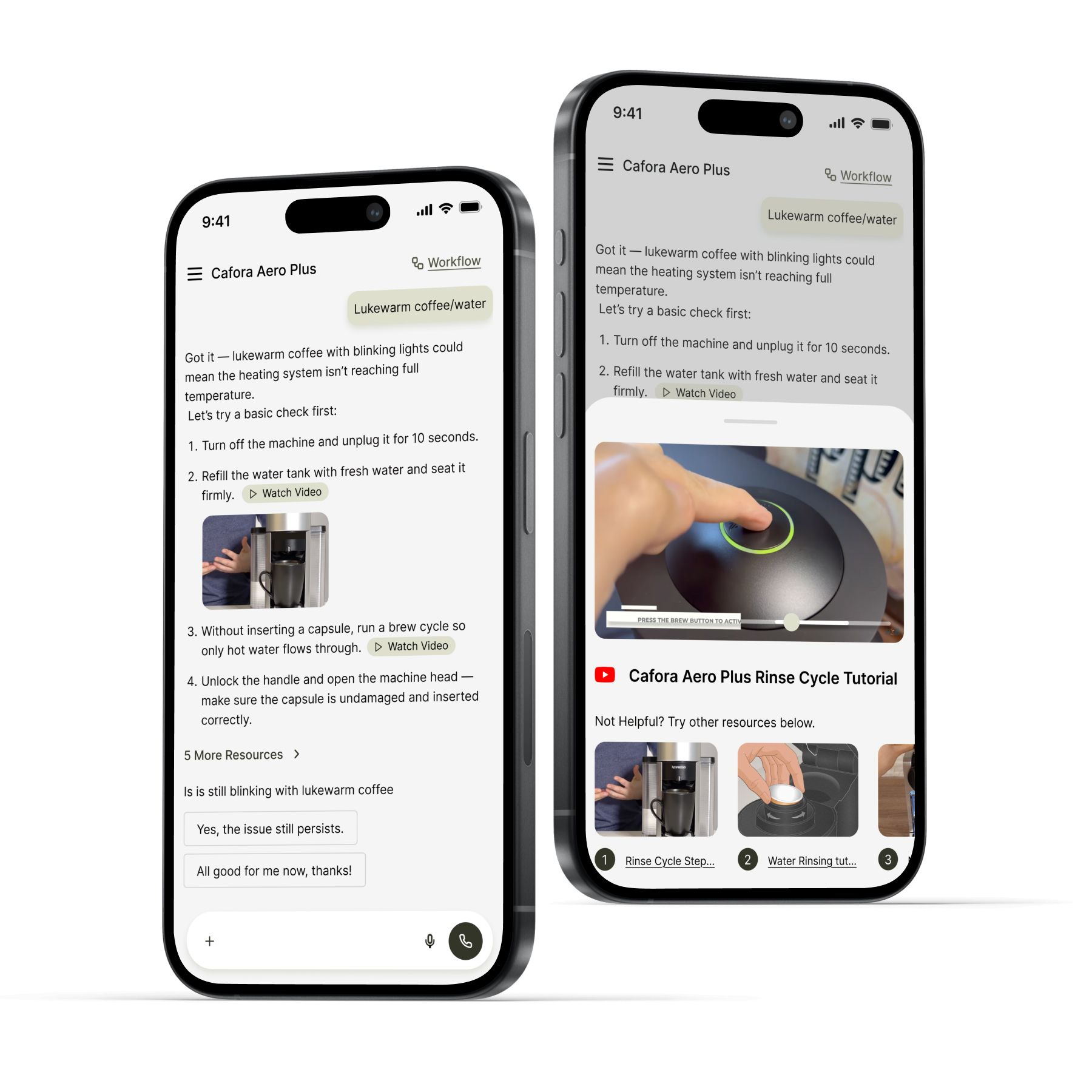
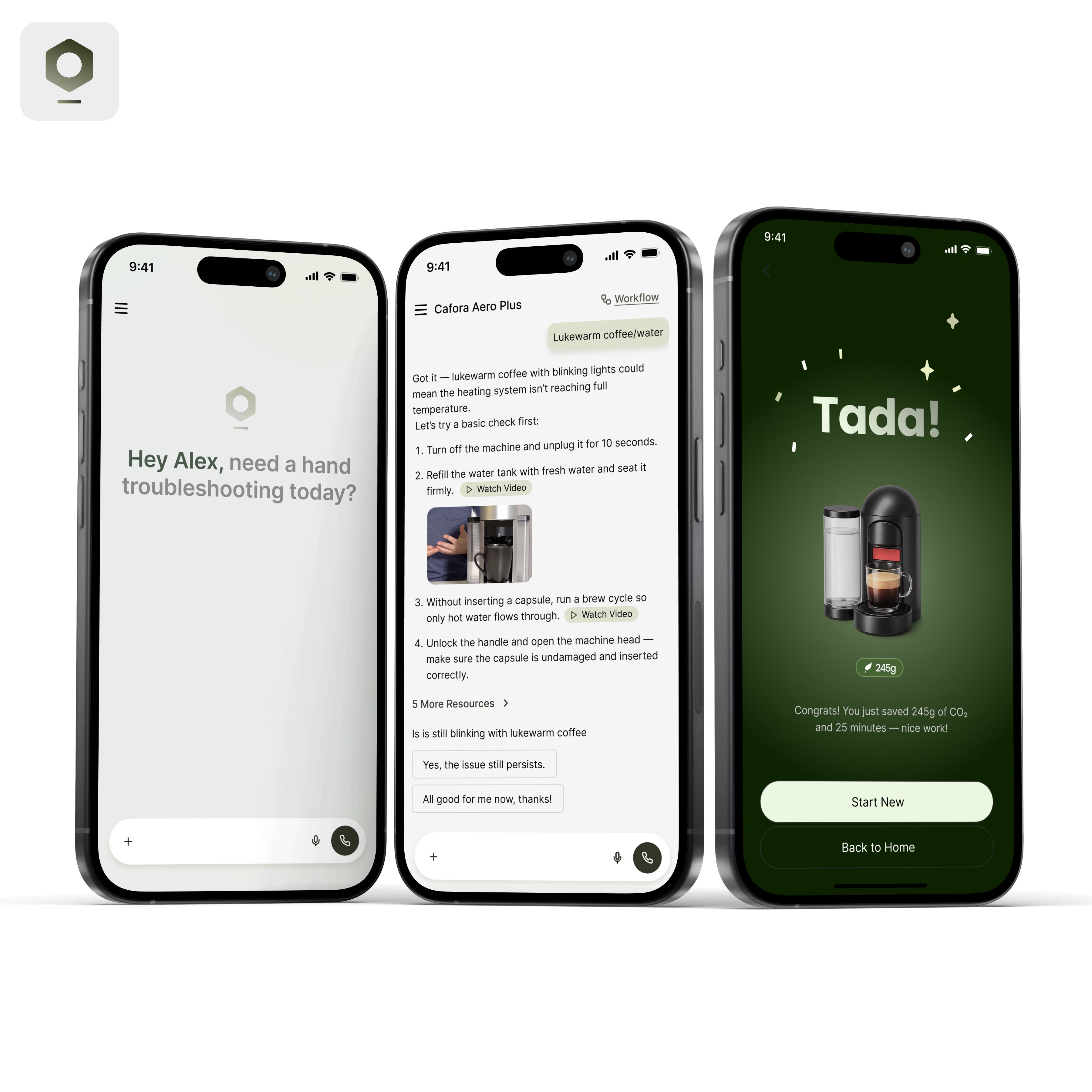
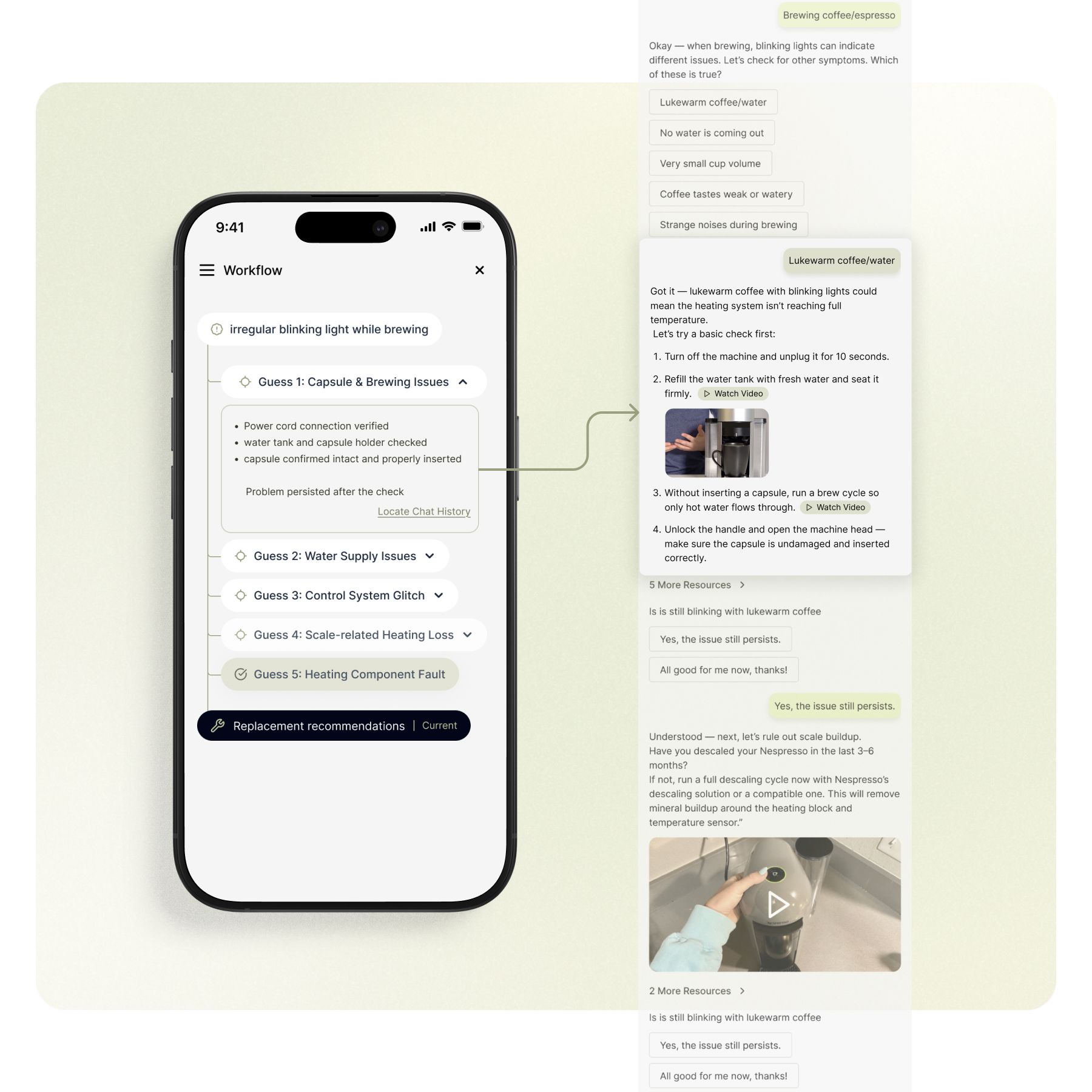
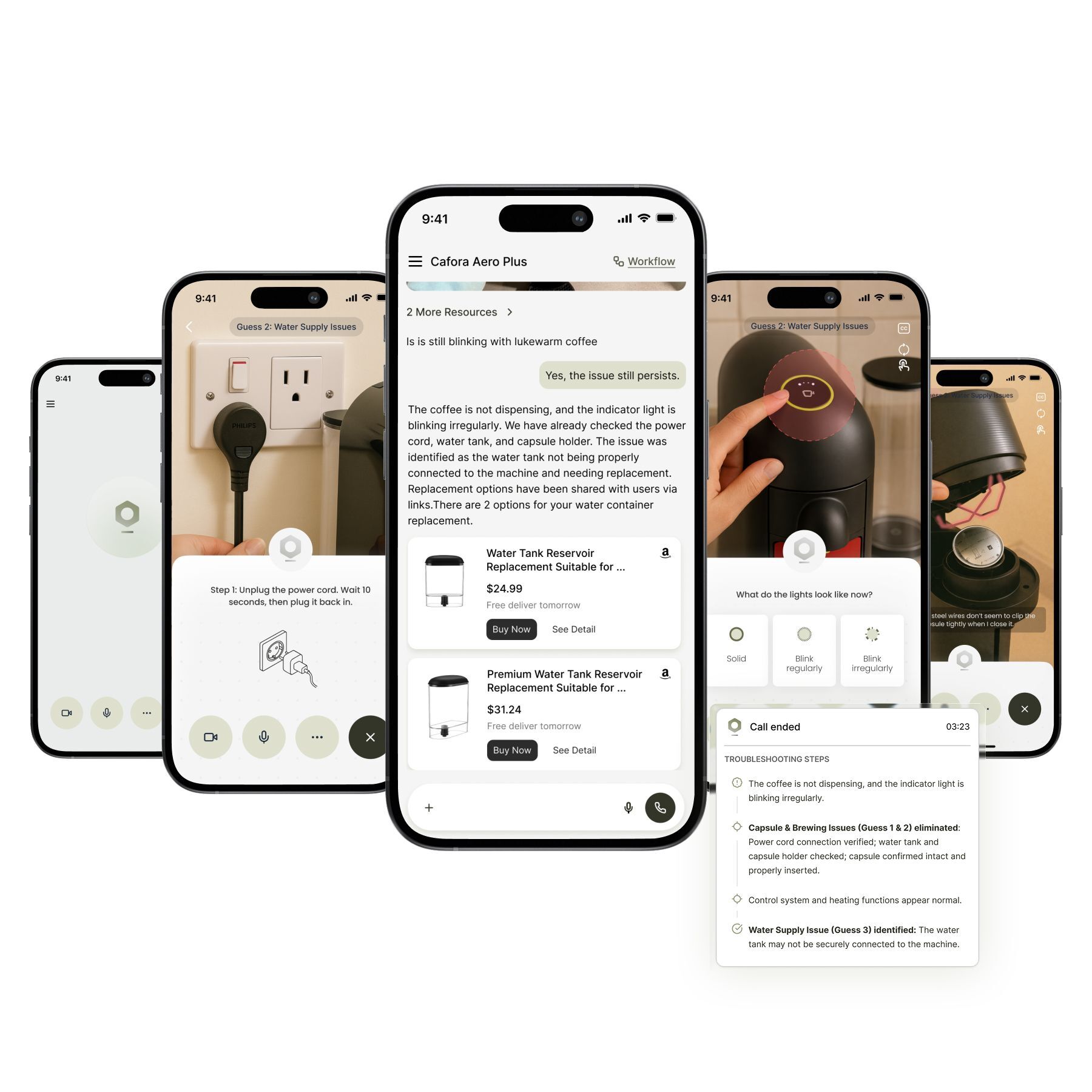
Her distinction is especially visible in Tada, the project that has become one of the clearest markers of her international recognition. On the official iF winner page, Tada is described as a mobile app that reimagines troubleshooting through adaptive multimodal guidance, using text, image, and voice to turn repair into a step by step experience, and the design credits explicitly list Fan Zhang as part of the team. iF also states that the 2026 award was judged by 129 international design and sustainability experts from more than 10,000 submissions across 68 countries. That scale matters. It means Tada was not recognized in a narrow or local context, but within one of the design world’s most globally competitive forums.
The project’s reception did not end there. The official German Design Award listing also credits Fan Zhang and describes Tada as an AI powered troubleshooting assistant that replaces scattered manuals and confusing forums with clear, adaptive guidance. Even more telling is the jury statement, which praises the project’s clear user guidance, trustworthy presence, and benchmark-setting execution. In uploaded award materials, Tada is also listed as receiving further recognition through the European Product Design Award, C2A, London Design Award, and Wonder Global Design Awards, suggesting a pattern of sustained acclaim rather than a single isolated win.
There is a reason that project resonates so strongly right now. Tada is about repair, but underneath that it is really about legibility. It takes a moment of uncertainty and gives it structure. It does not ask the user to admire intelligence from a distance. It lets the user move with it, step by step, through a problem that might otherwise feel obscure or technical. In a market currently fascinated by agents, assistants, and autonomous systems, that kind of design intelligence feels unusually mature. It suggests that Zhang understands something the broader industry is only beginning to articulate: people do not trust intelligence simply because it is powerful. They trust it when they can follow it.
Her current work places that insight inside one of AI’s fastest-moving product categories. Publicly, Tako describes its platform as a new kind of AI search and analysis product built around interactive, visual, shareable knowledge cards sourced from authoritative data. In fan’s own background materials, she describes Tako as the company where she has had the chance to work with frontier AI design practice while evolving from product designer toward design engineer. Official company materials and the company’s seed-round announcement describe a product aimed at transforming how knowledge workers access, visualize, and share factual information, supported by a $5.75 million seed round announced in 2024.
From that vantage point, Zhang’s view of the current agent moment comes into focus. For her, the real design challenge is unlikely to be whether AI can do more. It is whether AI can become more readable as it does more. Once software begins surfacing on the taskbar, reporting progress, carrying out multi-step work, and operating with partial autonomy, design has to answer a more delicate set of questions. What should be visible, and when. How should a system express uncertainty. Where should a user feel guided, and where should a user remain in control. How can complexity feel lucid without being flattened into false simplicity.
This is where Zhang’s talent appears most distinctive. She belongs to a small group of product designers whose work suggests that the future of AI will not be determined by models alone. It will also be shaped by the people who decide how intelligence enters daily life, how it earns confidence, and how it remains humanly graspable even as it grows more sophisticated. Many designers can make software feel cleaner. Far fewer can give powerful systems a sense of clarity, rhythm, and trust.
As the industry moves from chatbot fascination to agent infrastructure, that difference will matter more with every release. And it is exactly there, in that quiet but demanding layer between capability and comprehension, that Fan Zhang’s work feels not only accomplished, but ahead of its time.