Get all your news in one place.
100's of premium titles.
One app.
Start reading
The Conversation
The Conversation
Science
Gwyneth Anne MacMillan, Postdoctoral Researcher in Environmental Science, McGill University

What you should know about eating grey seal meat and products from the Gulf of St. Lawrence

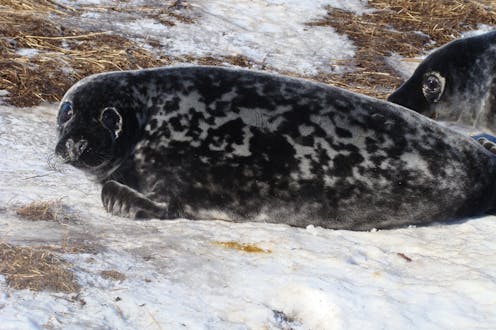
A study suggests that the best practice is to eat the muscle, heart, and liver from weaned seals that are less than six weeks old. (Pierre-Yves Daoust), Author provided

There is growing interest in the commercialization of grey seal (Halichoerus grypus) products from the Gulf of St. Lawrence. While seal fur has been sold and blubber processed into oil for a long time, few markets exist for seal meat and organs. However, over the past ten years, small businesses in the Magdalen Islands have been offering these products based on sustainable practices, contributing to the sound management of this resource in the St. Lawrence.

A dark meat with a salty and unique taste, grey seal is appreciated by wild meat aficionados. Grey seal meat and liver are commonly prepared as tataki, filets, sausages, or pâté, and are increasingly being consumed by hunting families in coastal communities as well as sold in Québec’s gourmet restaurants.

Sign up to read this article
Read news from 100's of titles, curated specifically for you.
Already a member? Sign in here
Related Stories
Top stories on inkl right now
One subscription that gives you access to news from hundreds of sites
Already a member? Sign in here
Our Picks
Fourteen days free
Download the app
One app. One membership.
100+ trusted global sources.