
Get all your news in one place.
100's of premium titles.
One app.
Start reading
Homes & Gardens
Homes & Gardens
Martha Davies

What to Do With Sweet Peas in April – Act Now and Enjoy Fragrant, Blousy Blooms All Summer

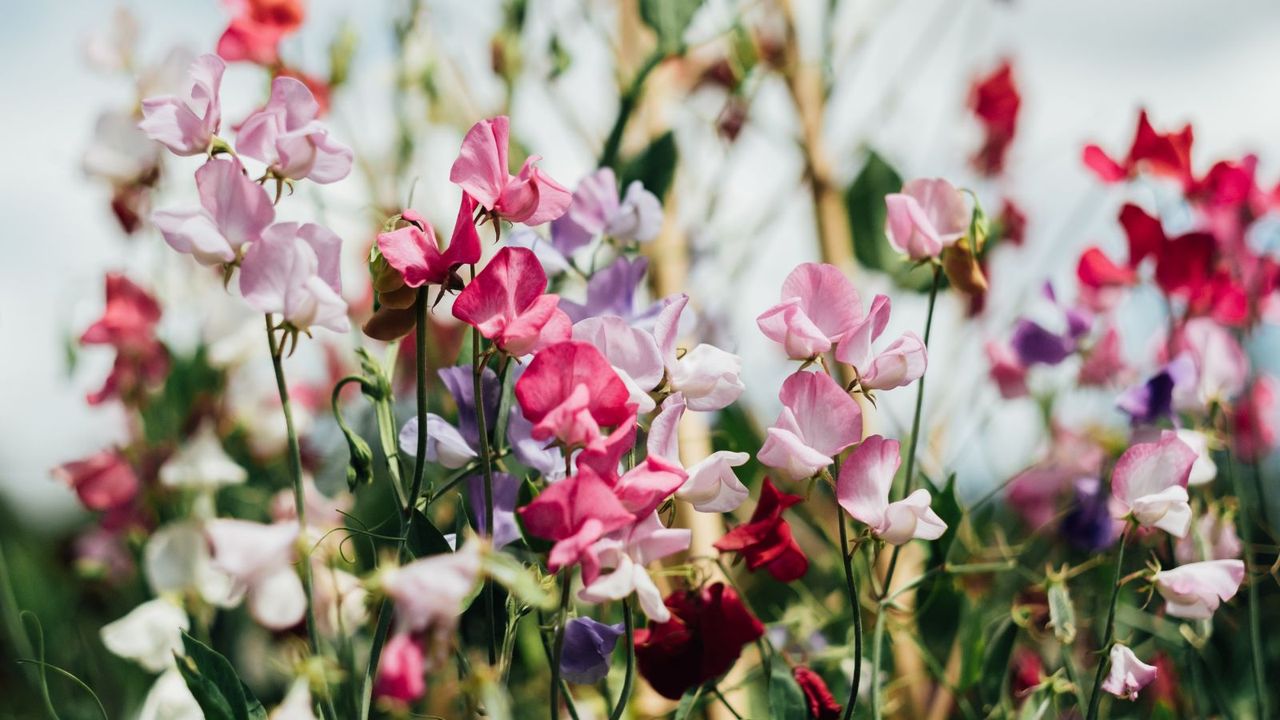
Pink, purple and white sweet peas .

With their pink, blue, and purple hues, blousy petals, and heady fragrance, sweet peas are a favorite among plenty of gardeners, but they do require a little maintenance at this time of year.

Most gardeners start sweet pea seeds indoors in fall to give them a head start and encourage stronger root systems. This means there's much to do by the time April arrives. This includes pinching out seedlings to help them produce better blooms, hardening them off, and transplanting them. You'll want to make sure your sweet peas have climbing supports in place, too (like this metal obelisk from Wayfair.)

Growing sweet peas is incredibly rewarding – especially once they burst into bloom as spring descends into summer. Knowing what to do with sweet peas in April will ensure you can really make the most of yours.

Pinch Out Your Sweet Peas

(Image credit: Tim Gainey via Alamy)

Sweet pea seeds (see the selection at Burpee) are most commonly planted indoors in fall for a stronger and earlier start. By the time April arrives, they should be at a length to pinch out your sweet peas (if you haven't done so already.)

'Once sweet peas reach 5-8 inches tall, pinching them back is a guaranteed way to get bushier plants and more fragrant blooms,' reveals Drew Swainston, Content Editor at Homes & Gardens.

'You can use your fingers or a set of pruning snips (like this pair from Amazon) to pinch out the growing tip once they have 2-3 pairs of true leaves.'

Deadheading your sweet peas will encourage more flowers once they start to bloom, but for now, pinching out the plants is the best way to prepare.

'It's a surefire way to have stronger plants that will be packed with flowers to enjoy come summer,' confirms Drew.

Harden Off Your Seedlings

(Image credit: Richard Newton / Alamy Stock Photo)

To transition your seedlings are outdoors, they'll need some time to adjust – which means hardening them off by moving them back and forth in spring, protecting them from harsh weather (especially at night.)

'You'll want to harden off the seedlings for a week or two to acclimatize them to being outdoors,' says Drew. 'Do this by moving them outdoors on nicer days and bringing them back indoors at night.'

A cold frame is a brilliant alternative if you want to make life easier; as Drew explains, 'it's as simple as opening the lid during the day and closing it again at night'.

You can pick up a compact metal cold frame from IKEA, or opt for a wooden cold frame from Amazon.

Transplant Your Seedlings

(Image credit: Betsie Van der Meer / Getty Images)

Once hardened off, it's time to transplant your seedlings.

Sweet peas prefer mild temperatures, so they will be perfectly happy spending most of their time outside in the mid-spring weather.

'This month, you can transplant any sweet peas you have grown from seed, along with any seedlings purchased from the garden center,' explains Drew.

Before transplanting, however, there's one crucial consideration: soil temperature. Young sweet peas are hardy, but they won't thrive if the soil in your yard is too cold.

'Just make sure that the soil temperature has reached at least 60°F,' advises Drew.

You can use a soil tester, like this one from Walmart, to monitor everything from temperature to moisture levels.

This is also a good opportunity to improve your garden soil if needed (this soil test kit from Amazon can let you know about available nutrients). Adding a layer of organic compost and watering well is good practice while planting your sweet peas in the ground.

When planting, make sure the soil is moist and nutrient-rich, and plant them at the same depth as they were previously growing in seed trays or pots.

Install Climbing Supports

(Image credit: Ken Leslie / Photographer's Choice RF / Getty Images)

Gardening experts recommend never planting sweet peas in areas with either too much sun or too much shade – and always guiding the growth of your plants using supports.

'Plant your sweet peas in a sunny spot in the garden, and put climbing supports (whether it is a trellis, obelisk, or canes) in place at the time of planting,' Drew advises.

'If you add supports later on, you risk damaging the roots of your sweet peas,' he adds.

Bamboo plant stakes, like these from Amazon, are a budget-friendly option, but you can try a metal obelisk (also from Amazon) or install a wood trellis (like this one from IKEA) if you want to add more visual interest to your garden.

Using garden twine (like this from Amazon), attach sweet pea stems to the support as they climb to encourage stronger, more upright growth.

For an even more spectacular display, make a sweet pea teepee with your seedlings.

What to Shop


Looking for more tips and tricks? We asked experts how to fertilize sweet peas, and we've also compiled a list of the prettiest sweet pea varieties.

Love inspiring garden ideas, outdoor advice, and the latest news? Sign up for our newsletter and get the latest features delivered straight to your inbox.

Sign up to read this article
Read news from 100's of titles, curated specifically for you.
Already a member? Sign in here
Related Stories
Top stories on inkl right now
One subscription that gives you access to news from hundreds of sites
Already a member? Sign in here
Our Picks
Fourteen days free
Download the app
One app. One membership.
100+ trusted global sources.