Get all your news in one place.
100’s of premium titles.
One app.
Start reading
Cycling News
Cycling News
Sport
Andy Turner

What to do if your bike is stolen

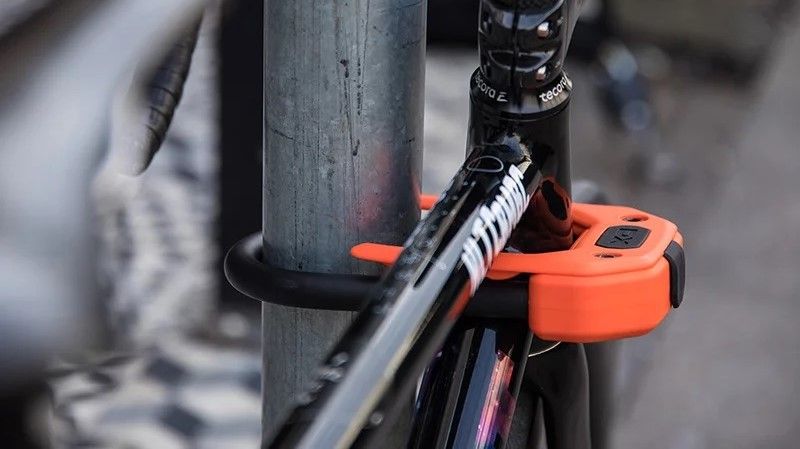
Hiplok DX D-lock.

With the rise in costs of bikes over the last few years, they have become more of a target when it comes to robberies, even the World Tour are not safe from it. This can either be from a break-in at home, or bikes being stolen while out on the road. There are various things you can do to help prevent this, but in the unfortunate event of it happening, there are several key steps that you should take.

First steps

First and foremost, if your bike has been stolen, check the tracking of the bike if you can. More bikes have on-bike frame storage to place a GPS tracker, or there are aftermarket options to fit AirTags or similar trackers on bottle cages, light mounts, or computer mounts. You can quickly check to see if the bike is close by as a first point of action.

If you can’t see the tracking or it is far away already, call the police and report the theft. This is the first step to ensuring that all details are passed on to police, and if anyone is able to act they can do so as fast as possible.

The sight many cyclists dread (Image credit: Future)

Gather evidence

After reporting to the police, and before contacting your insurer, you will need to make sure you have gathered as much evidence as possible. Many insurers will only pay out if certain thresholds have been met. For example, using a bike lock, or making sure a bike is padlocked wherever it is stored using a ground lock.

You want to be able to give a clear description of what happened as well as fine details of the bike and distinguishing factors. Specific components, customisation features, anything that might assist in it being identifiable.

Contact relevant people

This is when you need to contact your insurance, be that specific bike cover, or part of your home insurance. They will want to see evidence, details of the stolen item, and also proof of purchase of the bike.

Be vigilant

The next stage is an agonising one, but scouring the likes of eBay, Facebook marketplace, Craigslist and other selling sites for appearances of your bike is the next step. Quite often the bikes get exported and sold abroad, but there have been stories of people seeing their pride and joy popping up on the local sales page.

At this point, while you might be tempted to pose as an interested buyer, offer to take it for a test ride and disappear into the distance, you should contact the police and inform them if it matches your bike completely.

Online marketplaces can be a place to spot your stolen pride and joy (Image credit: Facebook)

Steps to prevent this from happening

D-locks are a common protection choice (Image credit: Mildred Locke)
Semi-flexible link locks like this fold up nicely (Image credit: Future / Mildred Locke)
Longer locks allow for more of the frame and wheels to be secured (Image credit: Onguard)

Obviously prevention is the best course of action, and there are several key things you can do to make it less likely that your bike can be stolen.

While not a preventative measure, insurance is the first step that I would recommend anyone take out, as a means to offer financial recourse in the event of the worst happening.

If you are wanting to protect it at home, ideally store your bike inside the house. This means that locked doors will cover it for requiring forced entry for insurers to pay out. You can also often get it covered as part of your home and contents insurance. If you store it in a shed or garage, ensure that those are locked, and also it is best to use a ground anchor chain lock system to keep it secure.

Another step for securing bikes at home is ensuring your ride privacy. In the world of ride sharing on Strava and the likes, you might be unwittingly giving away your location, and therefore location of your bikes, to anyone. Strava allows you set a privacy boundary which will not show up on your uploaded rides. Setting a good sized one is a good idea, as is setting your account to ‘request to follow’, so that only people you know can see your activities and details.

Things are a bit different however if you are out and about and your bike gets taken. To prevent this, using a bike lock when stopping at a café or store is a good first action point. It means it takes more time for someone to grab the bike, and they require tools to acquire, adding time and noise to their attempt which may be enough to deter them. Ideally keeping the bike within your eyesight is also useful, so you can be quick to act if an opportunist chooses to sieze the moment.

Muc-Off have a stealthy solution for hiding an AirTag in the wheel rim (Image credit: Muc-Off)

You can also fit specific bike alarms to your bike, which connect with your phone. If they go out of distance, they set off a loud wail that will alert you and any on-lookers that someone is trying to steal your bike. An AirTag is another good option to be able to keep track of your bike, or any GPS tracker, which again can send your phone a warning in the event that the bike moves a certain distance away from your phone. 4iiii power meters also come with this functionality and are very difficult to remove or identify as a tracking devise for the regular bike thief.

Sign up to read this article
Read news from 100’s of titles, curated specifically for you.
Already a member? Sign in here
Related Stories
Top stories on inkl right now
One subscription that gives you access to news from hundreds of sites
Already a member? Sign in here
Our Picks
Fourteen days free
Download the app
One app. One membership.
100+ trusted global sources.