
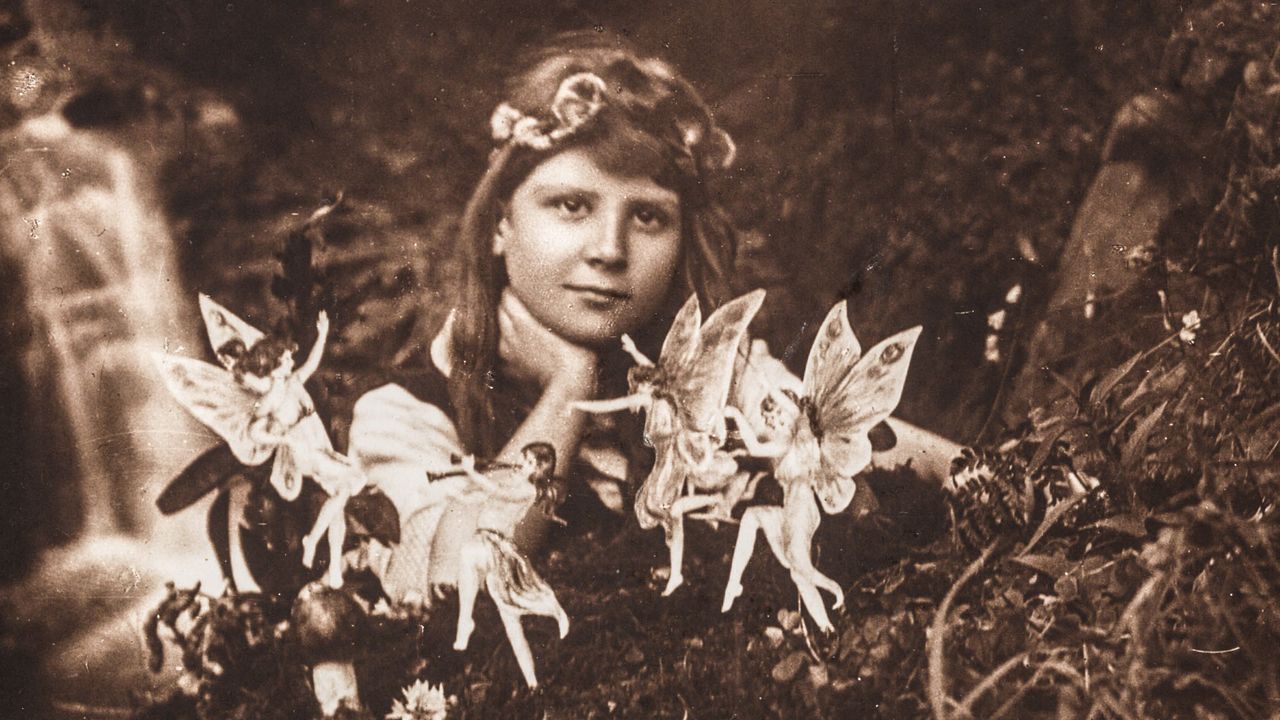
The above photo was taken in July 1917 by a teenage girl, Elsie Wright, in the garden of her Cottingley home in Yorkshire. It shows her younger cousin, Frances Griffiths, surrounded by dancing fairies. The fairies were paper cut-outs, secured to the ground with hat pins. And yet the image fooled millions of people including, most famously, Sherlock Holmes creator Arthur Conan Doyle.As photographers, this story should make us feel simultaneously vindicated and uneasy. Vindicated, because we understand better than most how profoundly a camera can deceive. Uneasy, because the lessons this affair teaches have never actually been learned; and the same failure is playing out right now, at unprecedented scale, with AI-generated deepfakes.Last week, an episode of BBC Radio 4's The Long View drew the parallel with characteristic sharpness. As it pointed out, the number of deepfakes shared online rose from around half a million in 2023 to eight million in 2025. The Cottingley story, it turns out, is not ancient history. It's more of a manual.












