In just 101 days, the 23rd World Cup will kick off in North America.
Under normal circumstances, the 100-day landmark would be a time of great anticipation and excitement, as the hosts - Canada, Mexico and the United States this time - put their final preparations in place.
But with the United States launching a massive attack against Iran - one of the teams that have qualified for the tournament - as part of a joint, ongoing military operation with Israel, huge question marks have been raised ahead of what was already appearing to be an extremely politicised World Cup.
What the USA’s military action against Iran means for the World Cup

The grave scenes in the Middle East over the past few days, which has seen the killing of Iran’s supreme leader Ayatollah Khamenei and retaliatory strikes from Iran across the region, could have huge ramifications for the World Cup.
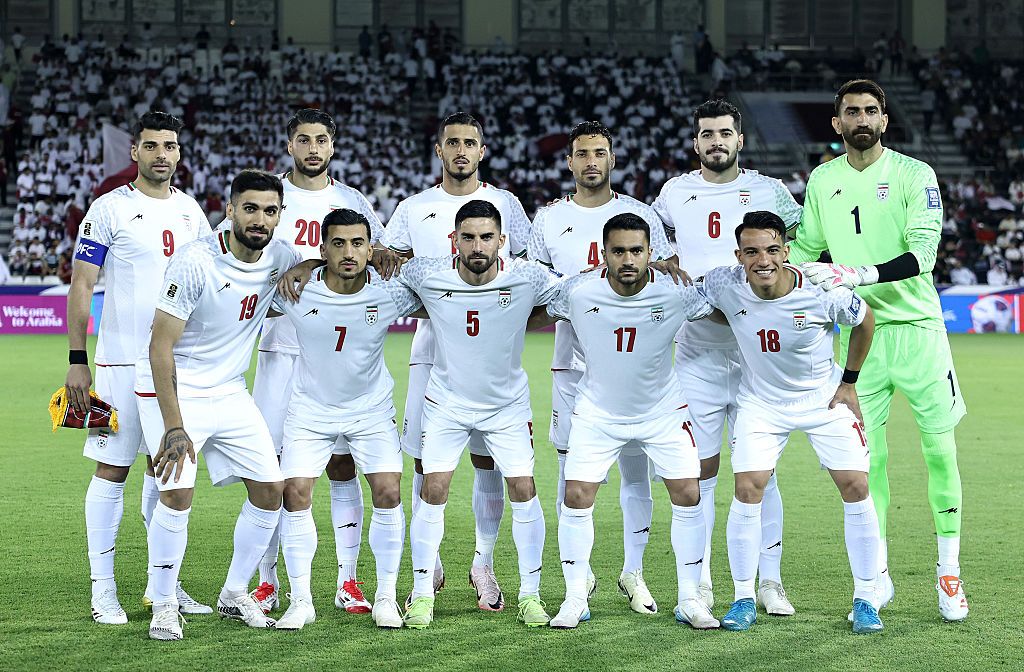
Iran qualified for their fourth consecutive World Cup last March and were placed in Group G for the tournament, alongside Belgium, Egypt and New Zealand and are due to play their matches in Los Angeles and Seattle.

There were initially doubts over Iran’s participation last summer, when the US bombed three Iranian nuclear facilities, but this latest crisis runs deeper.
"With what happened... and with that attack by the United States, it is unlikely that we can look forward to the World Cup, but the sports chiefs are the ones who must decide on that," Mehdi Taj, the head of Iran’s football federation reportedy told Iranian television at the weekend.
From the Iranian perspective, the state is now in a state of political flux, following the Ayatollah’s death, meaning we simply do not currently know who would be making any final decisions over their football team’s involvement this summer.
From the FIFA angle, the game’s governing body’s general secretary Mattias Grafstrom discussed the situation with the media during Saturday’s International Football Association Board (IFAB) meeting in Wales.
"I read the news [about Iran] this morning the same way you did," Grafstrom said. "We had a meeting today and it is premature to comment in detail, but we will monitor developments around all issues around the world.
"We had the finals draw in Washington in which all teams participated, and our focus is on a safe World Cup with all the teams participating. We will continue to communicate as we always do with three [host] governments as we always do in any case. Everybody will be safe."
What happens if Iran withdraw?

Should Iran boycott the tournament, the most obvious candidate to step in would be Iraq, who have a continental play-off against either Bolivia or Suriname later this month, with the United Arab Emirates then likely replace Iraq in that play-off.
With US President Donald Trump - the inaugural winner of FIFA's ‘Peace Prize’ - saying on Sunday evening that the operation in Iran could take ‘weeks’ there is every chance of it not being resolved before these play-offs at the end of the month.
Should there be regime change in Iran in the coming weeks, then that could change matters further, as the new regime may well push for its side to compete.
This is a fast-moving geopolitical situation and has seen FIFA plunged into uncharted territory at a time when the US’s fellow co-host Mexico has been dealing with an outbreak of cartel violence in the wake of the killing of drug kingpin Nemesio Oseguera Cervantes, known as 'El Mencho’.
With just over three months until the tournament kicks off, FIFA do not have time on their side as they look to resolve what is one of the most challenging situations in World Cup history.