Get all your news in one place.
100's of premium titles.
One app.
Start reading
The Conversation
The Conversation
Cassandra Burke Robertson, Professor of Law and Director of the Center for Professional Ethics, Case Western Reserve University

What the Supreme Court ruling against ‘universal injunctions’ means for court challenges to presidential actions

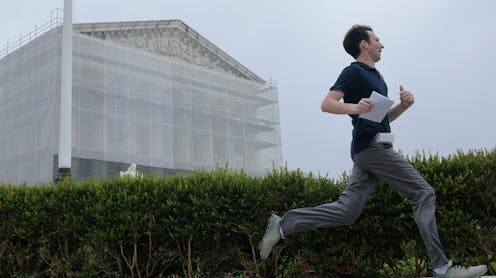
A journalist runs out of the U.S. Supreme Court building carrying a ruling on the last day of the court's term on June 27, 2025, in Washington, D.C. Chip Somodevilla/Getty Images

When presidents have tried to make big changes through executive orders, they have often hit a roadblock: A single federal judge, whether located in Seattle or Miami or anywhere in between, could stop these policies across the entire country.

But on June 27, 2025, the Supreme Court significantly limited this judicial power. In Trump v. CASA Inc., a 6-3 majority ruled that federal courts likely lack the authority to issue “universal injunctions” that block government policies nationwide. The ruling means that going forward federal judges can generally only block policies from being enforced against the specific plaintiffs who filed the lawsuit, not against everyone in the country.

Sign up to read this article
Read news from 100's of titles, curated specifically for you.
Already a member? Sign in here
Related Stories
Top stories on inkl right now
One subscription that gives you access to news from hundreds of sites
Already a member? Sign in here
Our Picks
Fourteen days free
Download the app
One app. One membership.
100+ trusted global sources.