It’s called “Good” Friday But nothing about that day feels good. Pain. Betrayal. Silence. So why does the world still remember it after 2,000 years?
Because what happened to Jesus Christ that day didn’t just change history it changed how we understand sacrifice. What looked like defeat became something far deeper. A moment of suffering turned into a message of hope, forgiveness, and purpose. That’s why people still pause, reflect, and remember. Because some events don’t fade with time they grow stronger, shaping faith and touching hearts across generations.

The Betrayal That Started It All
It began with betrayal. Judas Iscariot, one of the closest followers of Jesus Christ, secretly agreed to hand him over. For silver coins, trust was broken. This wasn’t just a political move it was deeply personal. Imagine being betrayed by someone you trusted completely. That’s where the story begins. Not with power, but with pain. This moment reminds us how even the strongest bonds can be tested when fear and pressure take over.
The Trial That Was Already Decided
After his arrest, Jesus was taken before Pontius Pilate. But this wasn’t a fair trial. The decision had already been made. Religious leaders saw Jesus as a threat because of his claims. To them, it was blasphemy. To followers, it was truth. Caught between pressure and politics, Pilate sentenced him to death. It shows how truth can sometimes be silenced not because it’s wrong, but because it’s uncomfortable. And sometimes, silence from those in power speaks the loudest.
The Suffering No One Can Ignore
Before the crucifixion, Jesus was beaten, mocked, and humiliated. A crown of thorns was placed on his head not as honor, but as insult. He was forced to carry his own cross through the streets. Every step was filled with pain. But he didn’t stop. This wasn’t just physical suffering it was emotional and spiritual. Yet, he chose to continue. This moment shows the depth of sacrifice. Not forced, but accepted. Not for himself, but for others.
The Crucifixion That Changed Everything
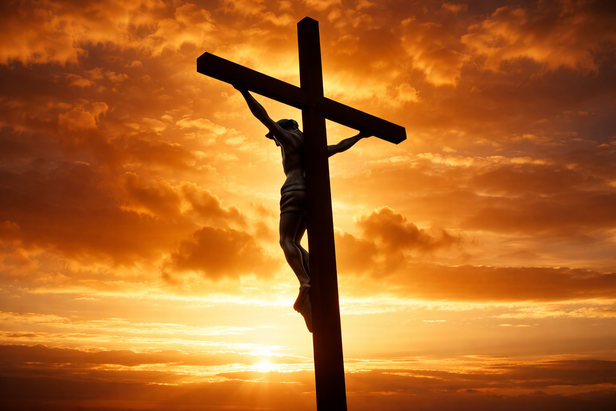
At a place called Golgotha, Jesus was nailed to the cross. Hours passed in agony. And in his final moments, he cried out in pain. Then silence. To many, it looked like the end. But what people didn’t realize was this his death wasn’t defeat. It was purpose. Christians believe he died for the sins of humanity. This moment became the foundation of faith. A painful ending that carried a deeper meaning beyond what eyes could see.
Why It’s Called “Good” Friday
It feels strange, doesn’t it? Calling such a painful day good. But the meaning lies deeper. Some believe it comes from God’s Friday. Others say it’s “good” because of what it represents hope, forgiveness, and redemption. What looked like tragedy became transformation. The pain had a purpose. And that’s why millions remember this day, not with celebration, but with respect. Because sometimes, the darkest moments carry the brightest meaning.
From suffering to hope
Good Friday is not just a story of suffering. It is a story filled with purpose, meaning, and quiet strength. It reminds us that even in the darkest moments, when everything feels lost, something greater may still be unfolding. What looked like an ending became the beginning of hope. That’s why, even today, the world pauses not to celebrate, but to reflect. To feel. To remember. Because what happened to Jesus Christ wasn’t just history. It became a message that still lives on that pain can carry purpose, and faith can rise even after the deepest silence.
Unlock insightful tips and inspiration on personal growth, productivity, and well-being. Stay motivated and updated with the latest at My Life XP.
Frequently Asked Questions (FAQs)
1. What is Good Friday?Good Friday is a significant day in Christianity that commemorates the crucifixion and death of Jesus Christ. It is observed during Holy Week, just before Easter Sunday.
2. Why is it called “Good” Friday?
The term “Good” is believed to mean “holy” or may have come from “God’s Friday.” Despite the suffering associated with the day, it is considered “good” because of the deeper meaning of sacrifice and redemption.
3. What happened on Good Friday?
On this day, Jesus was betrayed, arrested, tried, and sentenced to death by Pontius Pilate. He was crucified and died on the cross, an event central to Christian belief.
4. Why is Good Friday important?
It represents the ultimate sacrifice of Jesus for humanity’s sins. For Christians, it is a day of reflection, prayer, and remembrance of this profound act of love.
5. How do people observe Good Friday?
Many Christians fast, attend church services, and maintain a quiet, reflective atmosphere. Some also participate in reenactments of Jesus’ journey to the cross.