
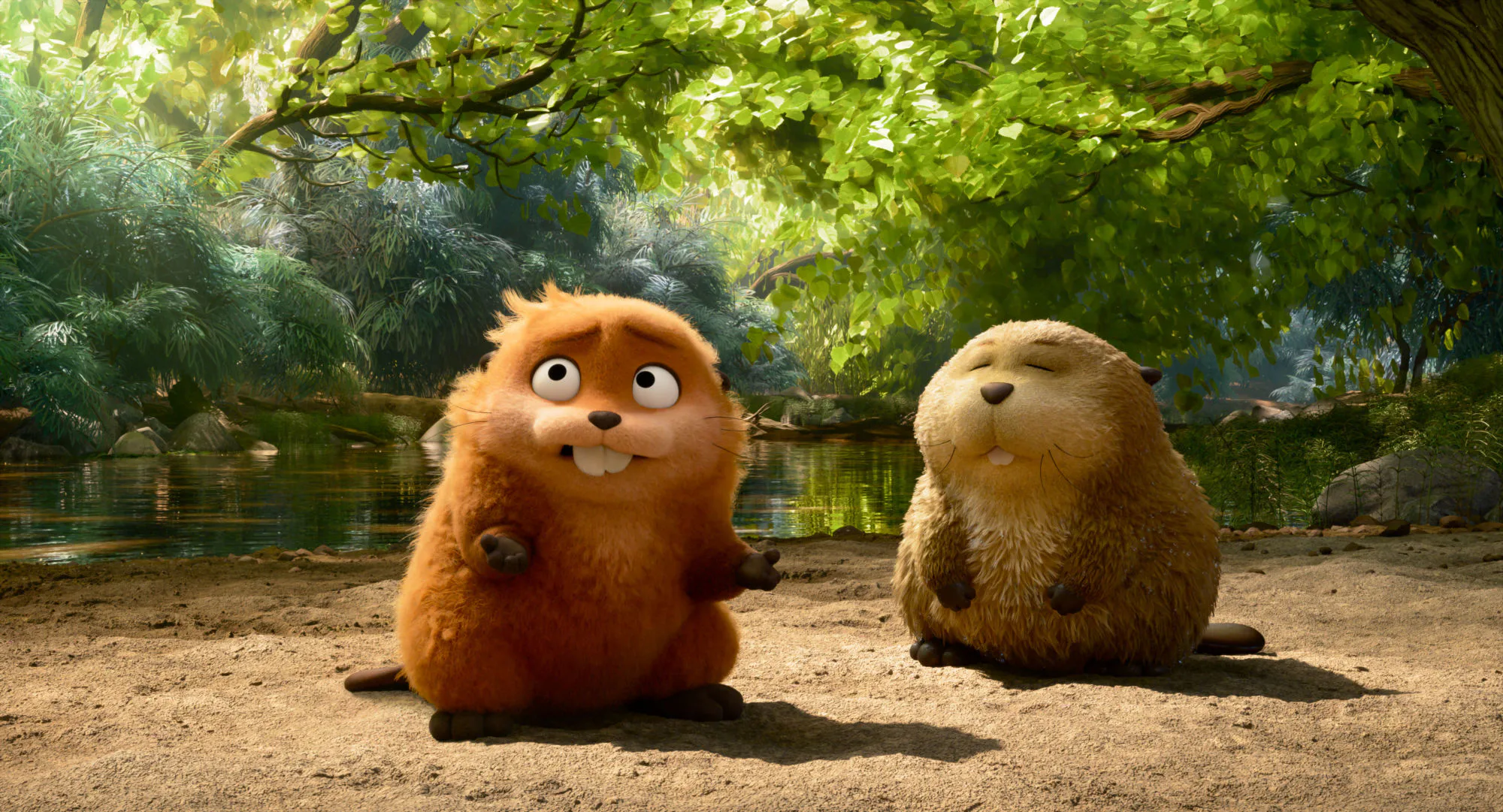
In Hoppers, scrappy scientists build a lifelike beaver robot that not only perfectly mimics its biological brethren but is controlled by a downloaded human mind — either exactly or not at all like Avatar, depending on whom you ask. The sci-fi tech allows its creators to get close to the animals they’re studying, but it belies the sheer scale at which real-life scientists are now learning about beavers.
“It wasn’t until five to 10 years ago that I started to see an uptick in remote sensing methods for studying beavers,” Emily Fairfax tells Inverse. “A lot of early research was done at the single-pond scale, which undersold how impactful beavers are. When you see it at the scale of hundreds of connected ponds, it’s a much more cohesive engineering than you may have assumed.”