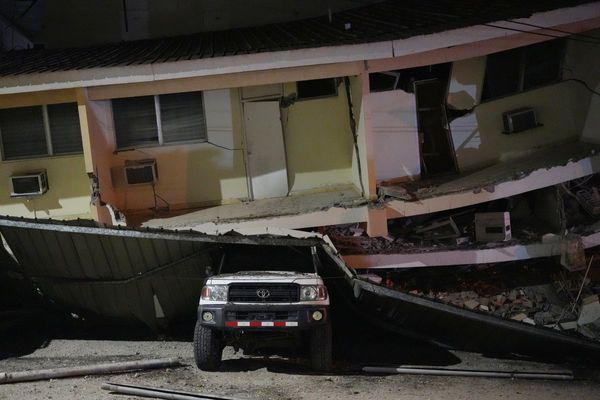
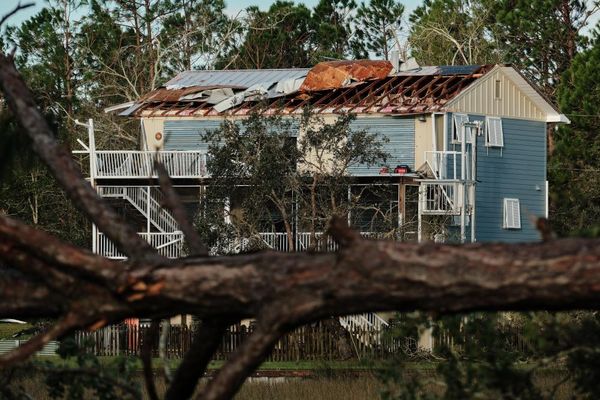
The devastation of hurricanes, earthquakes, tsunamis or tornadoes is often conveyed by how many people have been injured or killed. And based on this, we assess “how bad was it really?” For example, the recent hurricane season in the Atlantic has cost nearly 300 lives in the US and the Caribbean, with Helene killing at least 228 people. These deaths are usually due to flooding of houses and resultant drownings, injuries caused by the destruction of buildings or loss of emergency medical care.
But new research challenges us to see these disasters as broader events that have lasting effects for decades after they hit – whether from stress, financial hardship, pollution or long-term disease. A new paper in Nature magazine develops a methodology to estimate the overall effect of individual tropical cyclones (ie hurricanes and tropical storms) on all causes of mortality across all populations within the US. The authors analysed how mortality rates within a state changed for 20 years after the state was hit by a natural disaster, and took mortality data from 1950 to 2015 to form a longer-term picture.