Get all your news in one place.
100's of premium titles.
One app.
Start reading
The Economic Times
The Economic Times

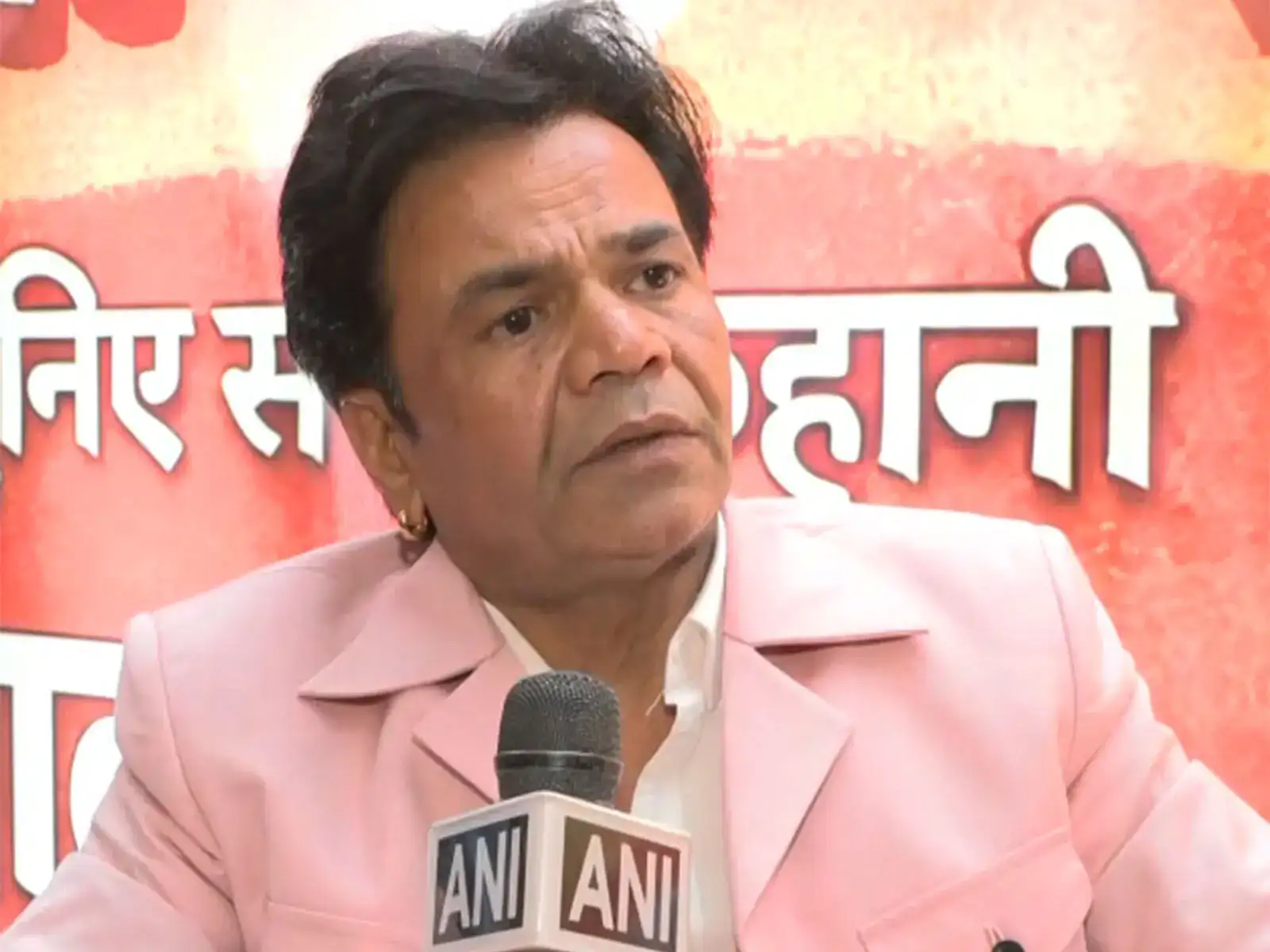
What is Rajpal Yadav's case? Here's why the comedy actor is sentenced to jail

Bollywood actor Rajpal Yadav landed in legal trouble once again after the Delhi High Court upheld his conviction in multiple cheque bounce cases and sentenced him to three months in jail. The court dismissed petitions filed by the actor and other accused challenging the trial court's verdict, bringing to a close years of litigation over unpaid financial liabilities.

The case has its origins in a loan taken over 15 years ago to finance one of Yadav's films. Here's everything you need to know.

Also read: Rajpal Yadav sentenced to jail after fresh High Court ruling in cheque bounce case

Why has Rajpal Yadav been sentenced to jail?

On Friday, the Delhi High Court upheld the trial court's conviction in multiple cheque bounce cases against Rajpal Yadav. The High Court rejected the actor's plea challenging the conviction, meaning the sentence imposed by the lower court will now stand.

The latest order directs Yadav to undergo three months' imprisonment in connection with the cheque dishonour cases.

What is the Rajpal Yadav cheque bounce case?

The dispute dates back to 2010, when Rajpal Yadav reportedly borrowed around Rs 5 crore from Murali Projects Pvt. Ltd. to finance his directorial debut, Ata Pata Laapata.

According to court records, the film failed commercially, and the loan remained unpaid. To settle the outstanding dues, several cheques were issued, but they were dishonoured after being presented for payment, leading to multiple complaints under Section 138 of the Negotiable Instruments Act, which deals with cheque dishonour.

Why did the amount rise to nearly Rs 9 crore?

Over the years, the unpaid principal, accumulated interest and other financial liabilities reportedly pushed the total dues to nearly Rs 9 crore.

The matter eventually resulted in seven separate cheque bounce cases, all arising from the same financial dispute.

What happened before the latest High Court ruling?

The legal battle has seen several twists:

  • In May 2024, a trial court convicted Rajpal Yadav and sentenced him in the cheque bounce cases.
  • The actor challenged the conviction before the Delhi High Court.
  • The High Court initially suspended his sentence to allow both sides to explore an amicable settlement through mediation.
  • Despite repeated assurances, the promised payments were not made within the stipulated time.
  • In February 2026, the High Court lifted the suspension of sentence, observing that Yadav had repeatedly failed to honour his commitments, and directed him to surrender before jail authorities.

Did Rajpal Yadav make any payments?

Court proceedings noted that Rajpal Yadav had deposited around Rs 4.25 crore during the course of the litigation. However, the court observed that this did not fulfil the agreed settlement terms.

Reports also said that Yadav declined a proposed Rs 6 crore settlement, after which the High Court proceeded with the case.

Rajpal Yadav case: What did the Delhi High Court rule now?

In its latest judgment, the Delhi High Court dismissed the petitions filed by Rajpal Yadav and other accused persons, thereby affirming the conviction and sentence passed by the trial court.

With the High Court refusing to interfere, the actor has been ordered to serve a three-month jail term in the cheque bounce cases.

Sign up to read this article
Read news from 100's of titles, curated specifically for you.
Already a member? Sign in here
Related Stories
Top stories on inkl right now
One subscription that gives you access to news from hundreds of sites
Already a member? Sign in here
Our Picks
Fourteen days free
Download the app
One app. One membership.
100+ trusted global sources.