
Get all your news in one place.
100’s of premium titles.
One app.
Start reading
Tom’s Guide
Tom’s Guide
Technology
Millie Fender

What is 'pitting'? This common mistake will cause permanent damage to your induction cooktop

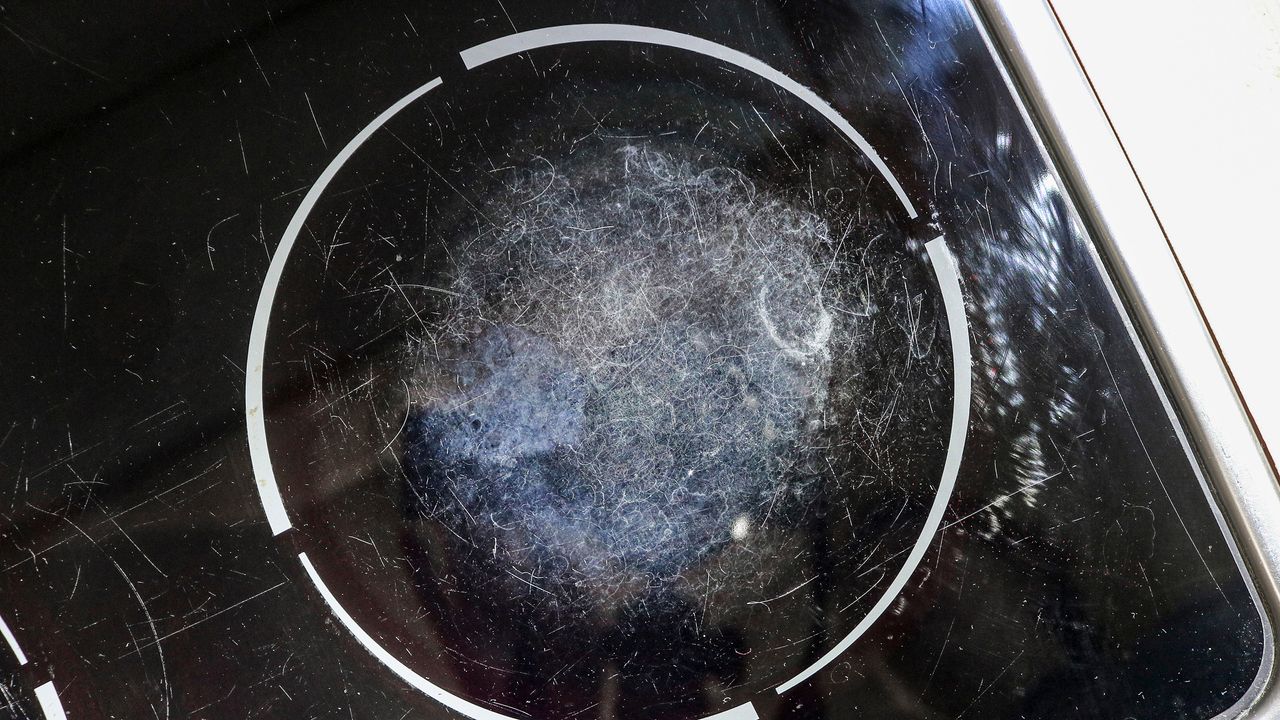
Damaged induction cooktop .

One of the many reasons to switch to an induction cooktop is that they're easier to clean than conventional electric models. But even so, if you don't clean your cooktop properly, you could risk causing permanent damage to your cooking surface in a process called "pitting".

Whether you call them pits, pock marks or chips, pitting will cause small craters in the surface of your glass cooktop. It's most easily caused by hot sugar hitting the surface of your stove, which, when cooled, will adhere to the glass, taking some away with it when you clean. Here's how to avoid pitting on your cooktop, and what to do if it happens.

What causes pitting?

(Image credit: KitchenAid)

Unike most common damage you can cause with your cooktop, there's no cure for pitting. The occasional scratch can be minimized, but when you've left a pockmark in the surface of your ceramic cooktop, it's permanent.

The most common cause of pitting, which you'll find is behind 99% of cases, is hot sugar.

That's because you've caused a chemical reaction on your cooktop surface that has adhered hot food to the glass of the cooktop itself. The most common cause of pitting, which you'll find is behind 99% of cases, is hot sugar.

According to Whirlpool, "If sugary spills are allowed to cool down, they can adhere to the cooktop and can cause pitting and permanent marks."

If you've ever made jam or caramel, you'll know that sugar can get scarily hot, and if you do spill it on your cooktop surface, it'll begin to cool and solidify as soon as it touches the cooler glass.

And if you've ever attempted to clean toffee or caramel off a saucepan, you'll know how much it sticks once it's set. It can feel impossible to clean, because it adheres so firmly to the cooler surface. That's the same thing that causes pitting on your cooktop. You can't remove the sugar from your stove without removing some of the glass it's stuck to.

There's also a risk that this could happen if you have sugar stuck to the bottom of a saucepan or frying pan, and even a grain is enough to cause some damage. This is because the base of your pan gets very hot on the stove, which will then melt anything between the stove and the pan, causing the same reaction that results in pitting.

How to prevent pitting

(Image credit: Shutterstock)

Whirlpool, a major manufacturer of cooktops, recommends taking extra care when cooking with sugary foods. The trick is to not let your sugar crystalize when it hits the surface of your cooktop.

"For foods containing sugar in any form, clean up all spills and soils as soon as possible", it advises on its website.

"Allow the cooktop to cool down slightly. Then, while wearing oven mitts, remove the spills while the surface is still warm."

Another tip is to keep a scraper on hand in your kitchen. This will make it easier to remove jams, sauces and syrups as soon as you spill them.

Follow Tom's Guide on Google News and add us as a preferred source to get our up-to-date news, analysis, and reviews in your feeds.

More from Tom's Guide

Sign up to read this article
Read news from 100’s of titles, curated specifically for you.
Already a member? Sign in here
Related Stories
Top stories on inkl right now
One subscription that gives you access to news from hundreds of sites
Already a member? Sign in here
Our Picks
Fourteen days free
Download the app
One app. One membership.
100+ trusted global sources.







