Get all your news in one place.
100’s of premium titles.
One app.
Start reading
The Guardian - AU
The Guardian - AU
World
Jessica O'Bryan

What is LegCo in Hong Kong – explained in 30 seconds

Voters in a line at a polling station in Hong Kong
LegCo voters wait to cast their ballot at a polling station in Wan Chai, Hong Kong. Composite: Guardian Design/REX/Shutterstock

Hong Kong’s Legislative Council (LegCo) acts as a mini parliament that can make and amend laws for the city. However, LegCo elections have become devoid of meaningful opposition as Hong Kong has faced significant political repression and undergone major governance system overhauls in recent years.

When the former British colony was returned to Chinese control in 1997, a “one country, two systems” framework promised Hong Kong would retain its autonomy, but its freedoms and democracy have been gradually eroded.
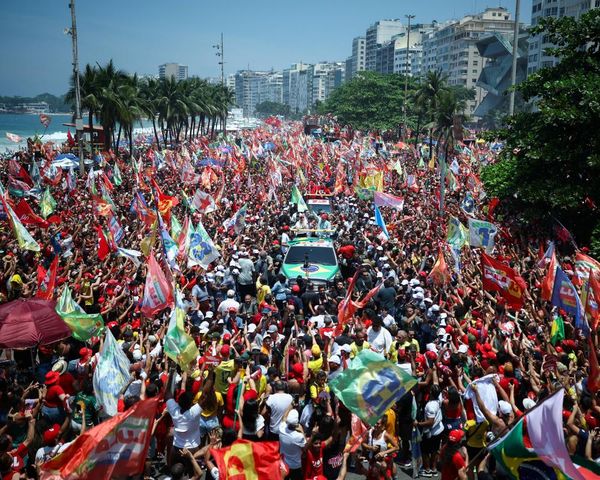
In 2014, the Chinese government introduced a bill allowing Hong Kong residents to vote for their chief executive, the city’s head of government, but only candidates approved by Beijing. In 2019, amid months of protests, hundreds of residents broke into the city’s legislative complex, angry over a proposed extradition law that would allow people to be sent to China to face charges.

The national security law (NSL), which passed in June 2020, gave Beijing unprecedented powers over Hong Kong and criminalised acts such as secession and subversion. In the five years that have followed, every major democratic party disbanded.

The annual LegCo elections are Hong Kong’s equivalent of a general election. However, China introduced laws in 2021 that ensured only government-approved pro-Beijing “patriots” were eligible to run for seats, and a new code of conduct, proposed in July, would require legislators to “sincerely support” Beijing’s jurisdiction.

Today, only 20 of the 90 available seats on the LegCo are directly elected by the city’s residents, with the remaining chosen by the pro-Beijing Election Committee and special interest groups.

With other forms of protest criminalised, refusal to vote is one of the few ways that Hong Kong residents can safely express dissent against political repression. Voter turnout for the LegCo elections has reached a record low since the “patriots only” policy was introduced.

Sign up to read this article
Read news from 100’s of titles, curated specifically for you.
Already a member? Sign in here
Related Stories
Top stories on inkl right now
One subscription that gives you access to news from hundreds of sites
Already a member? Sign in here
Our Picks
Fourteen days free
Download the app
One app. One membership.
100+ trusted global sources.