
Get all your news in one place.
100's of premium titles.
One app.
Start reading
Woman & Home
Woman & Home
Lifestyle
Kat Storr

What is fibremaxxing? Scientists explain why it's more than a trend for improving your gut health

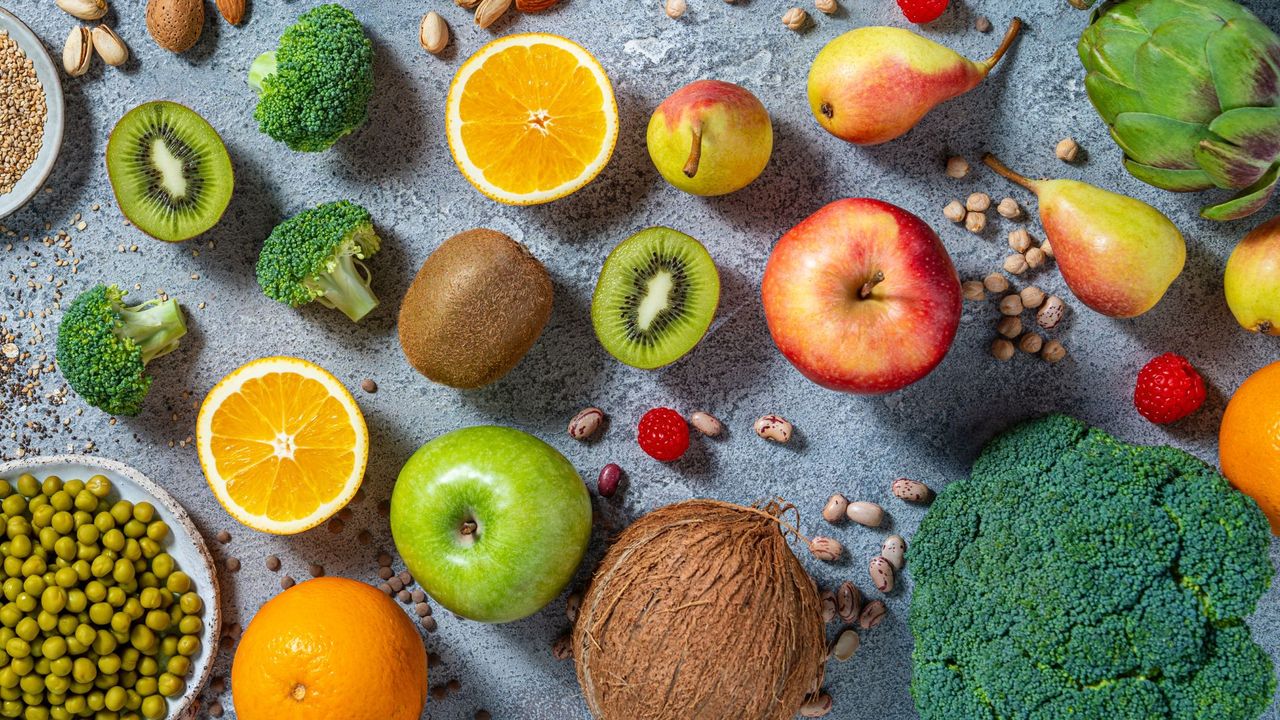
A collection of high-fibre foods suitable for fibremaxxing, including seeds, nuts, and fruits.

Fibre is a key component of a healthy, balanced diet. Eating plenty of fibre-rich foods keeps us fuller for longer, helps reduce cravings, aids digestion, and reduces the risk of constipation and even bowel cancer.

While high-protein foods have taken the main stage over the last few years, an increased awareness of how good fibre is for improving our gut health has led to a trend called 'fibremaxxing'.

We look at trends very closely here at woman&home - and end up ignoring most of them - but this is one worth paying attention to. It's thought that 96% of us in the UK don't eat enough fibre-rich foods, and we only consume about 20g of fibre daily, instead of the recommended 30g.

What is fibremaxxing?

Fibremaxxing is making sure you’re eating at least the recommended daily amount of fibre (30g per day), if not more. It was a trend that started on TikTok, but other platforms have been promoting similar ideas for a few years now - just take Dr Tim Spector and Zoe's '30 plants a week' initiative as an example.

The practice involves orienting all meals around plant-based foods like beans, seeds, leafy greens, and berries, which are rich in fibre to reach the recommended intake - or more.

Why should we be fibremaxxing?

Fibre and life expectancy are strongly linked. But not only that, eating enough fibre is directly linked to living better for longer, known as longevity. "There is a nine-year gap between living to a certain age in good health and then living in poor quality of health at the end of your life," says Jennifer Lee, a scientist at the Jean Mayer USDA Human Nutrition Research Center on Aging at Tufts University.

"A lot of modern-day conditions are underlined by chronic inflammation – and a high fibre diet can put a brake on that process, lowering inflammation," Prof Thomas Barber, consultant endocrinologist and professor of endocrinology at University Hospitals Coventry and Warwickshire NHS Trust and University of Warwick, told the BBC. "Fibre can also help to strengthen the immune system, and there's evidence it can impact brain functioning, mood and cognition.

Not only does eating enough fibre make daily life more enjoyable by improving brain health, reducing bloating and constipation, and stabilising blood sugar levels, it also improves long-term health.

"Depending on a number of factors that may impact one's cancer risk, a fibre deficiency may increase your risk for certain cancers, such as colorectal, breast, and prostate cancer," says Lee. Not eating enough harms our gut health, raises inflammation, and slows down waste disposal, leading to possible carcinogenic exposure.

"If you're not consuming a lot of fibre, you're possibly consuming calories from other macronutrient groups, and they may be high in carbohydrates or fats, which can lead to weight gain," she says, which is also a risk factor for such diseases.

Fibremaxxing is also a positive trend, one that focuses on adding more to your life, rather than taking anything away or making life harder. "It's about eating more vegetables, beans, oats, and whole foods. Not cutting everything out, which makes it far more sustainable," says Dr Asiya Maula, a functional medicine specialist at wellness clinic The Health Suite.

How to fibremaxx safely

Balanced meals with plenty of whole grains, pulses and vegetables should help you eat enough fibre without the need for supplements.

If you’re trying to increase your fibre intake, Dr Maula suggests starting gradually. “Suddenly doubling fibre overnight can cause bloating or discomfort,” she says. “The key is slow, steady increases with plenty of fluids.”

Try adding the following foods to your diet as they are highest in fibre:

  • Chia seeds: about 34g of fibre per 100g
  • Flaxseeds: 27g of fibre per 100g
  • Dried split peas: about 25g of fibre per 100g
  • Dried lentils: around 11g of fibre per 100g
  • Oats: about 10g per 100g
  • Cooked black beans: about 8 or 9g per 100g
  • Cooked chickpeas: about 7 or 8g per 100g
  • Raspberries: around 6 to 7g per 100g
  • Avocado: around 6 to 7g per 100g
  • Broccoli: about 2.5 to 3g per 100g

Drinking water also helps avoid constipation and move food through the digestive system.

“Fibremaxxing isn’t about extremes. It’s about feeding your body properly and letting appetite and energy regulate themselves naturally,” Dr Maula adds.

Sign up to read this article
Read news from 100's of titles, curated specifically for you.
Already a member? Sign in here
Related Stories
Top stories on inkl right now
One subscription that gives you access to news from hundreds of sites
Already a member? Sign in here
Our Picks
Fourteen days free
Download the app
One app. One membership.
100+ trusted global sources.