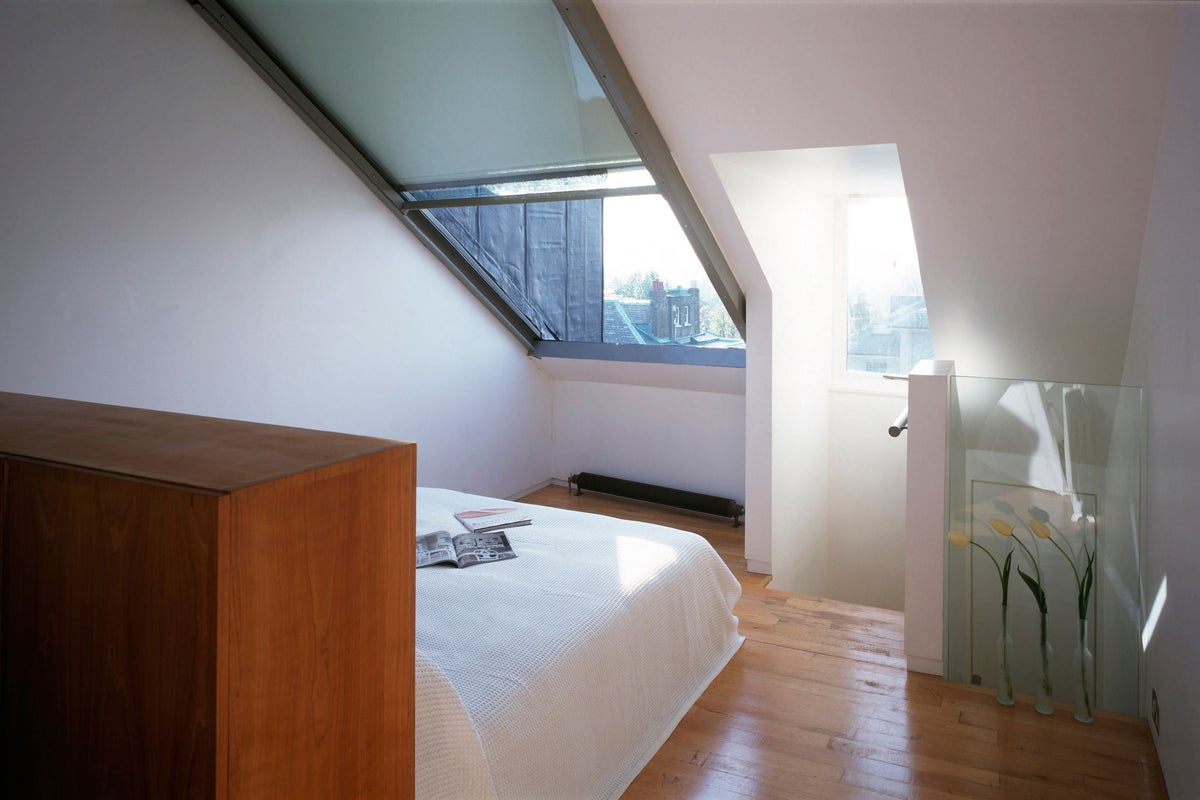
When the clocks go forward each year at the end of March for Daylight Saving Time (DST), most people will breathe a sigh of relief as longer evenings and brighter mornings herald the start of spring. But the seasonal shift is more than just a mood boost – it also shows how important daylight is and how it can be a key design tool in the home, as essential as furniture, wallpaper or paint.
“Natural light is not just a nice feature. It changes the whole mood,” says Mara Rypacek Miller, founder of lighting company Industville. “When the clocks go forward, it’s the perfect moment to check that your home is really making the most of every bit of daylight it gets.”

What is daylighting?
Daylighting is the practice of using natural light to illuminate your home as effectively as possible, reducing the need for artificial lighting during the day. In design terms, it means thinking carefully about how sunlight enters and moves through a space, then using features such as window placement, rooflights, glazed doors, mirrors and reflective surfaces to help spread that light further. Done well, daylighting can make rooms feel brighter, larger and more comfortable, while also helping to lower electricity use.
Why daylight matters in design
Embracing natural light in our homes can enhance wellbeing and support our circadian rhythm – the body’s internal clock that regulates our sleep. It can also make living spaces feel brighter, warmer, more spacious and more welcoming.
One of the most effective ways to approach daylighting is by planning your rooms around the path of the sun. In the UK, south-facing spaces receive the greatest amount of light throughout the year, so it makes sense to position the rooms you spend the most time in on this side of the home.
East-facing rooms, meanwhile, are perfect for kitchens or breakfast areas, as they will catch energising morning light. West-facing rooms benefit from warmer afternoon and evening light, while north-facing spaces provide a softer, more consistent illumination that works well for home offices where glare from the sun can be distracting.
Architectural ways to bring light deeper into the home
Few people are fortunate enough to control exactly where their rooms are positioned. Beyond windows, architects have several clever structural features that can bring natural light deeper into a building.
Roof windows and skylights are among the most effective tools, particularly in attics, extensions or loft conversions. But these aren’t the only solution: clerestory windows – long, very narrow windows positioned high on a wall – allow daylight to enter while maintaining privacy. Meanwhile, light wells – vertical shafts that channel sunlight from a rooflight – are ideal for brightening dark hallways and staircases, while sun pipes (or sun tunnels), which channel light from the roof through a reflective shaft, are perfect for illuminating windowless interior rooms.
Easy ways to improve natural light
Smaller interior choices can also make a noticeable difference. “It's all about using every trick in the book,” says Rachal Hutcheson, interiors expert at Sharps. She recommends using light-reflective surfaces such as pale walls, polished floors or glossy and metallic finishes to bounce light around a room, making spaces feel brighter and more open. “When you’re trying to restyle a dark space, every bit counts.”
Reflection is another key consideration. Sunlight isn’t motionless – it travels across the room, and its effect can be maximised by placing pale, reflective surfaces, such as mirrors, glossy furniture, or light-coloured rugs, in its path.
Darren Morley, managing director of The Mirror Man, adds that strategically-placed mirrors can also bounce light into the darkest corners. “The best placement is opposite or adjacent to windows, where they can reflect incoming light deeper into the room. Just make sure they reflect something beneficial – avoid cluttered areas, as that’s not what you want to amplify.”
Swapping solid internal doors for glazed ones is another effective way to spread light between rooms. Hutcheson explains: “They can be a complete game-changer. As a bonus, you can get creative with the glazing, choosing patterns, textures, and colours to make them a standout feature.”
Furniture choices can make a difference, too. Low-line furniture allows light to travel more freely across a room. “You’d be surprised how much of a difference this can make,” says Hutcheson. Low-slung seating and beds help open up the space, making it feel brighter and more spacious. She recommends sofas and chairs with low backs, or bed bases that sit closer to the floor.
How to maximise natural light year-round
Miller suggests that to make the most of natural light year-round, we should “think about lighting in layers that support your circadian rhythm.” This means aiming for brighter spaces in the morning, using a mix of natural and artificial light, before transitioning to softer, warmer lighting in the evening “to help signal to the body that it’s time to wind down.”
Chris Bawden, founder of Simple Lighting, recommends using dimmable lights to adapt to changing light levels throughout the year. “They allow interiors to stay visually balanced without abrupt transitions between day and evening,” he explains, adding that gradually increasing artificial light as natural light fades helps maintain a comfortable, natural feel indoors.
During brighter months, he also suggests using low-level task lighting instead of relying solely on ceiling fixtures. “That allows daylight to remain the primary source while still providing clarity where it’s needed.”
The clock change can also reduce our reliance on artificial lighting. At this time of year, with lights switched on later in the evening and off earlier in the morning, households see a slight drop in energy use.
The cheapest ways to increase natural light
You do not need to knock down walls or install new windows to make a room feel brighter. Some of the cheapest ways to increase natural light are simply to work with what you already have. Painting walls, ceilings and woodwork in light colours can help reflect daylight more effectively, while adding mirrors opposite or beside windows will bounce light deeper into the room.
Swapping heavy, dark curtains for lighter fabrics, keeping window glass clean, and choosing low-profile or light-coloured furniture can also make a noticeable difference. Even small changes, such as decluttering windowsills and using glossy or metallic accessories, can help maximise the daylight that enters a space.
Making the most of the clocks changing
Catherine Hiley, energy expert at Go Compare, says one way to make the most of longer days is by fitting solar panels to your home. “More daylight means more generation, which reduces how much electricity you need to pull from the grid,” she explains.
Solar installations from providers like Octopus Energy turn daylight into electricity and can significantly reduce reliance on the grid, especially in spring and summer when generation is strongest. “It’s a good time to check that your solar panels are clean, unobstructed and performing as expected to take advantage of more sun,” adds Hiley.
Octopus offers solar packages for UK homes, with roof‑tailored installations, battery storage and smart tariffs that can lower bills by using more of your own power and exporting any excess to the grid. However, making the most of longer days isn’t just about design features or solar panels – it’s also about adjusting how your home uses energy.
“With the clocks changing, it’s worth checking the timer on your boiler or heating system,” adds Hiley. “Some boilers update automatically, but many, especially older combi boilers, require you to adjust the clock manually. While you’re doing that, think about whether your heating schedule still fits your routine and the warmer weather, as you may be able to shorten it or switch it off entirely.”
The natural materials that make homes feel warmer in winter and cooler in summer
Interior design expert reveals how to make your small home feel bigger and more expensive
The cosiest bedroom upgrades that can also lower your energy bills
How to light your home beautifully and cut electricity use
This is how long solar panels really last on a typical home
Do solar panels add value to my house?
How much money can solar panels really save on my energy bills?