
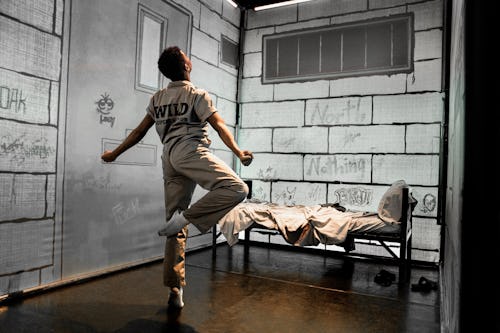
The word “activism” often elicits a specific image, usually in relation to energized, chanting bodies filling a street for a march, linked arms gathered to block the outside of a government building, or people in suits and ties standing in a courtroom pushing for progressive policy. For Emmy-nominated choreographer Jeremy McQueen’s Black Iris Project, activism involves fluid movement and storytelling through multi-genre dance. Messages of resistance come in the form of back-to-back pirouettes and the South African gwara gwara dance, performed to the beat of hip-hop and fueled by unwavering truths about youth incarceration.
Black Iris Project, about six years ago, began tell stories about Black history and culture. They swiftly pivoted into addressing systems of oppression that touch Black and brown lives. Most recently, they’ve zoomed in on the broken juvenile justice system. “I am very, very unapologetic with my work and I make it very clear who it is for. My work specifically showcases Black bodies and highlights Black stories,” McQueen says. His collective has endured every barrier along the way, from financial strains to having their credibility constantly questioned. Some of their doubters, in fact, were from the dance community themselves, questioning the necessity of depicting this incarceration trauma.