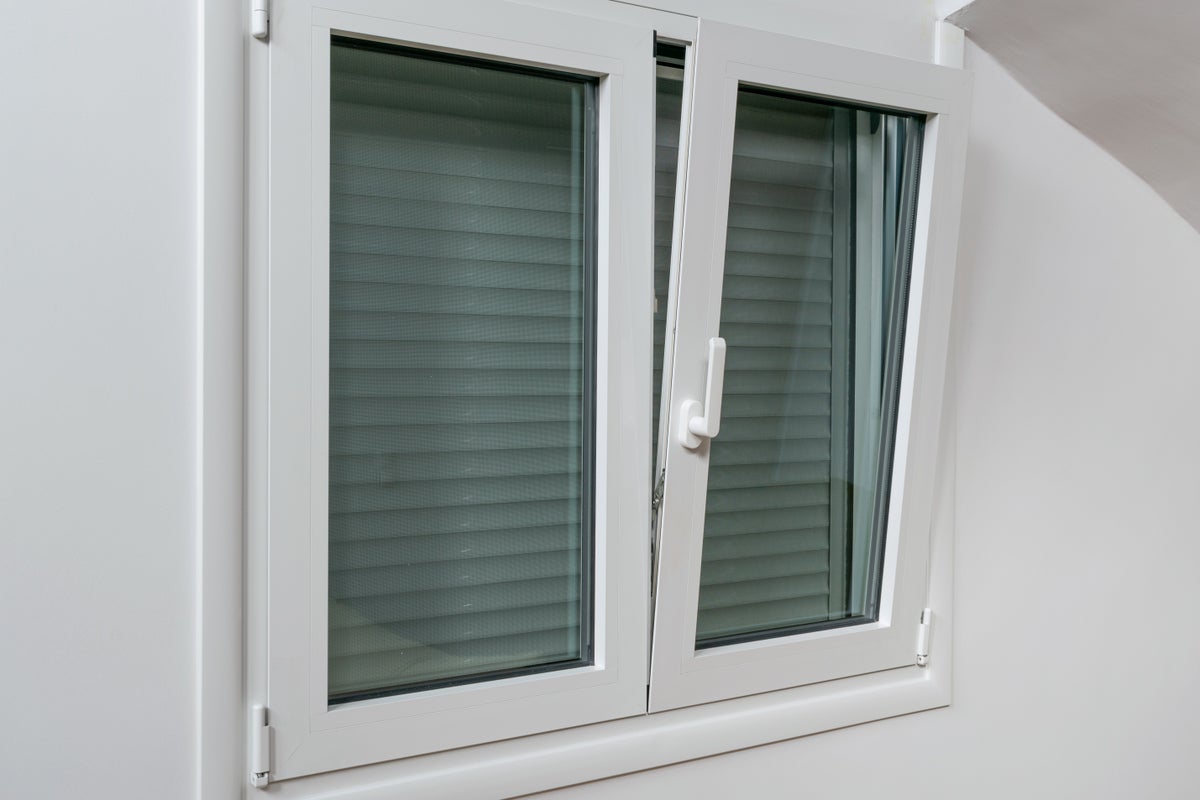
Tilt and turn windows are one of the most practical modern window styles you can choose. Long popular across mainland Europe and now becoming more common in UK homes, they open in two distinct ways: they can swing inwards like a door for a full opening, or they can tilt inwards at the top to let in air without opening the whole window.
That dual-opening design makes them especially useful in flats, upper-storey rooms and contemporary homes where ease of cleaning, ventilation and security all matter. Because the sash opens inwards, it is far easier to clean the outside glass from indoors than with many other window types. The result is a window that combines clean, streamlined looks with everyday flexibility.

Get a free quote for new windows
Use our comparison tool below to get a range of free quotes from leading window installers across the UK.
What is the purpose of tilt and turn windows?
The main purpose of tilt and turn windows is to give homeowners more control over how a room is ventilated and accessed. Unlike standard window styles, they are designed to open in two different ways: the tilt function allows the top of the sash to lean inwards slightly for secure, controlled airflow, while the turn function opens the whole window inwards for maximum ventilation and easy access.
That makes them particularly useful in homes where practicality matters as much as appearance. The tilt setting can help improve airflow without creating a wide-open gap, which is useful in bedrooms and bathrooms. The full inward opening also makes it much easier to clean the outer pane from inside the house, which is a major advantage for upper-floor rooms and flats. In short, tilt and turn windows are designed to combine ventilation, convenience, safety and a clean modern look in one system.
What materials are tilt and turn windows made from?
Tilt and turn windows are typically available in the same core frame materials as other modern window styles, but each comes with different strengths in terms of price, appearance, maintenance and performance.
uPVC is usually the most affordable option and remains one of the most common choices in UK homes. It is low maintenance, resistant to rot and corrosion, and generally offers good thermal efficiency at a lower price point than other materials. For many homeowners, it is the practical choice if budget is top priority. The downside is that it can look less premium than other finishes, and while modern uPVC frames have improved a lot in appearance, they may not suit period homes or high-end renovations in the same way as timber or slimline aluminium.
Aluminium is often chosen for its cleaner, more contemporary look. It is stronger than uPVC, which means frames can usually be made slimmer without sacrificing structural performance, helping to maximise the amount of glass and natural light. Aluminium is also highly durable and typically has a long lifespan, making it attractive for modern extensions and architect-led projects. However, it tends to cost more than uPVC, so it is more of an investment upfront.
Timber is usually seen as the premium option. It offers a warmer, more traditional appearance that can work especially well in older properties, cottages and conservation-style projects where preserving character matters most. Many homeowners prefer the natural look of wood, and it can add a sense of craftsmanship that other materials struggle to match. The trade-off is typically maintenance, as timber frames generally need more regular care to keep them protected from weathering. What’s more, they are often the most expensive option.
Some homeowners also come across composite frames, which combine materials such as timber inside with aluminium cladding outside. These are designed to offer the appearance of wood indoors with greater weather resistance externally, though they are usually positioned at the more expensive end of the market.
In practice, the right material often comes down to what matters most to you. uPVC is usually best for affordability and ease, aluminium for a modern look and durability, and timber for character and a more traditional finish.
How much do tilt and turn windows cost?
Costs vary by material and property size. Based on The Independent’s research, fitting a typical three-bedroom home with eight tilt and turn windows will cost approximately:
- uPVC tilt and turn windows – around £5,900
- Aluminium tilt and turn windows – around £12,000
- Timber tilt and turn windows – around £18,000
While more expensive than standard casement windows, tilt and turn designs provide extra flexibility and functionality that many homeowners consider worth the investment.
Are tilt and turn windows energy efficient?
Yes. Like casement windows, tilt and turn frames press firmly into the seal when closed, which reduces draughts and heat loss. Many models are also available with double or triple glazing, making them well suited for energy-conscious households.
Read more: Compare free quotes from trusted double glazing installers
Material |
Casement cost for an average 3-bed |
Bay cost per window |
Sash cost for an average 3-bed |
Tilt and turn cost for an average 3-bed |
Bow cost per window |
uPVC |
£4,500 |
£2,250 |
£6,500 |
£5,900 |
£2,250 |
Timber |
£14,000 |
£6,700 |
£18,000 |
£18,000 |
£6,700 |
Aluminium |
£9,600 |
£4,500 |
N/A |
£12,000 |
£4,000 |
What are the advantages of tilt and turn windows?
Tilt and turn windows offer several unique benefits:
- Versatility – open inwards like a casement for maximum ventilation, or tilt from the bottom for gentle airflow.
- Safety – the tilt setting provides secure ventilation, making them ideal for homes with pets or young children.
- Convenience – because they open inwards, cleaning the outer glass is simple, even on upper floors.
- Space-saving – they don’t swing outwards, so they’re perfect for balconies or tight outdoor spaces.
What are the disadvantages of tilt and turn windows?
Tilt and turn windows have plenty of advantages, but they are not the right fit for every property. One of the main drawbacks is their cost. They are often more expensive than standard casement windows because the mechanism is more complex and the hardware is heavier-duty. Installation can also be more specialised, which can add to the overall price.
Their inward-opening design can be another downside in some homes. Because the sash swings into the room when fully opened, it can get in the way of blinds, curtains, furniture or even items you have placed on the windowsill. Some homeowners also prefer the look of more traditional British window styles, particularly in period properties, where tilt and turn windows may feel too modern. While they are practical, they are usually best suited to contemporary homes and apartments, rather than every type of property.
Which is better, tilt and turn or casement windows?
Neither style is inherently better. Moreover, it depends on what you want from the window and the type of property you have. Tilt and turn windows are often the stronger choice if you value flexibility, easy cleaning and a more contemporary look. Because they can open in two ways, they give you more control over ventilation, and the inward-opening design makes it much easier to clean the outside glass from indoors. That can be a big advantage in flats, upper-floor rooms and modern homes.
Casement windows, however, are still the more familiar option in many UK properties, and for good reason. They are widely available, usually cost less than tilt and turn designs, and tend to suit a broader range of home styles, especially traditional and period properties. Because they open outwards rather than into the room, they also do not interfere with curtains, blinds or furniture in the same way.
In general, tilt and turn windows are often better for practicality and modern living, while casement windows are usually better for affordability, simplicity and a more classic appearance. If your priority is ventilation control, easy maintenance and a sleek design, tilt and turn may come out on top. If you want a more conventional and budget-friendly option, casement windows may be the better fit.

Tilt and turn window pros:
- Safe for pets and children
- Several ventilation options
Tilt and turn window cons:
- More complex and therefore more expensive
- Trickier to use for the uninitiated
What to look for in a tilt and turn windows quote
Once you’ve decided to buy your windows, you’ll want to get a few quotes together. You can use our expert tool to get prices in your area.
Your quote will be influenced by several factors, including the number of windows you want, their shape and location, the materials you have chosen, and your location within the country.
Windows will cost you more in London because the area commands higher wages for tradespeople, for instance.
Firstly, you will want to go through the quote with a fine-tooth comb. What have they included? Has anything been missed out? Is scaffolding in there? Do you need scaffolding? How long have they quoted for? Is that enough or too long?
Does the quote include the finish, colour, locks and handles you asked for?
If you have opted for in-house financing, which you should probably try to avoid since it will be more expensive than other loans, is the deal exactly as the salesperson described?
If there are any discrepancies between what you asked for and what’s in the quote, raise that now and use it as leverage for a discount. If the detail is not there, ask for it.
You will also want to check exactly what the guarantee covers so you can compare it to other deals.
How to get the best price for your new tilt and turn windows?
In a word, haggle. There are hundreds of window fitters in the UK and there will be dozens in your area. If you offend one by asking for a cheaper price, so what? Be bold.
Haggling is something of a lost art in the UK, since so much is bought online or in shops where no room for negotiation is allowed.
But for big purchases like cars, homes, windows and renovations, it can save you thousands of pounds.
The key thing is to understand your own priorities and those of the fitter.