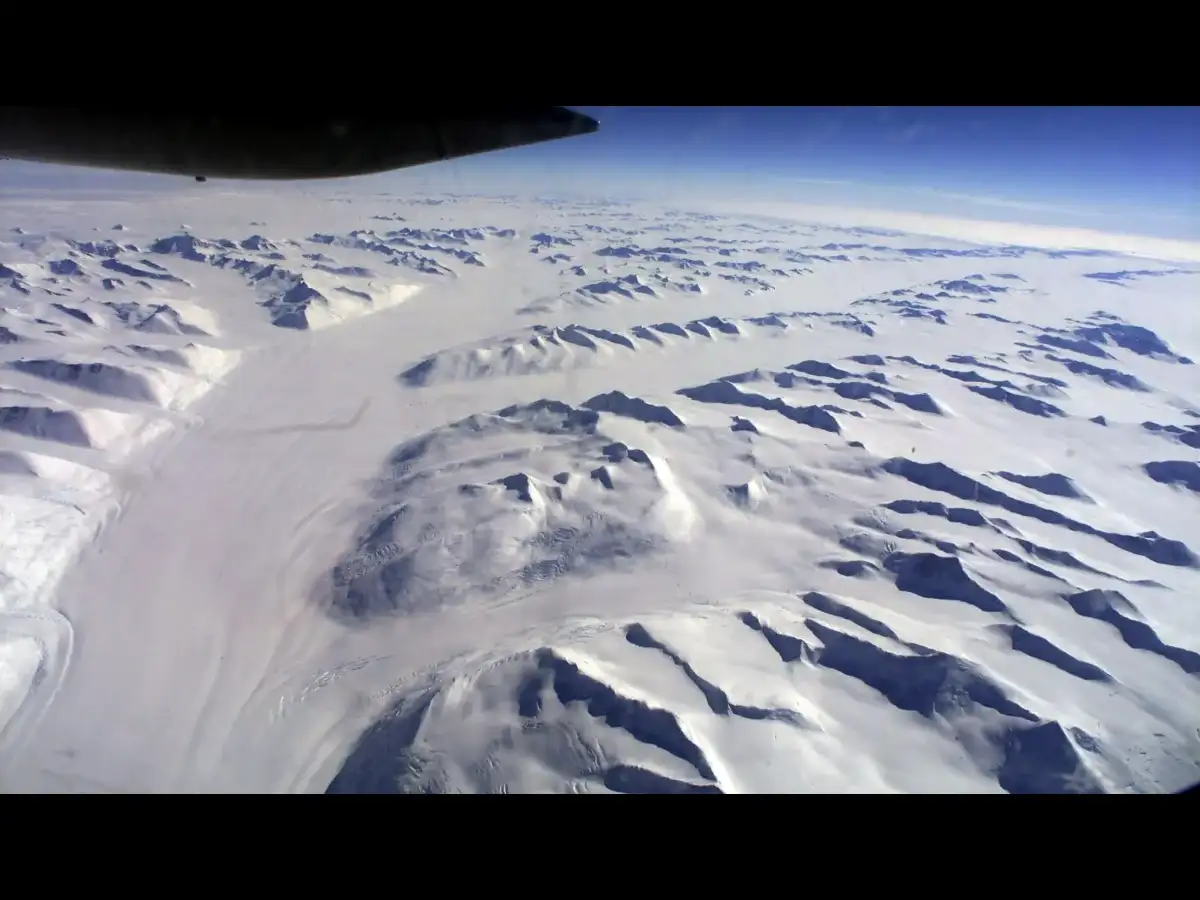
Antarctica has briefly defied its long-term ice-loss trend, gaining about 695 billion tons of mass between July 2021 and April 2023. Scientists now say the explanation did not begin at the South Pole. Instead, unusually warm tropical ocean waters thousands of miles away helped set off a chain of atmospheric changes that delivered exceptional snowfall to East Antarctica. The key player was a Rossby wave train, a large-scale atmospheric pattern capable of carrying the influence of distant weather disturbances across enormous distances. The new findings do not mean Antarctica has entered a lasting recovery. Researchers say the ice gain was temporary and largely reflected natural climate variability. Still, the study reveals how closely connected the tropics and polar regions can be - and why understanding those links matters for future sea-level projections.
WHAT IS A ROSSBY WAVE TRAIN?