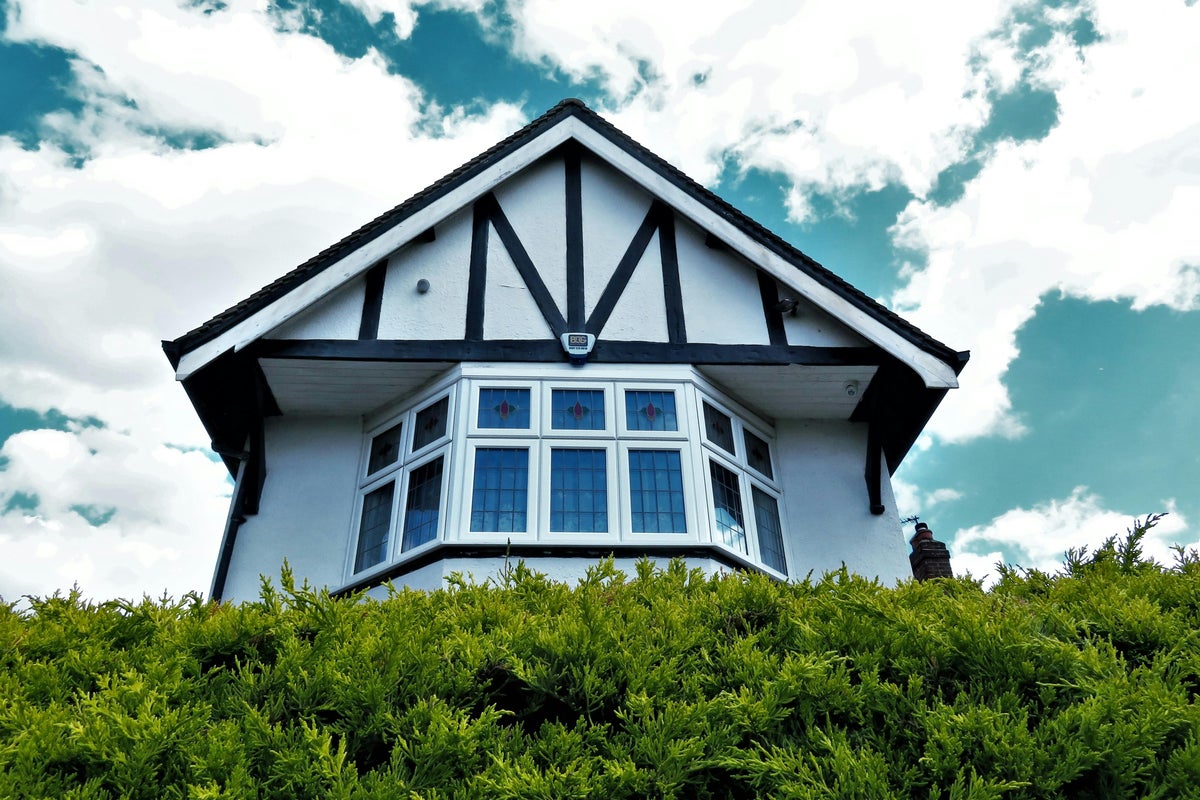
A bay window projects outward from the wall of a home, creating extra floor space inside and a broader outlook onto the outside. Typically made up of a larger central pane with two side windows set at an angle, it forms a gentle curve or faceted shape that lets in more natural light than a standard flat window.
Long associated with Victorian and Edwardian homes, bay windows remain popular because they can make a room feel bigger, brighter and more characterful. They can also boost kerb appeal and create useful extra space for seating, storage or simply a more open feel. The trade-off is that they are usually more complex and costly to install than standard windows, so it is worth weighing up the benefits, drawbacks and likely price before deciding whether one is right for your home.
Get a free quote for new windows
Use our comparison tool to get a free quote on new windows from some of the UK’s leading installers.
What materials are bay windows made from?
Like most modern window types, bay windows are available in three main materials:
- uPVC – the most affordable option at around £2,250 per unit, low-maintenance and widely available.
- Aluminium – a mid-range choice at around £4,500 per unit, offering a sleek modern finish and good durability.
- Timber – the premium option at around £6,700 per unit, with a traditional aesthetic that suits period properties, but requiring regular maintenance.
Because bay windows are large and complex to install, prices are usually given per unit, rather than for a full property. It would be unusual — and very expensive — to have every window in a home as a bay.
Read more: Get free double-glazing window quotes
How much do bay windows cost?
Bay windows are among the most expensive types of windows because they effectively combine three (or more) windows into a single unit. A typical bay will include one central pane with two angled side panes, though costs vary by size, material, and glazing choice.
On average, homeowners can expect to pay:
- uPVC bay windows – from £2,250 per unit
- Aluminium bay windows – from £4,500 per unit
- Timber bay windows – from £6,700 per unit
How Long Do Bay Windows Last?
- uPVC: around 20–25 years with minimal upkeep.
- Aluminium: up to 45–50 years, resistant to warping or rot.
- Timber: 40+ years if properly maintained with regular painting or varnishing.
The larger structure of a bay means that installation quality is critical — poor fitting can shorten the lifespan and lead to draughts.
Are bay windows energy efficient?
When newly installed, bay windows are as efficient as other double-glazed designs, keeping the heat in while letting in natural light. Over time, however, older timber bays may become draughty as the frames shift or degrade.
Bay windows also let in a lot of solar heat gain during summer, which can be uncomfortable in heatwaves. That said, modern glazing options and blinds can help manage this.
In winter, as the windows age, they may become more draughty. No matter how well they are installed, windows are a place where heat escapes from homes, although there are ways to minimise this.
Material |
Casement cost for an average 3-bed |
Bay cost per window |
Sash cost for an average 3-bed |
Tilt and turn cost for an average 3-bed |
Bow cost per window |
uPVC |
£4,500 |
£2,250 |
£6,500 |
£5,900 |
£2,250 |
Timber |
£14,000 |
£6,700 |
£18,000 |
£18,000 |
£6,700 |
Aluminium |
£9,600 |
£4,500 |
N/A |
£12,000 |
£4,000 |
What styles of bay windows are available?
There are two main types of bay windows commonly fitted in UK homes:
- Splay bay windows – the most common style, with side panes set at around a 45° angle to the central pane.
- Box bay windows – built at a 90° angle, forming a square “box” shape that protrudes from the property.
Bay windows can incorporate different opening styles, typically sash windows or casement windows, depending on the property and homeowner’s preference.
Bay window seating ideas
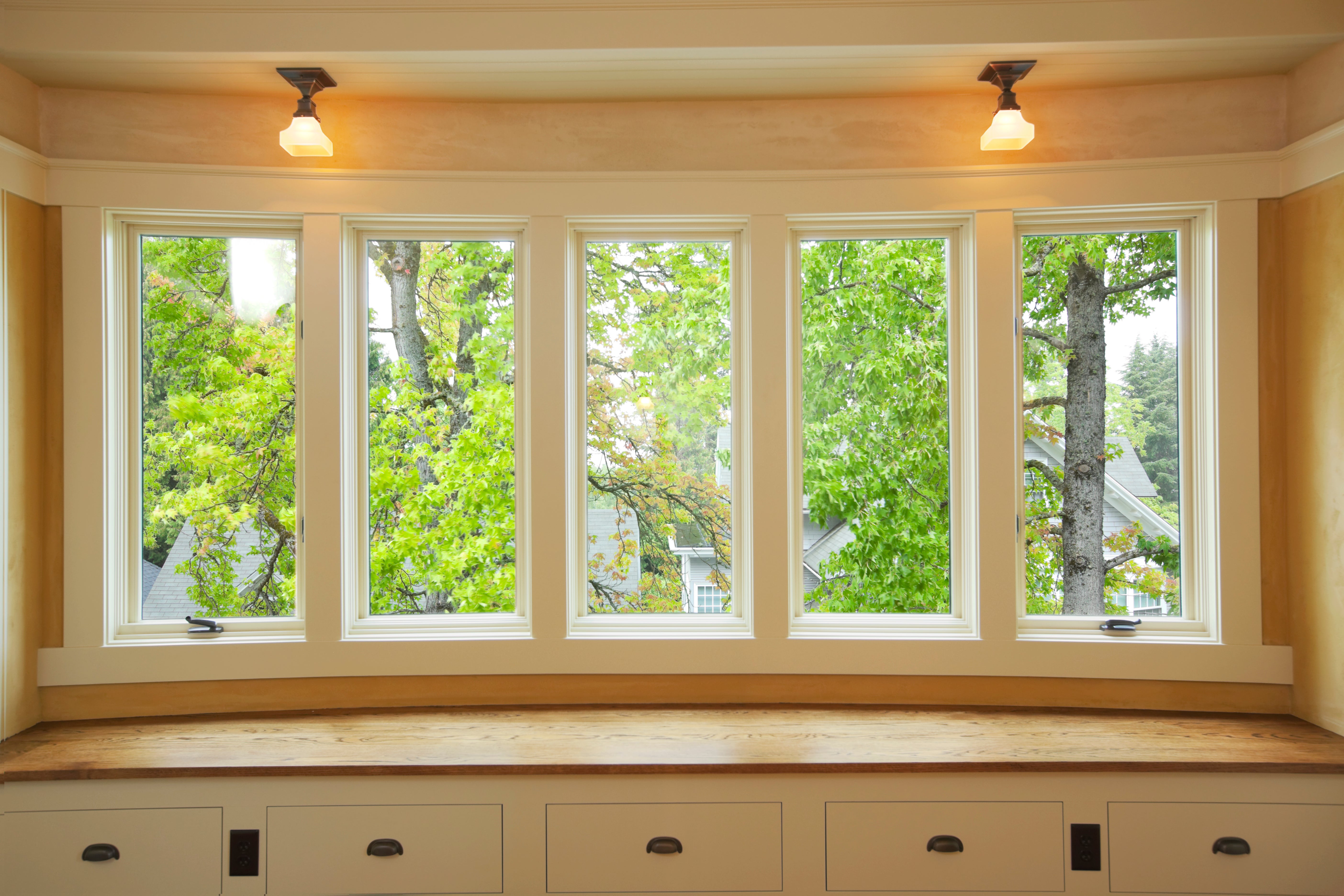
A bay window can be a natural place to build in extra seating, especially in a living room or bedroom where you want to make the most of the alcove it creates. A fitted window seat is often the most popular option, as it can turn the area into a reading nook while also doubling as hidden storage for blankets, toys or shoes. If a built-in design is not practical, a slim bench or two smaller armchairs can also work well.
To make the space feel comfortable rather than awkward, it helps to tailor the seating to the shape and depth of the bay. Soft cushions, a made-to-measure seat pad and side shelving can make the area feel more intentional, while keeping the furniture low enough helps preserve the light and outward view that make bay windows so appealing in the first place.
Should I add curtains, blinds or shutters to a bay window?
Curtains, blinds and shutters can all work well on a bay window, but the right choice depends on the look you want and how much light control or privacy you need. Curtains can soften the space and suit more traditional interiors, especially when hung across the full width of the bay. Blinds often give a neater, more contemporary finish and can be easier to fit to individual panes.
Shutters are usually the most expensive option, but they can be very effective on bay windows because they follow the shape of the projection and give a clean, built-in look. They can also offer a good balance of privacy and daylight. Ultimately, it comes down to your room and to your tastes. Blinds or shutters may make more sense where space is tight, while full-length curtains can work best if you want to emphasise height and create a more decorative focal point.
How do bay windows compare to bow windows?
Bay windows and bow windows are similar in that both project outward from the wall of a property, helping a room feel lighter, larger and more open. The main difference between them is their shape. A bay window usually has three sections: a large central pane with two angled side windows. A bow window is typically made up of four or more panels, creating a gentler curve.
Because bow windows use more panes of glass and tend to have a softer, more rounded appearance, they are often associated with a more decorative look. Bay windows usually appear a little sharper and more structured, which can suit period homes as well as modern properties. In practical terms, bay windows are often the more common and sometimes more affordable option, while bow windows may cost more because they are larger and more complex to manufacture and fit.
How to choose the right bay window design for your home
The right bay window design will depend on your property style, budget and how you want the space to function. For example, a traditional canted bay window may suit a Victorian or Edwardian home, while a box bay can work well on more modern properties where cleaner lines are preferred. It is usually best to choose a design that complements the age and proportions of your home rather than fighting against them.
You should also think about frame material, glazing and how the window will be used day to day. uPVC is typically the cheapest option, while timber can be more expensive but may better suit period properties. If energy efficiency and security are your priorities, look for modern double or triple-glazing and good locking systems. For homeowners replacing an existing bay, matching the original style can also be important, especially in conservation areas or on older homes.
Bay window pros:
- More natural light – their projection design floods rooms with daylight, boosting mood and reducing reliance on artificial lighting.
- Extra space – the alcove they create inside the room can be used for seating, storage, or decorative purposes.
- Kerb appeal – bay windows are a striking architectural feature that can add character and value to a property.
Bay window cons:
- Cost – significantly more expensive than standard flat windows.
- Temperature control – can let in excess heat in summer and become draughty in winter if poorly maintained.
- Complex installation – requires skilled fitting, which can add to both time and expense.
Best bay window fitters
The best bay window fitter for your home will often depend on the size and complexity of the job, your budget and whether you want a national brand or a trusted local installer. Large firms like Anglian, Everest, Britelite, Zenith and Safestyle are established brands that offer bay window replacements with strong guarantees and the right certification. If you are comparing providers, it is worth reading our guide to the best double-glazing window companies and fitters in the UK for more information before requesting quotes.
For bay windows in particular, it is worth getting at least three quotes and asking whether the company has handled similar projects before, as bay installations can be more complex than fitting a standard flat window. Check whether your quote includes structural work if needed, whether the installer is FENSA-registered or equivalent, and what warranty is offered on both the frames and the installation itself.
What to look for in a bay windows quote
Once you’ve decided to buy your windows, you’ll want to get a few quotes together. You can use our expert tool to get prices in your area.
Your quote will be influenced by a few different factors including: how many windows you want, their shape and location, what materials you have chosen, and where you are in the country.
Windows will cost you more in London because the area commands higher wages for tradespeople, for instance.
Firstly, you will want to go through the quote with a fine-tooth comb. What have they included? Has anything been missed out? Is scaffolding in there? Do you need scaffolding? How long have they quoted for? Is that enough or too long?
Does the quote include the finish, colour, locks and handles you asked for?
If you have opted for in-house financing, which you should probably try to avoid since it will be more expensive than other loans, is the deal exactly as the salesperson described?
If there are any discrepancies between what you asked for and what’s in the quote, raise that now and use it as leverage for a discount. If the detail is not there, ask for it.
You will also want to check exactly what the guarantee covers so you can compare it to other deals.
How to get the best price for your new bay windows?
In a word, haggle. There are hundreds of window fitters in the UK and there will be dozens in your area. If you offend one by asking for a cheaper price, so what? Be bold.
Haggling is something of a lost art in the UK, since so much is bought online or in shops where no room for negotiation is allowed.
But for big purchases like cars, homes, windows and renovations, it can save you thousands of pounds.
The key thing is to understand your own priorities and those of the fitter.
Double glazing windows guide - how much should it cost?
The best double glazing companies in 2025
What are sash windows? UK costs, how they work, and pros and cons
These natural materials can help keep your home warmer in winter and cooler in summer
Five spots where home security cameras work best to prevent theft