
The biology that made this harder than anyone admitted publicly
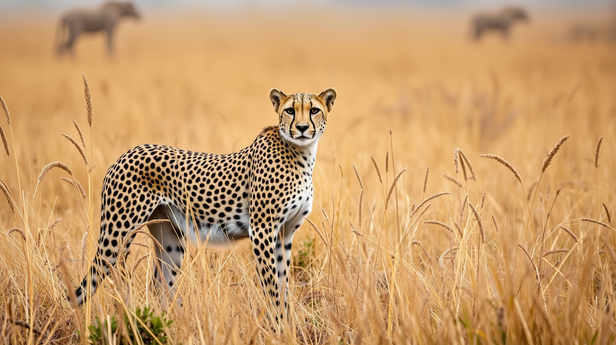
The African cheetah (Acinonyx jubatus) is not the same animal as the Asiatic cheetah (Acinonyx jubatus venaticus) that once ranged across India. The subspecies diverged genetically tens of thousands of years ago. When the Wildlife Institute of India and the National Tiger Conservation Authority selected African cheetahs from Namibia and South Africa for reintroduction, they were working with an animal that had never encountered Indian prey species, Indian vegetation density, or Indian disease vectors. That distinction matters enormously. A cheetah's hunting strategy depends on open sightlines, it detects prey visually, accelerates to speeds of up to 112 km/h in short bursts, and relies on a sprint that lasts no more than 20 to 30 seconds before the animal risks fatal overheating. Kuno's mixed forest and tall grass corridors are structurally different from the Namibian savanna these cats were sourced from. Several of the early mortalities were linked to septicaemia from wounds, a consequence, researchers noted, of the cats' unfamiliarity with Indian scrub terrain and the injuries sustained moving through it.