The 196 countries meeting for the UN Convention on Biological Diversity conference (COP15) in Montreal, Canada, are negotiating a new set of targets for reversing the loss of Earth’s biodiversity. They have set themselves a formidable challenge: ensuring humanity is “living in harmony with nature” by 2050.
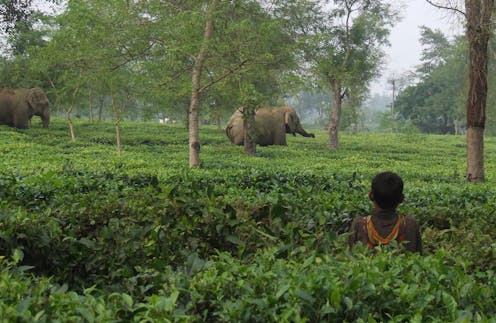
As part of this aim, and for the first time in an international agreement, nations are also being asked to work towards resolving human-wildlife conflict. When Swiss farmers fear losing livestock to rebounding wolf populations or the return of tigers threatens communities in Nepal, conservation can reach an impasse. These conflicts magnify the costs of biodiversity to local people – and, when left unresolved or handled badly, fuel tensions that erode support for protecting nature more broadly.