
My maternal grandmother, Chik Chi Ming, left her family in Shandong, China, in the 1940s after her mom “gifted” her to a friend in Hong Kong whose family had died in the Second World War. My paternal grandmother, Fong Kwai Ying, moved from southern Guangdong to Hong Kong when she was a newlywed and later found work there. Like many other mainland newcomers at the time, my grandmothers’ cultural identities remained largely tied to their home provinces for most of their lives.
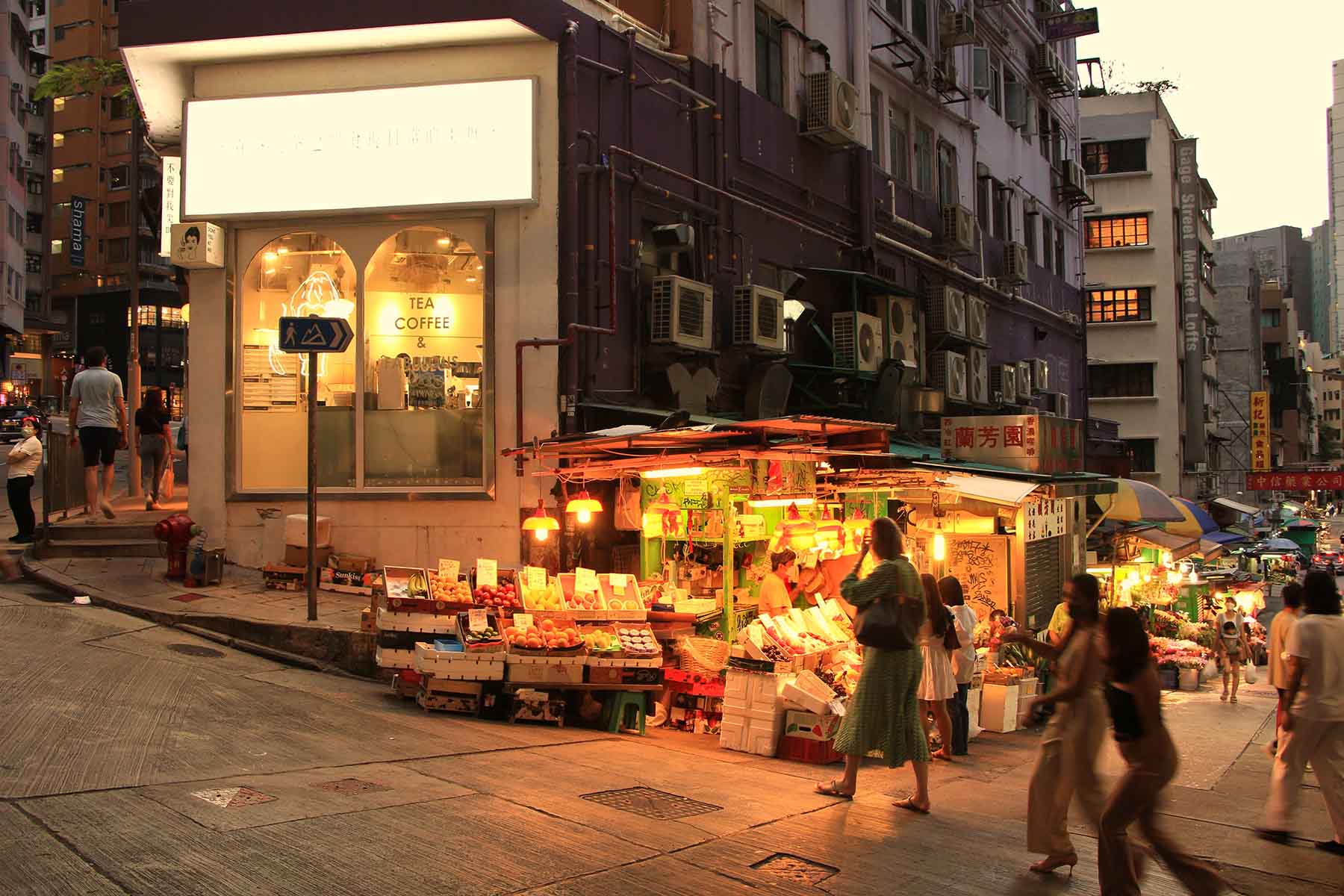
A distinct Hong Kong identity started forming as early as the 1960s, though it has largely “resisted definition,” says Helena Wu, Canada research chair in Hong Kong studies and an assistant professor at the University of British Columbia. If you consider yourself a Hong Kong person today, what that means largely depends on whether you speak Cantonese, Sindhi, English, or Mandarin as your first language; whether you studied at a local or international school there; whether you grew up near the rolling hills and seascapes of the city’s affluent central and western districts, the gritty urban neighbourhoods of Kowloon populated by neon signs and cha chaan tengs, or the city suburbs flanked by farmland and mainland China. Your understanding of what it means to be a Hong Konger may have transformed several times in your life, depending on which era you came of age in.














