
Get all your news in one place.
100’s of premium titles.
One app.
Start reading
GOBankingRates
GOBankingRates
Tobi Opeyemi Amure

What Does Buffett’s Berkshire Latest Buy Say About the AI Bubble?

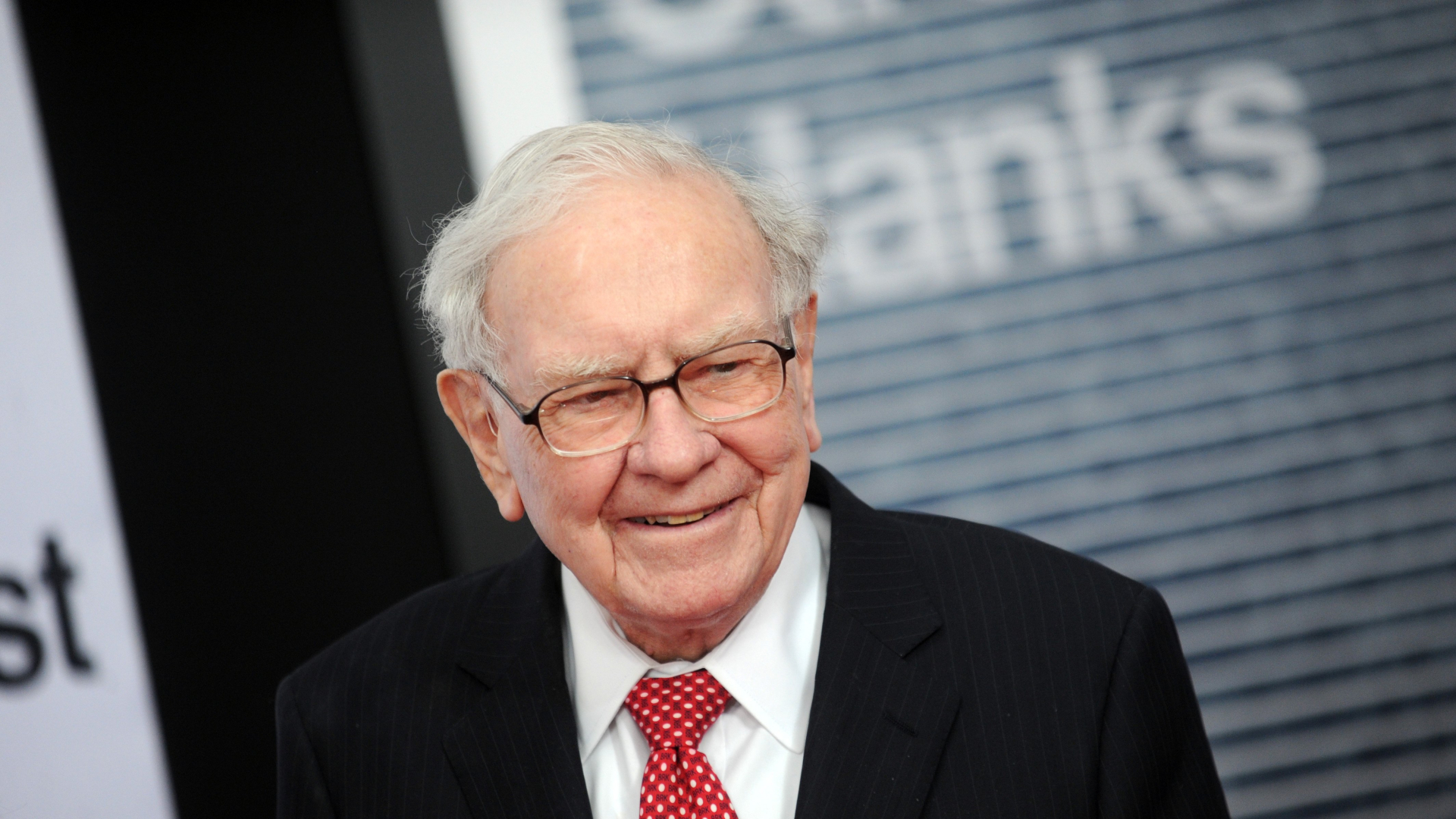
SMG/SMG via ZUMA Wire / Shutterstock

Warren Buffett’s latest move, loading up Berkshire Hathaway shares in Alphabet, directly signals how he views a potential AI bubble today. Rather than denying bubbly conditions, Buffett is effectively saying the bubble, if it bursts, will punish fragile AI stories more than dominant, cash-generating platforms.​

Read More: Warren Buffett’s Berkshire Hathaway Bought Over $73 Million in Shares of This Tech Company — Here’s Why

Find Out: 6 Safe Accounts Proven To Grow Your Money Up To 13x Faster

According to Fortune’s report, Berkshire quietly built a roughly $4.3 billion Alphabet stake during the third quarter, even as headlines warned of overheated AI valuations. That timing matters because the position was accumulated before Alphabet’s latest rally, implying Berkshire wanted AI exposure at a value-like multiple instead of chasing momentum at any price. In other words, Buffett is not dismissing bubble risk; he is threading the needle between recognizing froth and still owning the companies most likely to survive an eventual shakeout.

Berkshire’s Buy as a Bubble Call

Berkshire’s Alphabet bet seemingly comes “despite AI bubble fears,” acknowledging that worries about overvaluation are not just fringe chatter. CNBC reports that Buffett’s choice to invest in Alphabet comes as discussions about the AI bubble intensify. This decision highlights his inclination towards cash-rich platforms rather than speculative investments.

Taken together, these reports suggest Buffett sees the AI boom as a classic case where some stocks may be grossly overpriced, but the entire theme is not doomed. By picking Alphabet, whose ads and cloud businesses bring in a lot of money, Berkshire seems to be hinting at something — even if the AI bubble bursts, companies with strong defenses and multiple sources of income can still make more money.

Cash Hoard Underscores Caution

While Berkshire is buying Alphabet, it is also hoarding an enormous pile of cash and Treasurys, a posture that directly reflects unease about stretched valuations, including in AI. The Wall Street Journal and Forbes both note that Berkshire’s cash and equivalents are well north of $300 billion, giving the firm ammunition to buy if a broad tech or AI selloff finally hits.

CNBC called Berkshire a “cash fortress” that has recently closed the performance gap with the S&P 500, even though Wall Street is worried about AI. This shows that Buffett is OK with falling behind during times of economic growth. Investors should anticipate volatility in AI names and be ready to move cash when excitement wanes rather than waiting for late-cycle returns.

Trimming Apple While Adding Alphabet

Berkshire cut its Apple position by about 15 percent in the same quarter it initiated the big Alphabet buy, a notable rebalancing within its tech-heavy holdings, according to Bar Chart. Analysts quoted in that coverage say the Apple trim looks more like valuation discipline than an indictment of the iPhone maker, but the switch still tightens Berkshire’s focus on AI infrastructure and software platforms.

CNBC’s AI bubble coverage notes that big investors are increasingly distinguishing between companies lightly exposed to speculative AI spending and those at the center of the hype cycle. Berkshire’s shift indicates a strategy of keeping Apple as its largest holding. Meanwhile, it is investing in Alphabet, indicating that both may gain from the AI surge, with Alphabet giving greater upside if excitement cools. ​

Picking Survivors, not Speculators

According to The Motley Fool, Alphabet exhibits Buffett’s typical traits: a strong brand, stable cash flows, and a clear path to monetize AI through cloud and advertising, rather than merely experimental products. Buffett could be betting on an “economic moat” around Google’s AI ecosystem, expecting it to widen even if speculative AI valuations deflate.​

By contrast, Reuters and CNBC coverage show rising concerns around more narrowly focused AI names whose revenues depend heavily on continued funding and exuberant expectations. Berkshire’s conspicuous absence from those stocks, even as it embraces Alphabet, is a direct judgment that many pure-play AI winners today could prove to be bubble casualties tomorrow.​

What Does it Mean for Regular Investors?

Some of the market’s biggest players now openly discuss an “AI bubble,” yet many remain fully invested in select leaders. Buffett’s strategy aligns with that camp: acknowledge the bubble risk, but respond by concentrating on high-quality AI beneficiaries, maintaining huge liquidity, and avoiding the frothiest corners altogether.

For everyday investors, Berkshire’s latest buy sends a direct signal that AI is too powerful to ignore, but too risky to chase indiscriminately. Following that strategy means focusing on companies with multiple business lines that are profitable and have a lot of cash on hand. It also means having cash on hand in case of turbulence and acknowledging that not all AI stocks that are rising today will be around when the bubble breaks.

More From GOBankingRates

This article originally appeared on GOBankingRates.com: What Does Buffett’s Berkshire Latest Buy Say About the AI Bubble?

Sign up to read this article
Read news from 100’s of titles, curated specifically for you.
Already a member? Sign in here
Related Stories
Top stories on inkl right now
One subscription that gives you access to news from hundreds of sites
Already a member? Sign in here
Our Picks
Fourteen days free
Download the app
One app. One membership.
100+ trusted global sources.