
Get all your news in one place.
100’s of premium titles.
One app.
Start reading
Kids Ain't Cheap
Kids Ain't Cheap
Catherine Reed

What Are the Real Costs of “Gentle Parenting”?

What Are the Real Costs of “Gentle Parenting”?

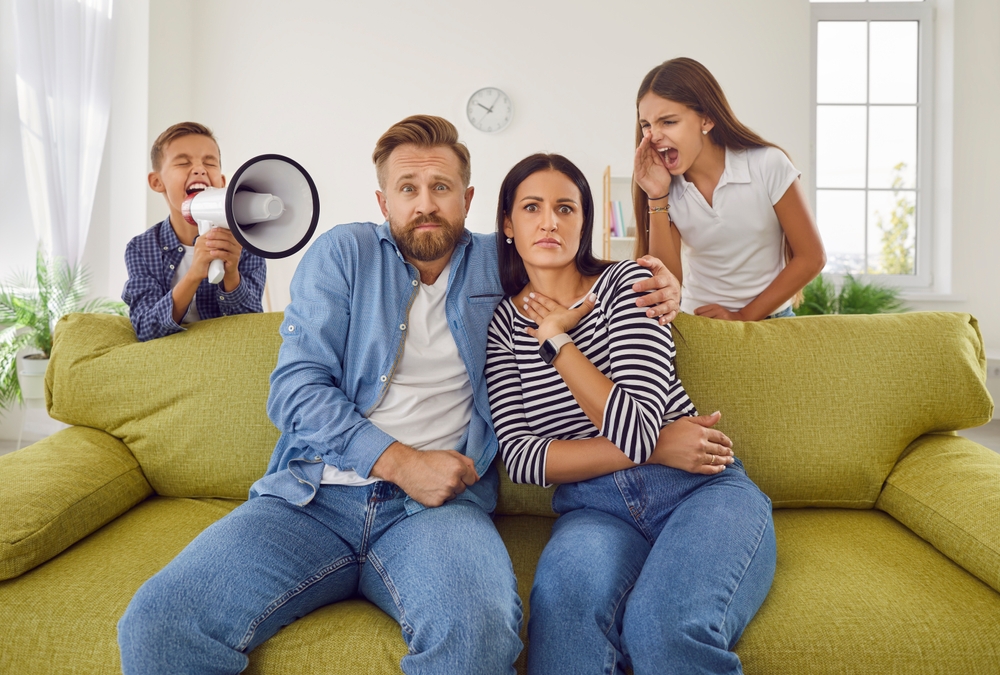
Image source: shutterstock.com

Gentle parenting has become one of the most discussed child-rearing philosophies in recent years, praised for its emphasis on empathy, respect, and emotional intelligence. Social media influencers, parenting coaches, and child psychologists often promote it as the gold standard for modern families. But behind the ideal of peaceful conversations and patient correction lies a more complex reality that many parents are reluctant to discuss—the financial, emotional, and time-related costs that come with this approach. Understanding these real costs of gentle parenting can help families decide whether the philosophy aligns with their values, schedules, and financial realities.

1. Time Costs: Gentle Parenting Takes Patience You Have to Budget

One of the biggest hidden expenses of gentle parenting is time. The approach asks parents to avoid quick punishments or “because I said so” responses, instead encouraging long conversations about feelings and consequences. For many working parents, finding that extra time in a packed schedule can be nearly impossible. When every tantrum becomes a teaching moment, the minutes quickly add up, often turning daily routines into emotional marathons. The result can be exhaustion and frustration, especially when parents feel they’re failing at something that looks effortless online.

2. Emotional Costs: The Pressure to Stay Calm All the Time

Another underestimated cost of gentle parenting is the emotional strain it places on adults. Parents are encouraged to remain calm, patient, and validating even during moments of extreme stress or defiance. While this sounds admirable, it can leave parents feeling emotionally drained or guilty when they inevitably lose patience. The philosophy can sometimes promote an unrealistic image of “perfect” parenting, setting parents up for burnout. It’s important to recognize that even with gentle parenting, emotional limits are normal and healthy.

3. Financial Costs: Therapy, Classes, and Expert Advice Add Up

Many advocates of gentle parenting rely on professional resources like parenting coaches, child therapists, or specialized books and workshops. While these can be valuable, they also come with financial costs that aren’t often discussed. Online courses and consultations can range from $50 to several hundred dollars, and private therapy sessions for families or children can quickly add up. Even recommended toys and tools—like emotion flashcards or “calm down corners”—can become pricey over time. Families should evaluate whether these expenses genuinely enhance their parenting or simply add unnecessary financial pressure.

4. Relationship Costs: When Parenting Styles Clash

In many households, not both parents fully embrace gentle parenting. When one partner prefers traditional discipline while the other insists on non-punitive methods, it can create tension and confusion for both the adults and the child. Teachers and caregivers may also struggle to adapt when parents expect a specific approach that differs from the school’s policies. These conflicts can lead to arguments about consistency, authority, and who’s “doing it right.” The emotional toll of these disagreements is one of the more hidden costs of gentle parenting.

5. Social Costs: Facing Criticism from Family and Friends

Grandparents and older relatives often have strong opinions about discipline, and gentle parenting can clash with those long-held beliefs. Parents may find themselves defending their choices at family gatherings or fielding unsolicited advice about being “too soft.” This social friction can make parents feel isolated or judged, even when they’re confident in their philosophy. For some, the emotional labor of constantly explaining their methods becomes exhausting. Understanding that not everyone will agree can help reduce this social pressure.

6. Educational Costs: When Teachers Expect Different Discipline

The principles of gentle parenting don’t always align neatly with the structure of classrooms. Teachers may expect children to follow directions quickly or accept consequences without lengthy explanations, which can clash with what kids experience at home. This disconnect can cause confusion or frustration for children who are used to negotiation and emotional validation. Parents may find themselves spending extra time communicating with teachers or attending conferences to clarify expectations. Balancing gentle parenting at home with practical discipline at school is often a delicate act.

7. The Guilt Factor: When Gentle Parenting Feels Impossible

One of the hardest realities about gentle parenting is that it can make parents feel like failures when life gets overwhelming. Financial stress, lack of sleep, or a child’s special needs can make constant calmness unrealistic. Many parents end up blaming themselves for not living up to the ideal. The guilt can be heavy, especially when online communities frame every meltdown as a “missed opportunity” for connection. True success with gentle parenting often means letting go of perfection and doing your best with the resources you have.

8. Long-Term Payoffs: The Investment May Still Be Worth It

Despite the real costs of gentle parenting, many families find that the long-term benefits outweigh the short-term struggles. Children raised with consistent empathy often develop stronger communication skills and emotional awareness. Parents report fewer power struggles and a deeper sense of mutual respect over time. Like any investment, the returns come later—and they require consistent effort and patience. The key is to tailor the approach to your family’s reality, not an influencer’s highlight reel.

Weighing What “Gentle” Really Means for Your Family

Gentle parenting can be a beautiful philosophy, but it’s not a one-size-fits-all solution. Every family has limits—of time, money, and emotional energy—and acknowledging those limits doesn’t make you less loving. The real costs of gentle parenting are worth considering before fully committing, especially if the stress outweighs the benefits. Ultimately, the goal is to raise kind, respectful kids while maintaining a balanced, healthy home environment. Parenting gently should never mean parenting at your own expense.

Do you think gentle parenting is sustainable for most families, or is it an ideal that only works in theory? Share your thoughts in the comments below!

What to Read Next…

Is Gentle Parenting Creating Entitled Kids—or Building Strong Character?

The One Gentle Parenting Trick That Changed Everything

Is Gentle Parenting Just Code for Letting Kids Do Whatever They Want?

Parents, Listen Up! 12 Gentle Parenting Fails and the Fixes That’ll Change Your Life

6 Ways Birth Order Still Affects Parenting Today

The post What Are the Real Costs of “Gentle Parenting”? appeared first on Kids Ain't Cheap.

Sign up to read this article
Read news from 100’s of titles, curated specifically for you.
Already a member? Sign in here
Related Stories
Top stories on inkl right now
One subscription that gives you access to news from hundreds of sites
Already a member? Sign in here
Our Picks
Fourteen days free
Download the app
One app. One membership.
100+ trusted global sources.







