
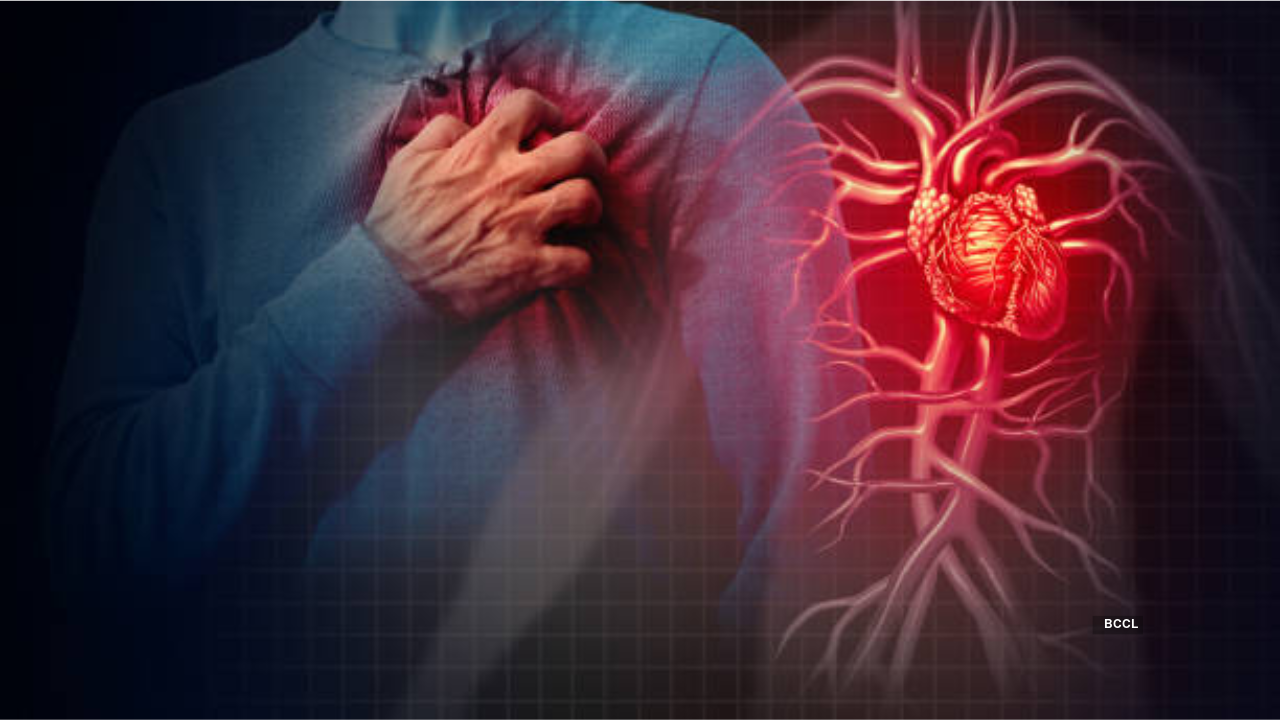
Heart disease stands as a prominent cause of mortality in both men and women. The initiation of this condition may commence in childhood, progress inconspicuously over time, and culminate in an unexpected and frequently fatal heart attack. It is ill-advised to wait for symptoms to surface before embracing proven measures to reduce risks. Cardiovascular disease affects both genders almost equally on an annual basis.
Many women might not be aware that heart disease poses a substantial risk to them, akin to men. Identifying symptoms in women can be challenging, as they may deviate from those observed in men, often leading to a diagnosis in the later stages of the disease. Traditional symptoms of heart disease encompass chest pain, breathing difficulties, dizziness, and swelling in the legs and feet. Nevertheless, women may encounter atypical symptoms such as profound fatigue, jaw pain, palpitations, cold sweats, heavy arms, and anxiety.














