
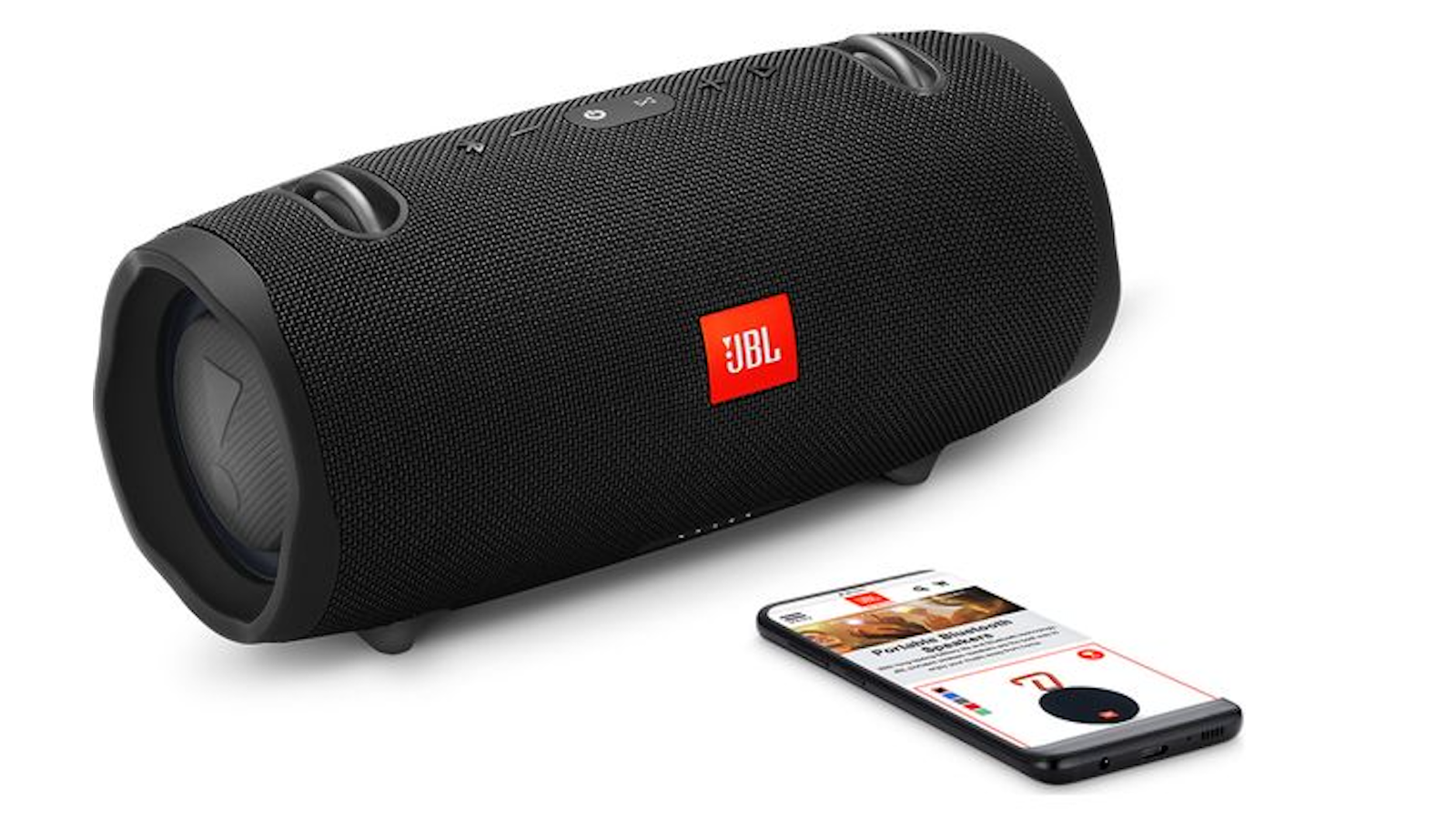
Bluetooth is everywhere: in phones, headphones, speakers, TVs, games consoles and smartwatches, not to mention gloves, rings and soccer balls (yes really). If it is powered, the chances are it uses Bluetooth. This ubiquitous technology lets devices communicate with each other wirelessly, so you can send fitness data, images and – most importantly – music through the air, no wires necessary.
But which Bluetooth codec is at play significantly affects the sound quality you'll get between your outputting source device (phone, for example) and your receiving music-playing device (headphones, say). You see, different Bluetooth codecs have different bitrates and methods of compressing and processing data during wireless transmission, so if you want to play music over Bluetooth devices in the best possible quality, you will need to use a higher-quality codec than the 'standard' AAC and SBC ones (we'll go through those shortly).