
Image Source: Pexels
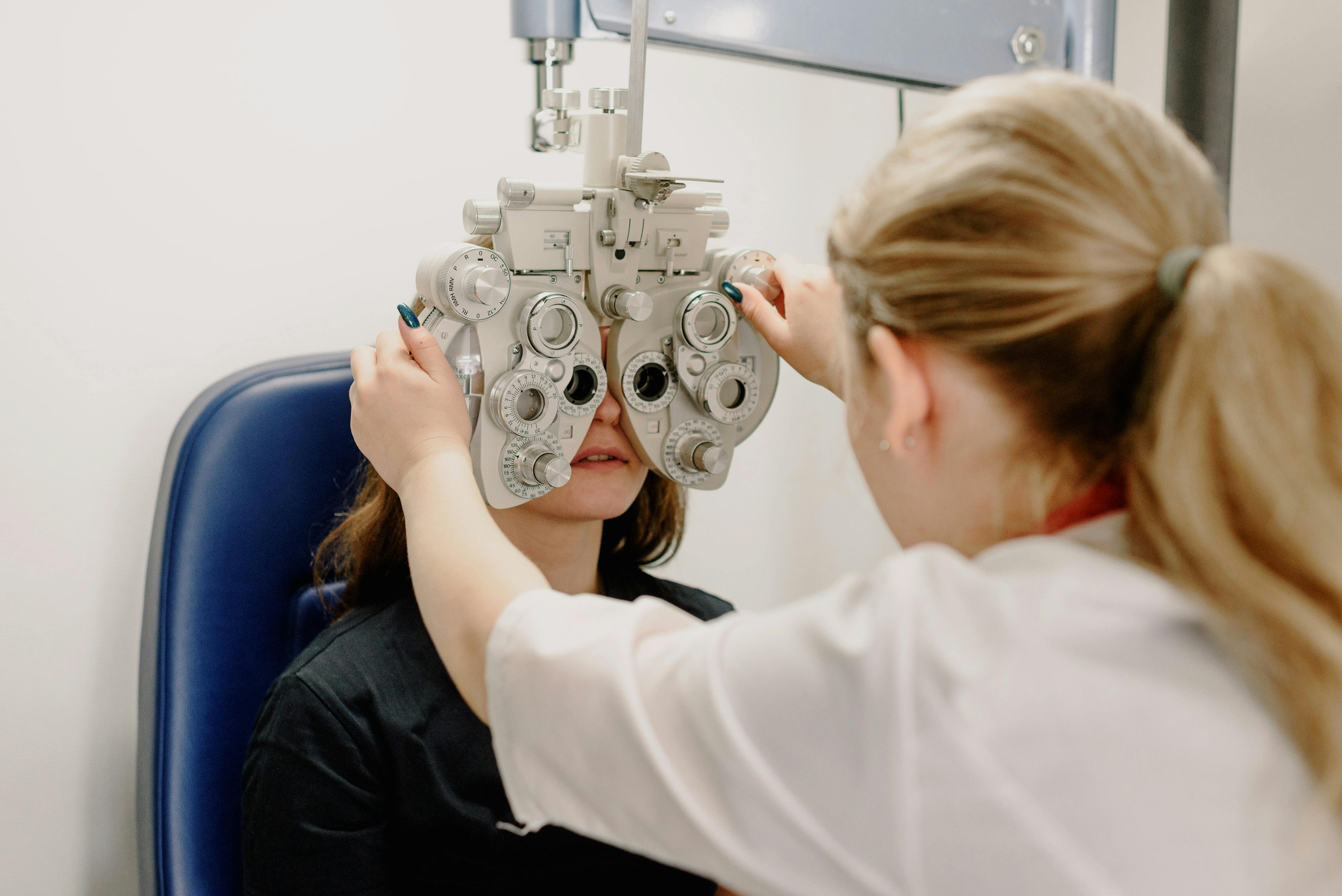
Your eyes can offer clues about more than how clearly you see. When going through a comprehensive eye exam, some issues, like changes in the retina, blood vessels, optic nerve, and cornea, can sometimes point to diabetes, high blood pressure, glaucoma, or neurological problems.
That makes an eye exam more than a vision check. It can give you an early reason to discuss a possible health issue with the right medical professional.
Look Beyond Your Prescription
Modern eye exams can combine several tests to give you a clearer picture of what is happening inside your eyes and what it is telling you. Fundus photography, for instance, can capture the retina and its blood vessels, while optical coherence tomography, or OCT, creates detailed cross-sectional images of retinal and optic nerve structures.
Also, if you want to understand the technology involved in these assessments, some experts like those from Ferris Optical can give you a clearer walk-through, like an overview of equipment used for OCT, fundus imaging, and corneal topography. These are just some of the tools that can help clinicians document changes, compare results over time, and investigate findings that a basic vision test could miss.
Your Retina Can Reflect Blood Sugar
Diabetes is also one of the health challenges that can damage tiny retinal blood vessels, producing changes known as diabetic retinopathy. The CDC estimates that 9.6 million people in the United States had diabetic retinopathy in 2021, including 1.84 million with vision-threatening disease.
An eye exam may therefore reveal retinal damage before you notice major changes in your vision. The CDC also reports that more than 90 percent of diabetes related vision loss can be avoided through early detection and treatment.
Blood Pressure Leaves Visual Clues
Your retinal blood vessels are small, but they can show effects linked to uncontrolled blood pressure spikes. Even the American Heart Association is in the position that uncontrolled hypertension can damage retinal blood vessels, cause fluid to build up under the retina, and damage the optic nerve.
That does not mean an eye finding automatically diagnoses hypertension. Instead, an unusual retinal appearance can become a useful signal to discuss your blood pressure and overall cardiovascular health with your doctor.
The Optic Nerve Can Tell Another Story
Doing a comprehensive eye exam nowadays is one sure way to check your optic nerve, which transmits all visual information from the eye toward your brain. Glaucoma can damage this nerve gradually, often without noticeable symptoms during its early stages.
Some neurological conditions and other challenges can also produce visual field changes, abnormal eye movements, pupil changes, or optic nerve swelling. For example, papilledema can signal increased pressure inside the skull and may require urgent medical investigation.
Treat Your Eye Exam Like a Health Checkpoint
Actually, your eyes cannot really diagnose every systemic condition, and any unusual finding does not automatically mean a very serious health issue. Still, it is best to undergo regular comprehensive exams so you can uncover changes worth investigating before they become harder to manage.
So when you book your next eye exam, think beyond your glasses prescription. You are also giving a clinician a chance to examine one of the body's most visible windows into your health.