
Get all your news in one place.
100's of premium titles.
One app.
Start reading
The Conversation
The Conversation
Joseph L. Clarke, Associate Professor, History of Modern Architecture, University of Toronto

WeWork approached physical space as if it were virtual, which led to the company's downfall

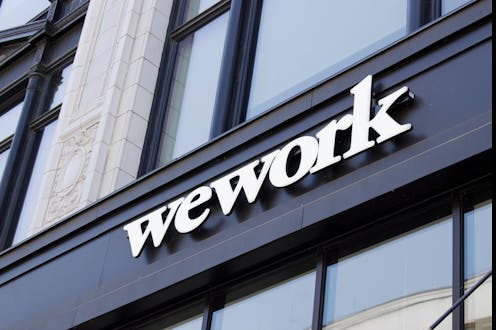
The pandemic shifted work patterns and reduced the need for space, including shared offices. (Shutterstock)

On Nov. 6, the co-working firm WeWork filed for bankruptcy. WeWork, founded by Adam Neumann and Miguel McKelvey in 2010, had a simple business model: it signed long-term leases on urban buildings, fitting them out with modern work facilities. Then, it rented out desks, offices and meeting rooms to companies and freelancers seeking an easy-come, easy-go workplace.

WeWork was, in short, in the office subleasing business.

Sign up to read this article
Read news from 100's of titles, curated specifically for you.
Already a member? Sign in here
Related Stories
Top stories on inkl right now
One subscription that gives you access to news from hundreds of sites
Already a member? Sign in here
Our Picks
Fourteen days free
Download the app
One app. One membership.
100+ trusted global sources.







