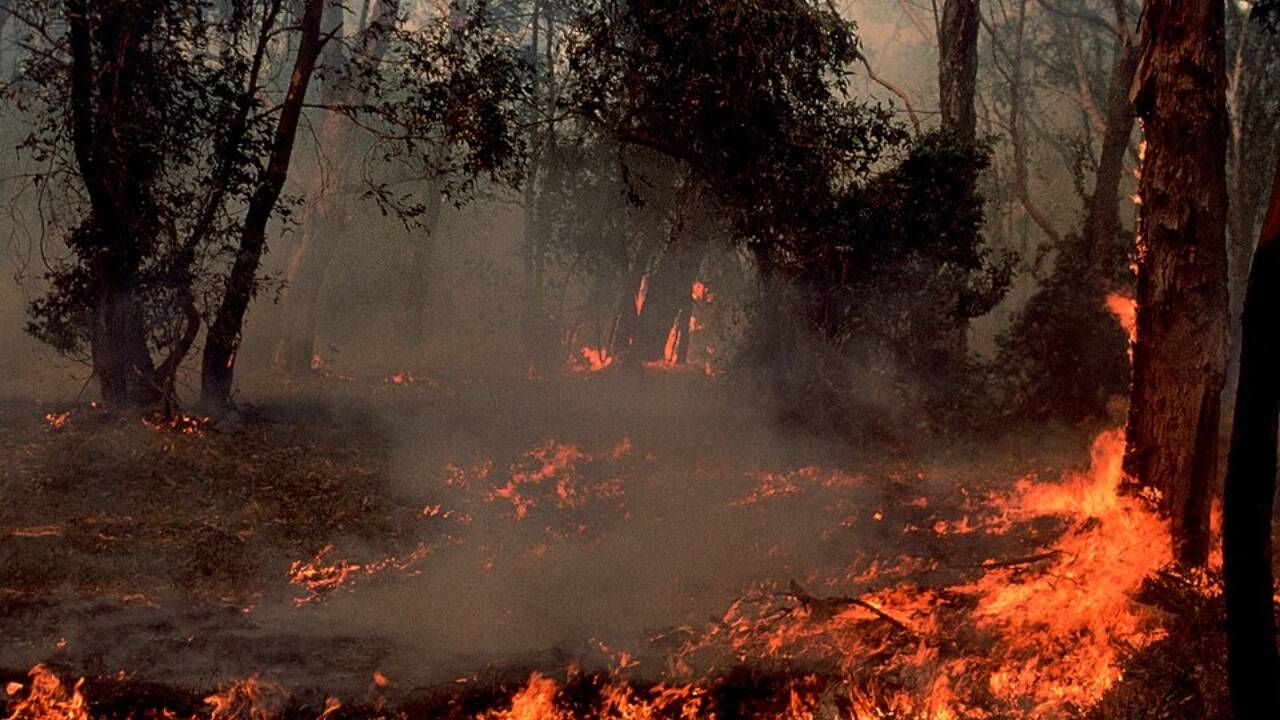
For decades, Western Australia has relied on one of the world’s largest prescribed burning campaigns to reduce the risk of bushfire, with the authorities intentionally burning around 200,000 hectares of forest every year. The government agencies argue that removing excess vegetation helps prevent larger, more destructive wildfires. Scientists, however, are increasingly questioning whether this long-standing practice comes at a hidden ecological cost. A new review published in the International Journal of Wildland Fire argues that while prescribed burning plays an important role in reducing fire risk, the scale and frequency of current practices might have substantial long-term consequences for biodiversity in one of the world’s most ecologically significant landscapes.
Get breaking news anytime, anywhere. Download the TOI app now!