Get all your news in one place.
100's of premium titles.
One app.
Start reading
The Conversation
The Conversation
Christine Siddoway, Professor of Geology, Colorado College

West Antarctica’s history of rapid melting foretells sudden shifts in continent’s ‘catastrophic’ geology

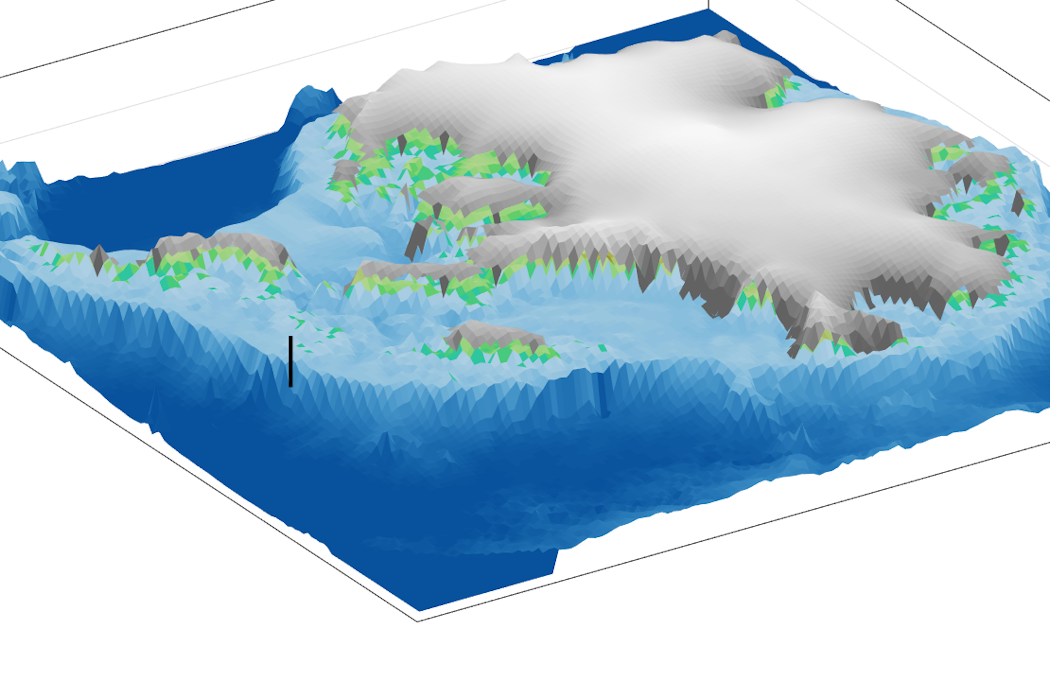
The ice that now covers West Antarctica was not there 3.6 million years ago, after a massive collapse of the ice sheet during a warming period. Anna Ruth Halberstadt, CC BY-NC-ND

Due to its thick, vast ice sheet, Antarctica appears to be a single, continuous landmass centered over the South Pole and spanning both hemispheres of the globe. The Western Hemisphere sector of the ice sheet is shaped like a hitchhiker’s thumb – an apt metaphor, because the West Antarctic ice sheet is on the go. Affected by Earth’s warming oceans and atmosphere, the ice sheet that sits atop West Antarctica is melting, flowing outward and diminishing in size, all at an astonishing pace.

Much of the discussion about the melting of massive ice sheets during a time of climate change addresses its effects on people. That makes sense: Millions will see their homes damaged or destroyed by rising sea levels and storm surges.

Sign up to read this article
Read news from 100's of titles, curated specifically for you.
Already a member? Sign in here
Related Stories
Top stories on inkl right now
One subscription that gives you access to news from hundreds of sites
Already a member? Sign in here
Our Picks
Fourteen days free
Download the app
One app. One membership.
100+ trusted global sources.