Get all your news in one place.
100's of premium titles.
One app.
Start reading
The Conversation
The Conversation
Mark Williams, Professor of Palaeobiology, University of Leicester

Welcome to the ‘Homogenocene’: how humans are making the world’s wildlife dangerously samey

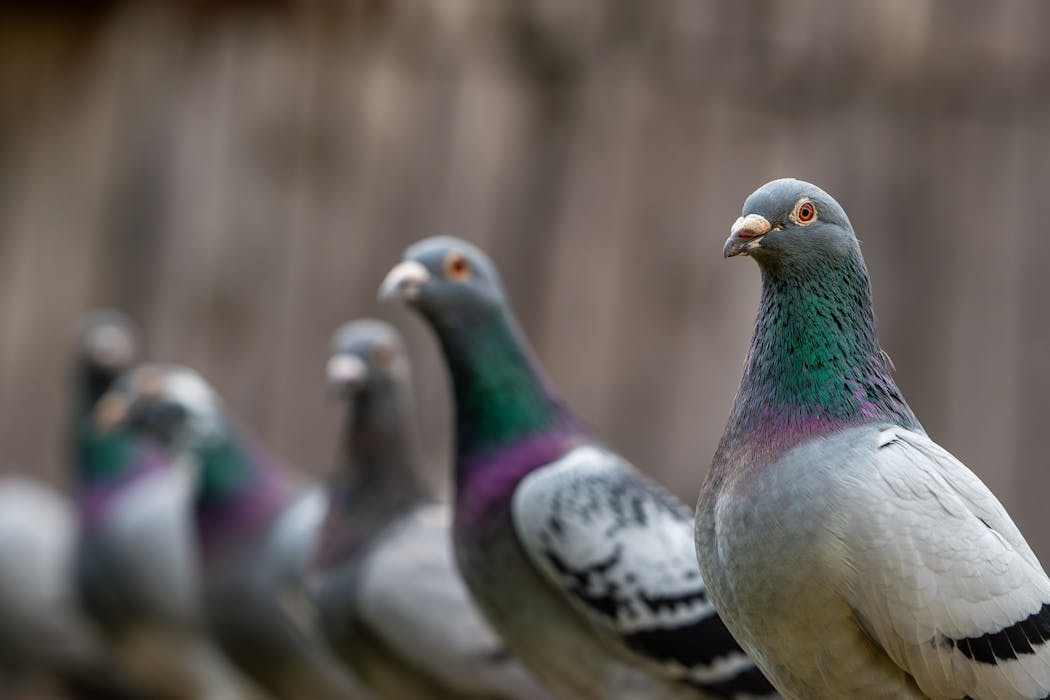
Pigeons are well-suited to urban living, and are outcompeting distinctive local species around the world. Wirestock Creators / shutterstock

The age of humans is increasingly an age of sameness. Across the planet, distinctive plants and animals are disappearing, replaced by species that are lucky enough to thrive alongside humans and travel with us easily. Some scientists have a word for this reshuffling of life: the Homogenocene.

Evidence for it is found in the world’s museums. Storerooms are full of animals that no longer walk among us, pickled in spirit-filled jars: coiled snakes, bloated fish, frogs, birds. Each extinct species marks the removal of a particular evolutionary path from a particular place – and these absences are increasingly being filled by the same hardy, adaptable species, again and again.

Sign up to read this article
Read news from 100's of titles, curated specifically for you.
Already a member? Sign in here
Related Stories
Top stories on inkl right now
One subscription that gives you access to news from hundreds of sites
Already a member? Sign in here
Our Picks
Fourteen days free
Download the app
One app. One membership.
100+ trusted global sources.