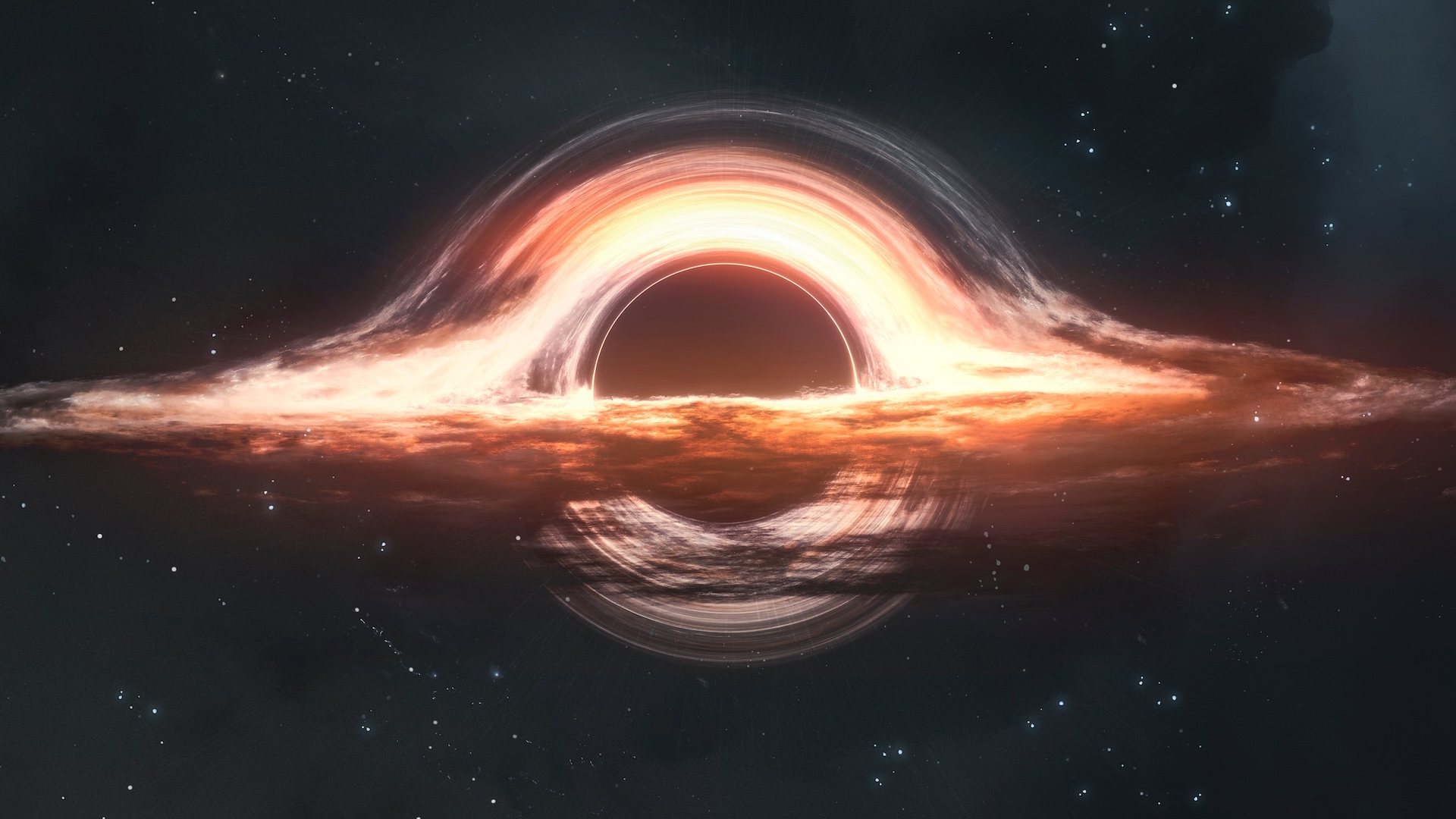
A supermassive mystery lurks at the center of the Milky Way. Supermassive black holes are gigantic ruptures in space-time that sit in the middle of many galaxies, periodically sucking in matter before spitting it out at near light speeds to shape how galaxies evolve.
Yet how they came to be so enormous is a prevailing mystery in astrophysics, made even deeper by the James Webb Space Telescope (JWST). Since it came online in 2022, the telescope has found that the cosmic monsters are shockingly abundant and massive in the few million years after the Big Bang — a discovery that defies many of our best models for how black holes grew.