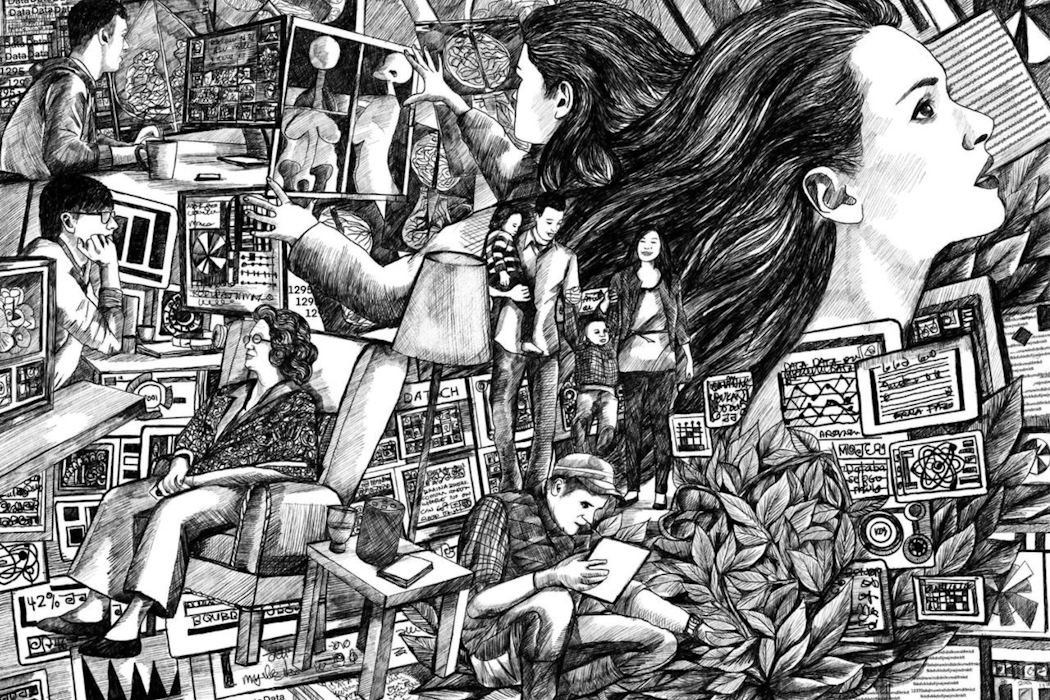
Artificial intelligence (AI) isn’t just made up of data, chips and code – it’s also the product of the metaphors and narratives we use to talk about it. The way we represent this technology determines how the public imagination understands it and, by extension, how people design it, use it, and its impact on society at large.
Worryingly, many studies show that the predominant representations of AI – anthropomorphic “assistants”, artificial brains, and the omnipresent humanoid robot – have little basis in reality. These images may appeal to businesses and journalists, but they are rooted in myths that distort the essence, abilities and limitations of current AI models.