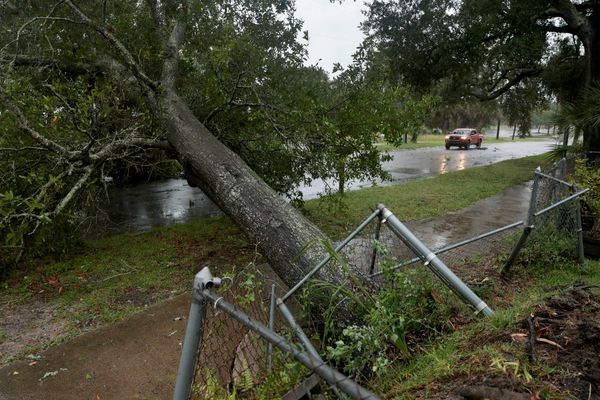
We live in an age of manufactured scarcity. In a world richer than ever before, roughly one 10th of the world’s population still lives in extreme destitution. Millions of people cannot afford enough food, proper housing or basic healthcare, while a tiny minority accumulates unprecedented wealth and power. At the same time, droughts, megafires, floods and heatwaves remind us that our economies are pushing the planet beyond its limits.
These are not separate crises. They are symptoms of an economic model that has reached the end of the road. Poverty and inequality are not accidents; they are predictable outcomes of policy choices: how we design tax systems, regulate labour markets, value care, structure public services and decide whose needs and whose voices matter. Crucially, if governments can manufacture poverty, they can also dismantle it.