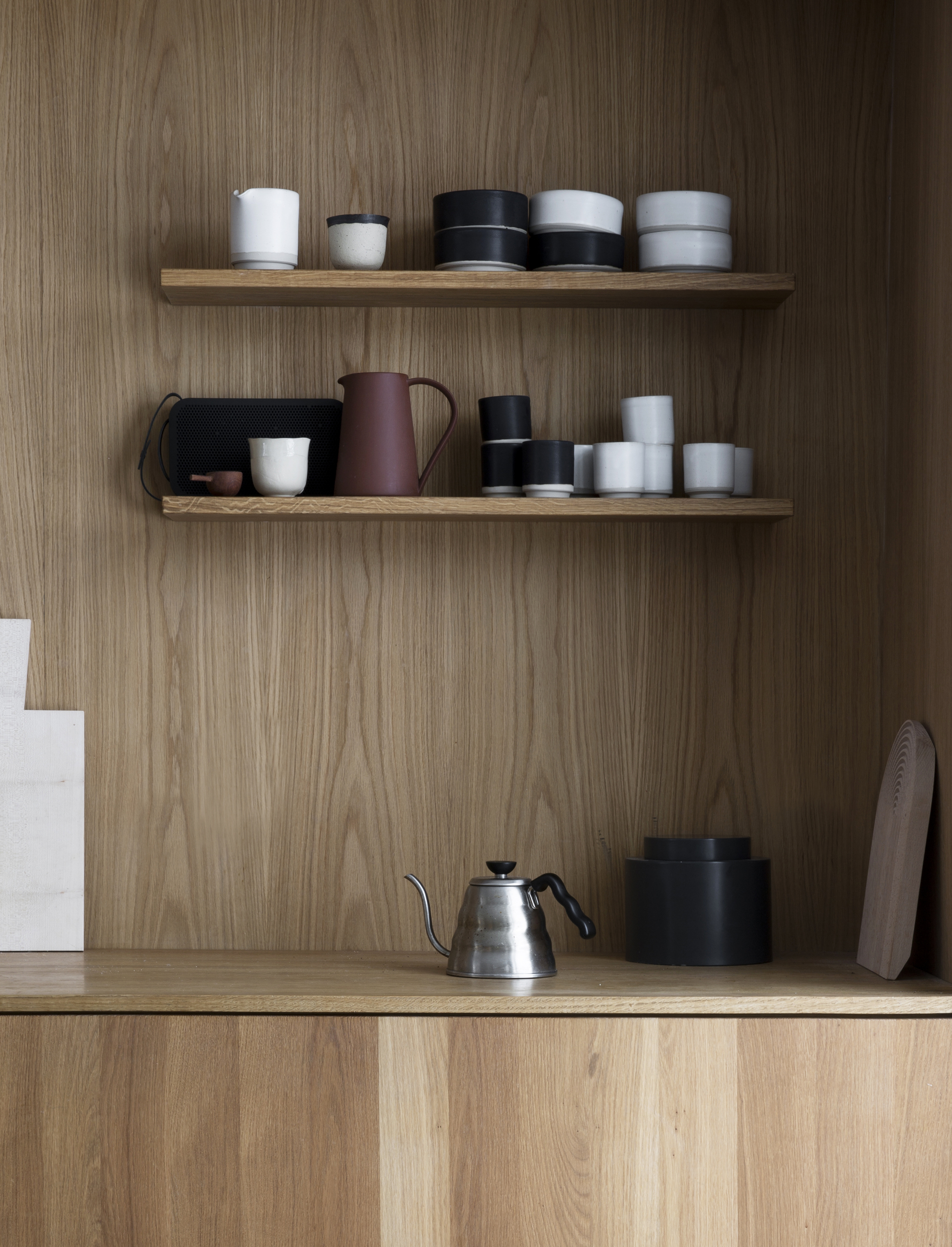
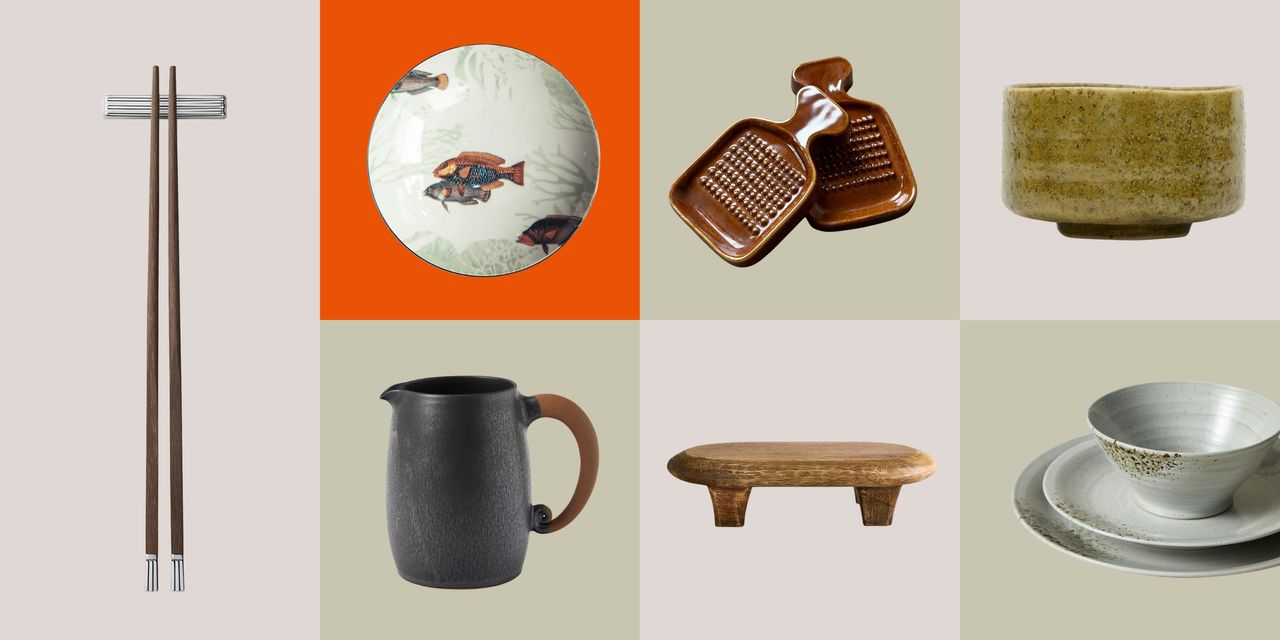
Japan has been on my travel list for as long as I can remember. I have always admired the culture, the discipline, the attention to detail, and the simplicity that seems to shape everyday life there. One day I hope to experience it properly. Until then, the closest glimpse I have had has been sitting at some of the best omakase counters in New York, watching chefs move through their work with remarkable precision and calm.What stayed with me in those moments was not just the food, but the way the tools were treated. Each knife, bowl, or wooden utensil felt purposeful, used with care and returned to its place with quiet intention. Watching that rhythm unfold made me think more deeply about the philosophy behind Japanese kitchens. Instead of filling surfaces with tools that rarely get used, the focus is on choosing objects that serve a real purpose every day. A knife that lasts for years. A bowl that becomes part of a daily meal. Storage that keeps the space clear and easy to work in.This way of thinking reflects a wider philosophy within Japanese design, where beauty and usefulness rarely exist separately. Instead, thoughtful materials, careful organisation, and restraint create spaces that feel efficient and quietly intentional.