Get all your news in one place.
100's of premium titles.
One app.
Start reading
TechRadar
TechRadar
David Nield

Watch out, Dolby: Apple and Google just announced a new custom version of HDR, and it could arrive on the iPhone 18 first

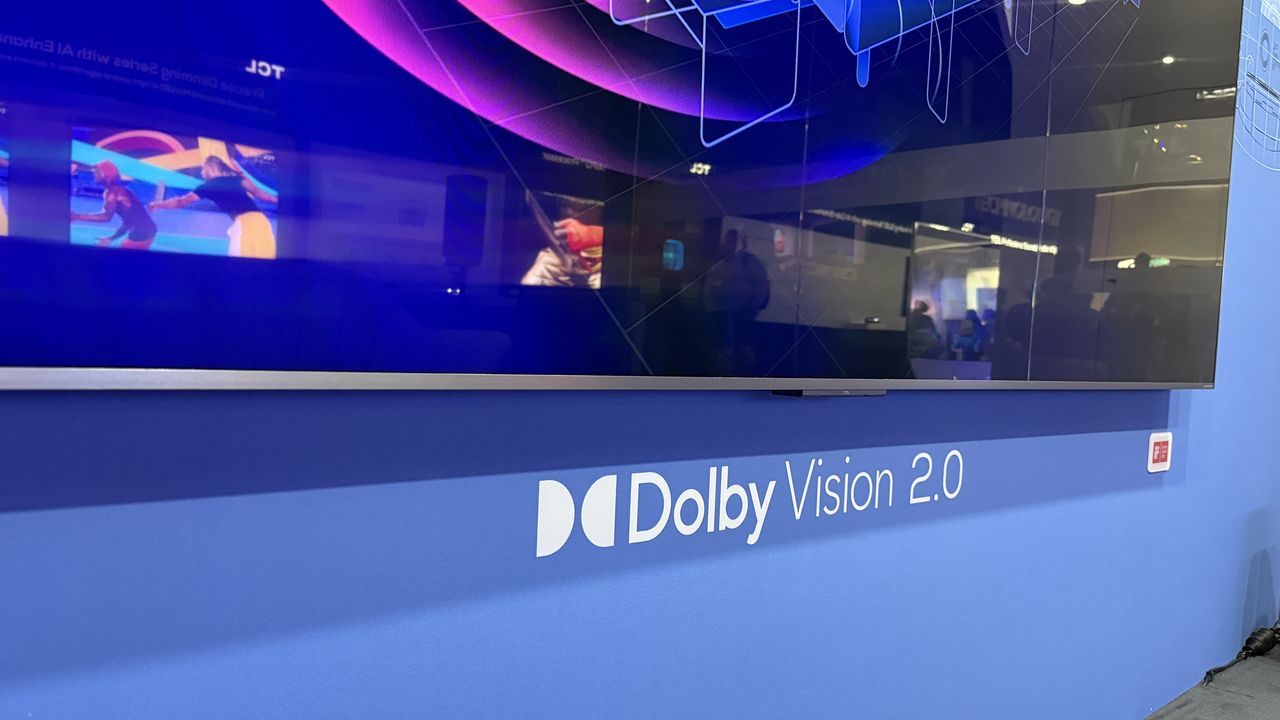
Signs for Dolby Vision 2 at IFA.
  • Eclipsa Video is a new HDR standard heading to phones first
  • It's backed by experts from Google, Apple, and NBC Universal
  • For now, it won't be competing directly against Dolby Vision or HDR10+

There's yet another HDR (High Dynamic Range) standard for displays to know about, developed by experts from Apple, Google, and NBCUniversal — and it looks set to provide some open-source (and license-free) competition for Dolby Vision, albeit on phones and laptops rather than TVs.
It's called Eclipsa Video, and, as FlatpanelsHD reports, it was announced without much fanfare. As a companion to Eclipsa Audio, which you might remember launched in 2025, and based on the technical standard SMPTE 2094-50.

One of the key goals is to fix a major HDR pain point: HDR is designed to balance highlights, shadows, and contrast so that nothing gets lost, but device screens all have different brightness limits. That means HDR signaling can get confused, leading to a less-than-ideal viewing experience.

That shouldn't happen with Eclipsa Video. The standard includes metadata protocols for reporting to the video what the limits of the viewing device are, so that the HDR can be tailored accordingly. "The video you're watching looks exactly the way the creator intended," Google's Roshan Baliga said last month.

The upcoming Dolby Vision 2 standard, meanwhile, aims to tackle the same exact problem, while adding numerous other upgrades. Particularly on cheaper, less capable televisions, you should get better results from HDR, provided both the TV and the content provider support the standard.

Coming to phones first

Might the successor to the iPhone 17 Pro feature Eclipsa Video? (Image credit: Lance Ulanoff / Future)

Support for Eclipsa Video will be required at both the hardware and software level, with the initial focus on phones, as per the official press release. Approved devices are expected to start showing up this year — and given Apple's involvement, that leaves us wondering whether the iPhone 18 Pro might be first in line.

The press release promises "stellar video performance on compatible smartphones, laptops, desktops and more," and it's perhaps telling that TVs aren't mentioned — perhaps the intention isn't to disrupt the current dominance of the Dolby Vision and HDR10+ standards on bigger screens, or at least not right away.

How exactly this fits into the current landscape isn't clear, and right now we don't have many details to go on. The Eclipsa Video standard is actually being put under the control of the HDR10+ consortium, which has confirmed that future devices can be certified for both HDR10+ and Eclipsa Video.

That suggests we're looking at something that complements rather than competes with the HDR10+ standard, at least for smaller screens, though HDR10+ will remain its own separate entity too.

As for Dolby Vision and Dolby Vision 2, given the backing that Apple has historically given to Dolby Vision, and that the NBCUniversal-owned Peacock streaming service has already announced it's supporting the upcoming Dolby Vision 2, Dolby might not have too much to worry about... yet.

Sign up to read this article
Read news from 100's of titles, curated specifically for you.
Already a member? Sign in here
Related Stories
Top stories on inkl right now
One subscription that gives you access to news from hundreds of sites
Already a member? Sign in here
Our Picks
Fourteen days free
Download the app
One app. One membership.
100+ trusted global sources.