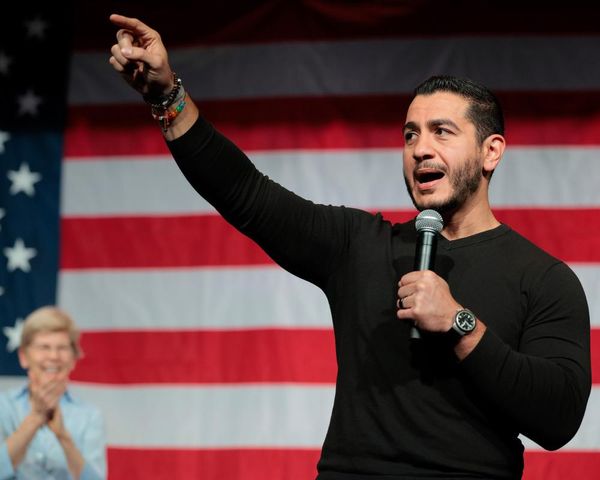
Another video clip that is briefly circulating on the Internet has brought back the controversy between media stories, political commentary, and the strength of emotional storytelling. In the video, conservative commentator Candace Owens appears in the second installment of her YouTube series, Bride of Charlie, in which she wonders how Charlie Kirk, an activist, died. The statements went viral immediately and were met with strong supporters and opponents.
The clip was further propagated when a podcast host Nathan Livingstone, criticized the claims saying that there was no evidence that the theory was presented. The scene points out how speculation and media framing, as well as the use of emotionally charged language, can quickly influence the discourse within the populace, particularly when it is related to high-profile individuals and political accounts.

Candace Owens’ remarks on Charlie Kirk's assassination spark controversy and scrutiny
In the episode, Candace Owens talks for a long time about how the public's reaction to Kirk's death was planned. She describes the event as an emotional show meant to sway public opinion and make people feel sorry for his wife, Erika Kirk.
Owens said, "I don't know if you've thought about this a lot, like I have, why did the military choose to have us all watch Charlie's execution? Think about that. They could have just like poisoned his drink or something, done their standard, you know, mess with the brakes and get into a car accident. I don't know, but no, they wanted us to watch it.”
She added, “They wanted to make sure that we all watched it and we had emotional reaction and that they could sort of harness our emotions to get behind Erica, right? Erica, that was where it was supposed to go. You watched it. She's the widow. That's why they just keep saying the thing. She's the grieving widow. She's a grieving widow."
Critics have pushed back hard, saying that there is no proof that the military was involved or that the execution was staged. Analysts of the media say that framing speculation as narrative can make people less trusting and split audiences even more along political lines.
Still, the clip shows a bigger truth about the digital age. Emotional framing often moves faster than facts. When it comes to grief, patriotism, or conspiracy, viral comments can change how people think long before they can be verified.
This moment reminds both viewers and readers that good stories can move people. However, it's still important to think critically to tell the difference between facts and opinions.