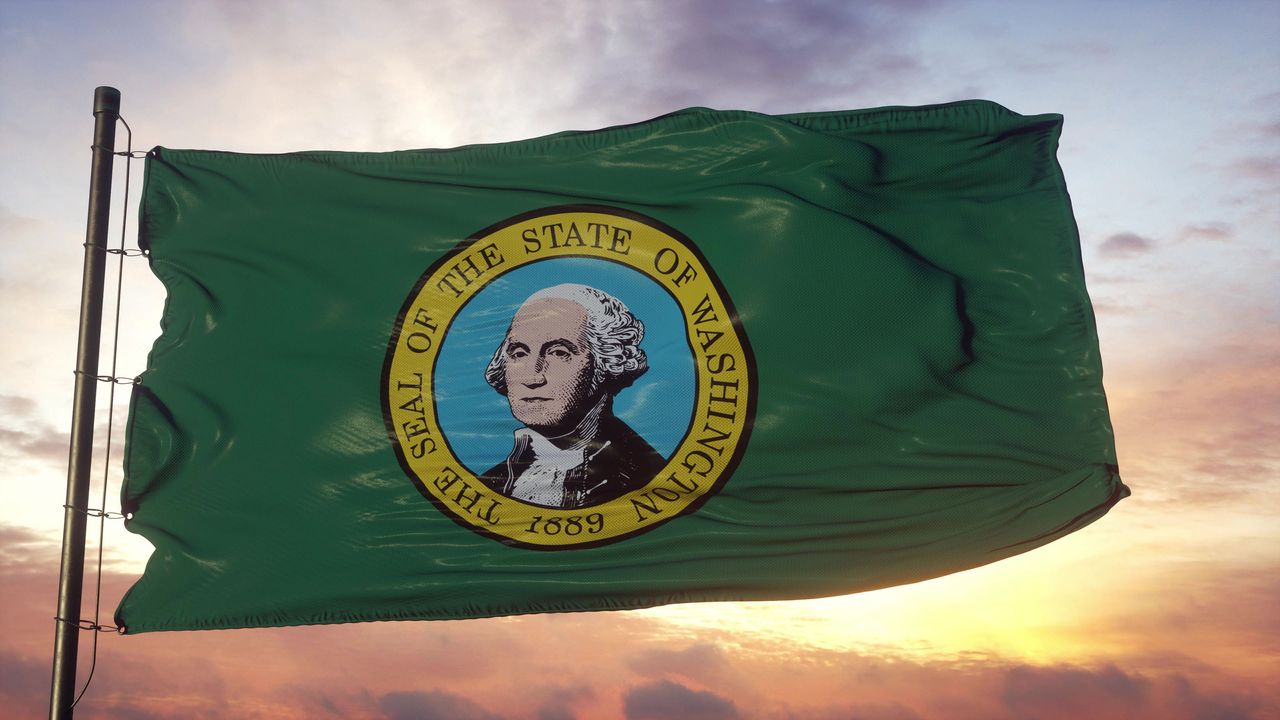
Navigating the complexities of state taxes can be daunting, but understanding Washington state's tax landscape is essential for residents and newcomers alike.
In this guide, we'll explore key components of The Evergreen State's tax system, from income and sales taxes to property taxes and retirement benefits.
Washington state tax: Overview
Washington is one of only nine states with no income tax, which is a big draw for many residents. Property taxes are fairly average, but where the state stands out is its high sales tax rate.
The state's controversial capital gains tax was upheld by the Supreme Court, adding a new twist to the tax story. How much you pay often depends on the kind of income you have and where you live, making it a bit of a mixed bag for residents.
As Kiplinger has reported, the state's capital gains tax recently increased. And...the state approved a 9.9% "millionaire's tax."
[Data for this state tax guide was gathered from several sources including the U.S. Census Bureau, the state’s government website, the Sales Tax Handbook, and the Tax Foundation. Property taxes are cited as a rate percentage rather than the assessed value.]
Washington state Income tax

There is no state personal income tax in Washington. However, unlike other states with no personal income tax, Washington State now has a capital gains tax of 7%.
Washington state retirement taxes
- Pensions: Not taxable
- 401(k) and IRA Distributions: Not taxable
- Social Security: Not taxable
Washington sales tax

Washington's state sales tax rate is 6.5%. Localities can add up to 2.46% to that, with the average combined rate at 8.96%, according to the Tax Foundation.
- Groceries: Exempt
- Prescription drugs: Exempt
- Clothing: Taxable
How much are property taxes in Washington?

In Washington, the average effective property rate is 0.76%.
Washington Property Tax Breaks for Retirees
Property tax exemption program: Qualified homeowners may have their property taxes reduced. Additionally, this program can prevent excess taxes if the market value increases by freezing the home's taxable value. To qualify for this program, you must meet specific requirements by the end of the assessment year.
- Must be at least 61 years of age (at least 57 if the surviving spouse of a qualified participant)
- Must own your home
- Must have lived in the home for more than half the year
- Combined disposable income must not exceed the county threshold .
Property tax deferral: Adults 60 or older with disposable income below the county-based threshold may also qualify for the state's tax deferral program.
The program allows qualified homeowners to defer property taxes or special assessments on their residences.
The state pays the taxes on behalf of the homeowner and files a lien to indicate that the state has an interest in the property. The deferred taxes, plus 5% interest, must be repaid to the state when the owner passes away, sells, or otherwise moves from the home.
For more information on the programs above, see Property tax exemptions and deferrals
Washington gas tax

- Gasoline: $0.565 per gallon
- Diesel: $0.595 per gallon
Source: Sales Tax Handbook
Washington taxes on alcohol and tobacco
Product |
Tax Amount |
Cigarettes |
$3.03 per pack |
Other tobacco products |
95% of wholesale |
Source: Sales Tax Handbook
Product |
Tax Amount |
Wine |
$0.87 per gallon |
Beer |
$0.26 per gallon |
Liquor |
$14.27 per gallon |
Source: Sales Tax Handbook
Washington estate and inheritance taxes
- Currently, an estate tax is imposed by Washington on estates exceeding $3 million (the exemption threshold is adjusted annually for inflation).
- Tax rates range from 10% to a high of 35%.
- However, Washington recently cut estate taxes to the previously enacted tax rates and a new $3 million exemption, as of July 1, 2026.
- Plus, the state offers an additional $2.5 million deduction for family-owned businesses with a value of less than $6 million.
There is no inheritance tax in Washington.
Washington capital gains tax
Washington's capital gains tax is 7% on the sale or exchange of individual long-term capital assets (e.g., stocks, bonds, business interests, etc.) that exceed $250,000. Only the portion of gains above the threshold is subject to the tax, and some assets are exempt from the tax.
The capital gains tax was challenged in court, but the Washington Supreme Court upheld the capital gains tax in 2023 as a valid excise tax under the state's constitution.
As mentioned, the levy was recently increased for some in 2025.
Washington millionaires tax
As Kiplinger has reported, Washington has approved a 9.9% tax on personal income above $1 million. That is a notable move in a state that has historically avoided taxing wages, but that began taxing certain capital gains a few years ago.
The measure, Senate Bill 6346, known as the “Millionaires' Tax," will take effect in 2028, with the first tax payments collected in 2029.
Supporters highlight its potential to fund essential services and reduce reliance on regressive taxes.
Opponents argue it risks chasing top earners away and reshaping Washington’s tax landscape in ways that could ripple through the economy. Some groups already plan to sue the state over the new law.
For more information, see: A 9.9% Washington Millionaires' Tax is Here: What's Next for High Earners?