The already-tense relationship between Washington and Brasília took a fresh hit this week when the State Department canceled the U.S. visa belonging to Brazil's ambassador, Maria Luiza Ribeiro Viotti — the latest flashpoint in a standoff that has been building for more than a year across trade policy, an approaching presidential election, and a criminal case against a close Trump ally.
Washington Calls It Payback, Not a Deportation
A senior State Department official walked reporters through the decision on a Tuesday briefing call, describing it as a tit-for-tat response to Brazil's refusal to formally clear Washington's own ambassadorial nominee. The official drew a sharp distinction between yanking a visa and forcing someone out of the country, telling reporters plainly, "That is not the same thing as kicking the person out of the country." Viotti has not been designated persona non grata and remains free to stay in the U.S. — though she would need to file a new visa application if she ever left, and her status would snap back the moment Brazil signs off on its American counterpart.
A department spokesperson gave a blunter version of events to Fox News Digital, saying officials had spent weeks in contact with Brazilian counterparts and had "given the Brazilian government every opportunity to do the right thing" before losing patience. The spokesperson left the door open to additional retaliatory steps if Brasília keeps stalling.
Brasília Pushes Back Hard
Brazil's government wasted no time firing back. The presidency's office rejected Washington's justification outright and folded the visa cancellation into a longer list of grievances, calling it part of "a deliberate escalation of hostile measures against Brazil" that it said was driven by ideology rather than diplomacy. Brazil's foreign ministry has spent weeks arguing, separately, that Washington is leaning on both diplomatic and economic levers to tilt the political mood ahead of the country's October presidential vote.
The Fight Really Centers on One Unconfirmed Nominee
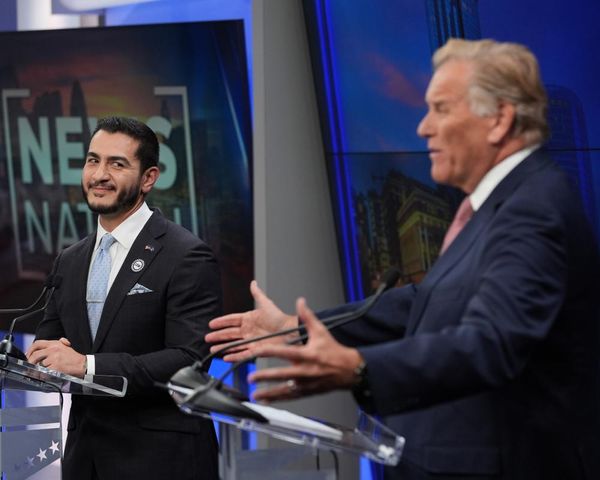
At the heart of the dispute sits Daniel Perez, the sitting Speaker of the Florida House of Representatives and a close ally of Secretary of State Marco Rubio, whom Trump nominated in June to become Washington's next envoy in Brasília. Perez cleared the Senate Foreign Relations Committee in late July but still needs a full Senate vote, and even after confirmation he can't take up the post until Brazil grants the formal approval known as agrément. Brazilian officials are said to view Trump's decision to announce the pick before quietly clearing it with Brasília as a breach of normal protocol, and government sources say the nomination will face a review that could stretch past the election. A State Department official dismissed that reasoning, insisting Brazil "owes us a prompt and positive answer to our request."
This wasn't the first shot fired over visas, either. Brazil denied entry last month to two State Department officials from the agency's human rights bureau, worried their trip was designed to cast doubt on the integrity of Brazil's electoral process; Washington maintained the visit was routine and centered on election integrity, religious freedom, and free expression.
A Trade Fight With an Unusual Twist
Layered on top of the ambassador standoff is a bruising tariff dispute. In mid-July, the U.S. Trade Representative imposed a 25% tariff on a broad swath of Brazilian goods, the product of a yearlong Section 301 investigation into what Washington calls unfair trade practices tied to digital commerce and deforestation enforcement. Coffee, beef, orange juice, and civil aircraft were left off the list, and — contrary to easy assumptions — roughly two-thirds of Brazil's exports to the U.S. escape the new duty altogether once goods already covered by separate steel, aluminum, and copper tariffs are factored in. A parallel forced-labor investigation could tack on another 12.5%, pushing the combined rate on some goods to 37.5%. What makes the whole exercise unusual: the U.S. actually runs a trade surplus with Brazil — $14.4 billion last year, more than double the year before — a fact Brazilian officials say undercuts Washington's "unfair trade" framing entirely.
Bolsonaro's Prison Sentence Is the Root of It All
Much of Trump's frustration traces back to the prosecution of Jair Bolsonaro, his ally and Brazil's former president, who was ultimately handed a prison sentence topping 27 years for orchestrating a plot to overturn his 2022 election defeat. Trump had originally floated a blanket 50% tariff explicitly tied to Bolsonaro's case back in 2025 — a levy later scrapped after the Supreme Court ruled that the emergency powers law Trump used to impose it didn't apply.
An Election Hangs Over Everything
Timing is doing a lot of work here. President Luiz Inácio Lula da Silva formally kicked off his re-election bid in early August — a fourth stint in office, though not consecutive — telling supporters in São Paulo he was "in great shape" and framing October's vote as a referendum on national sovereignty. His chief rival is Senator Flávio Bolsonaro, the imprisoned former president's eldest son, whom Trump is widely seen as favoring; an early Datafolha poll had Lula ahead of Flávio Bolsonaro in a hypothetical runoff, 48% to 43%. With Washington and Brasília now trading visa cancellations and tariff threats just two months before Brazilians vote, there's little sign the diplomatic freeze will thaw before the ballots are counted.