
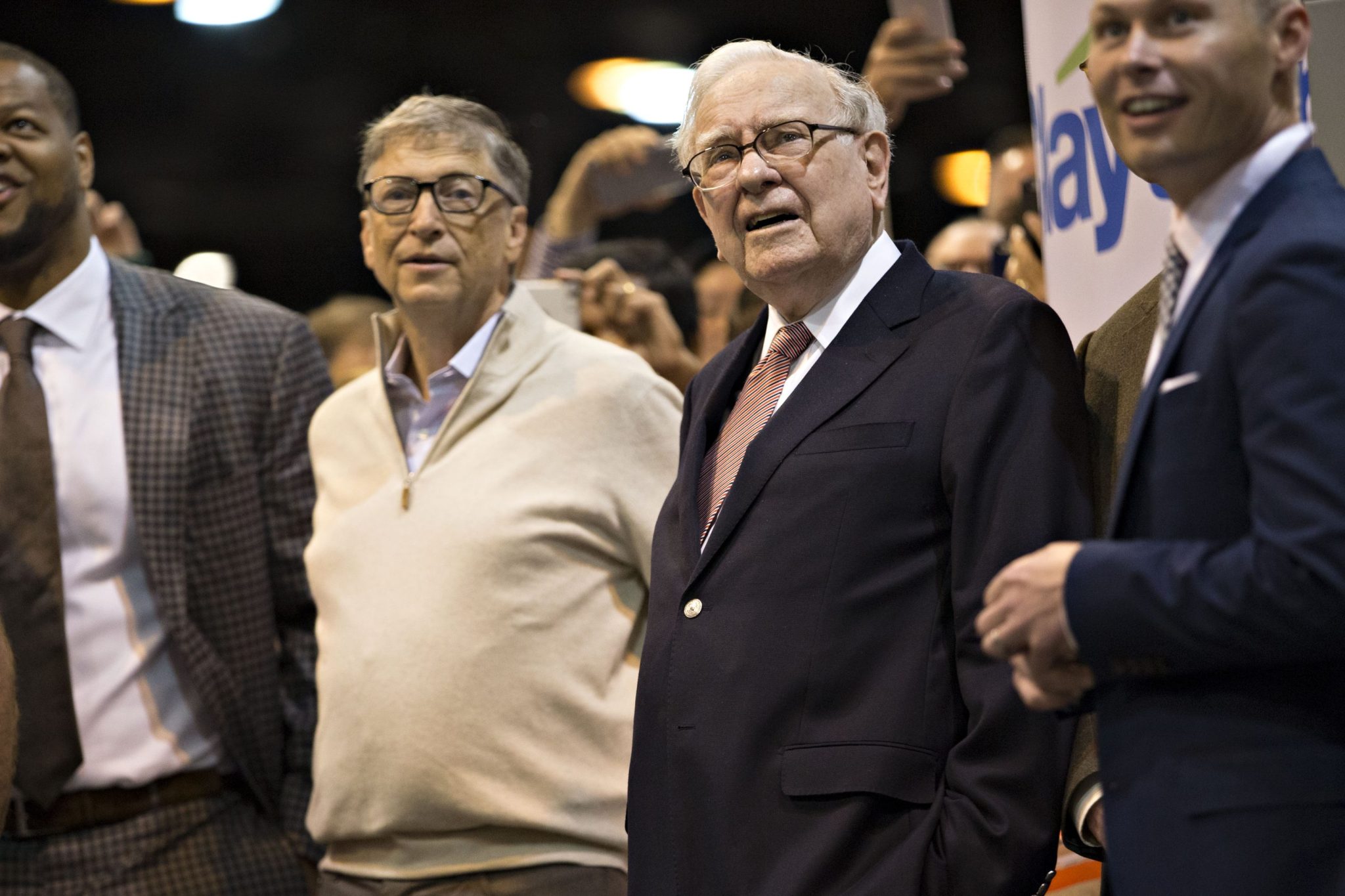
Warren Buffett is to investing what Einstein was to physics, Edison was to invention, and Mozart was to music. There will never be another one like him, and you should pity anyone who says they aspire to be “the next Warren Buffett.” Whenever I hear someone talk about “the next Warren Buffett,” I think of Antonio Salieri, Mozart’s inferior rival, played brilliantly by F. Murray Abraham in the movie Amadeus. In the film’s climactic scene, Mozart dictates his Requiem to Salieri from his deathbed. As Salieri struggles to keep up with the genius pouring forth, his face is equal parts awestruck and ravaged. It is the face of a person who knows he is doomed—not to failure, but to something perhaps even worse: mediocrity.
As we pause to honor the master’s legacy, however, it’s clear that Buffett’s oeuvre is in fact divided into two distinct periods. The first lasted from shortly after he graduated from Columbia Business School in 1951 as Ben Graham’s star pupil to the end of the dot.com bust. If you had invested in Buffett’s partnership in the early days and then rolled your money into Berkshire Hathaway when that old textile company became his investing vehicle, over the next fifty years you would have nearly 500 times more money than if you’d invested in the S&P 500.
You don’t get a sense of how awesome, in the original sense of the word, that figure is until you translate the difference into actual dollars. A million dollars invested in the S&P from 1957 through 2007 would have been worth $166 million—but a million invested with Buffett would have been worth almost $81 billion. Fast forward another 18 years, and your $1 million with Buffett is now worth almost $428 billion.