
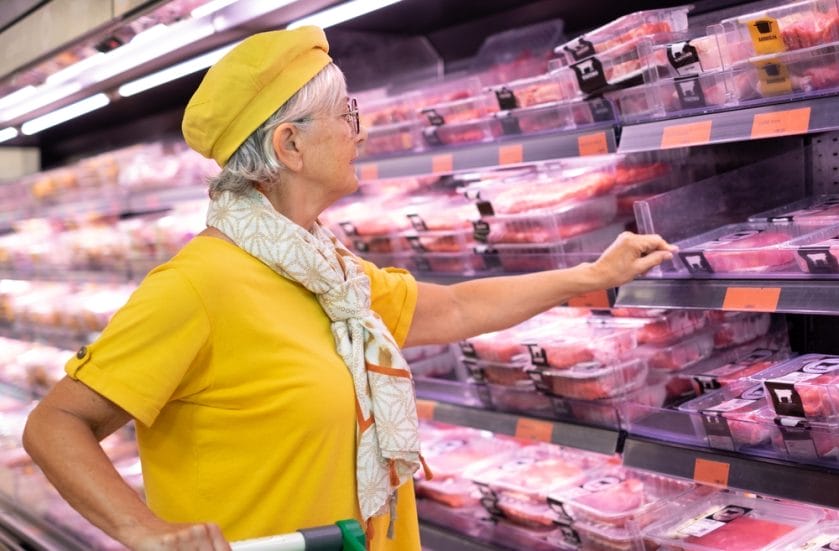
If your grocery total feels jumpy lately, you’re not imagining it—some staples get hit by supply shocks fast, and the shelf price changes before most shoppers even hear the “why.” Weather, disease, global shipping, and farm-level cycles can all collide at once, and that’s when a normal item suddenly feels like a splurge. The smartest move isn’t panic-buying, it’s knowing which categories tend to swing and having a simple plan. That might mean swapping brands, freezing extras, or timing purchases around promotions. Here are six staples worth watching closely if you’re trying to avoid the next spike in price.
1. Beef And Ground Beef
Beef prices have been pushed higher by tight cattle supplies, and major producers have pointed to constraints lasting beyond a single season. When herd numbers stay low, stores compete for supply and shoppers feel it in everything from steak to ground beef. If beef is a weekly staple in your house, start stretching it now by mixing half beef and half beans or lentils in tacos, chili, and pasta sauce to blunt a spike in price. Also watch for “manager’s special” markdowns you can portion and freeze the same day.
2. Cocoa And Chocolate Are Poised to Spike in Price
Cocoa has been extremely volatile, with recent reports tying price swings to shifting crop expectations and global supply math that can flip quickly. Even when prices retreat, the market can whipsaw because production is concentrated and weather or disease can change the outlook fast. If chocolate chips, cocoa powder, or baking bars are staples, stock one spare during a sale instead of waiting until holiday demand ramps up and triggers another spike in price. For daily use, consider mixing cocoa powder with a little less chocolate in recipes and leaning on spices like cinnamon to keep flavor strong.
3. Coffee
Coffee prices have been sensitive to supply and weather risk, and that sensitivity doesn’t disappear just because one forecast looks better. Analysts have pointed to recovering production potential, but they also flag weather as a recurring wildcard that can shift expectations quickly. If coffee is nonnegotiable, buy whole beans when promotions hit, freeze in airtight portions, and grind as needed to keep quality. That “buy on sale, freeze smart” routine protects you when a spike in price hits without warning.
4. Rice
Rice seems stable until it isn’t, because small changes in production, imports, or global shipping can ripple into retail pricing. Recent outlook updates have highlighted adjustments in U.S. supply factors that can tighten availability for certain categories. If your store carries multiple varieties, be flexible: long-grain, jasmine, and parboiled often go on sale at different times, and switching types can save real money. To avoid a spike in price, keep a small pantry buffer (even one extra bag) and restock only when you catch a deal, not when you’ve hit zero.
5. Orange Juice And Citrus
Orange juice pricing connects to crop shifts and ongoing production pressures, and growers continue to face disease challenges that can raise costs. Even when wholesale indicators soften, retail can lag, and store brands may reduce package size before they lower price. If your household goes through a lot of OJ, compare unit prices across shelf-stable, refrigerated, and concentrate, because concentrate often stays the best value when prices move. When a spike in price shows up, alternating with other breakfast drinks a few days a week can cut your spend without feeling like a “cutback.”
6. Eggs
Egg prices can swing quickly when production is disrupted, and recent outlook notes have discussed how inventory and price projections can change as conditions evolve. The practical takeaway is that eggs can be calm for months, then jump fast in certain regions or weeks. If you rely on eggs for cheap protein, keep a short “backup plan” list: oatmeal, yogurt, beans, peanut butter, and canned fish can cover breakfasts and lunches when prices jump. That way, you aren’t paying during a spike in price just because you need a quick meal.
A Simple Plan That Keeps Price Spikes From Wrecking Your Budget
You don’t need to predict the future—you just need a routine that makes swings less painful. Pick one or two staples from this list that your household buys every week, then only restock them when they’re on promotion. Build a small “buffer” in the pantry or freezer so you can skip buying at full price when the shelf tag jumps. Get comfortable with swaps, like store brands, different package sizes, or rotating proteins, so a spike in price doesn’t force a last-minute splurge. A little flexibility is what turns grocery inflation into an annoyance instead of a budget emergency.
Which staple would hurt your budget the most if it jumped next week, and what swap would you actually use?
What to Read Next…
Why You Should Always Check the Bottom Shelf for These 8 Staples
The Real Reason Your Grocery Bill Is Higher This Year Has Nothing to Do With Inflation
10 Health Staples That Are Surprisingly Cheap if You Buy Them This Week
7 Grocery Prices That Quietly Spike at the End of the Month
8 Grocery Staples Stores Are Shrinking Without Lowering Prices
The post Warning These 6 Grocery Staples Are About to Spike in Price appeared first on Grocery Coupon Guide.