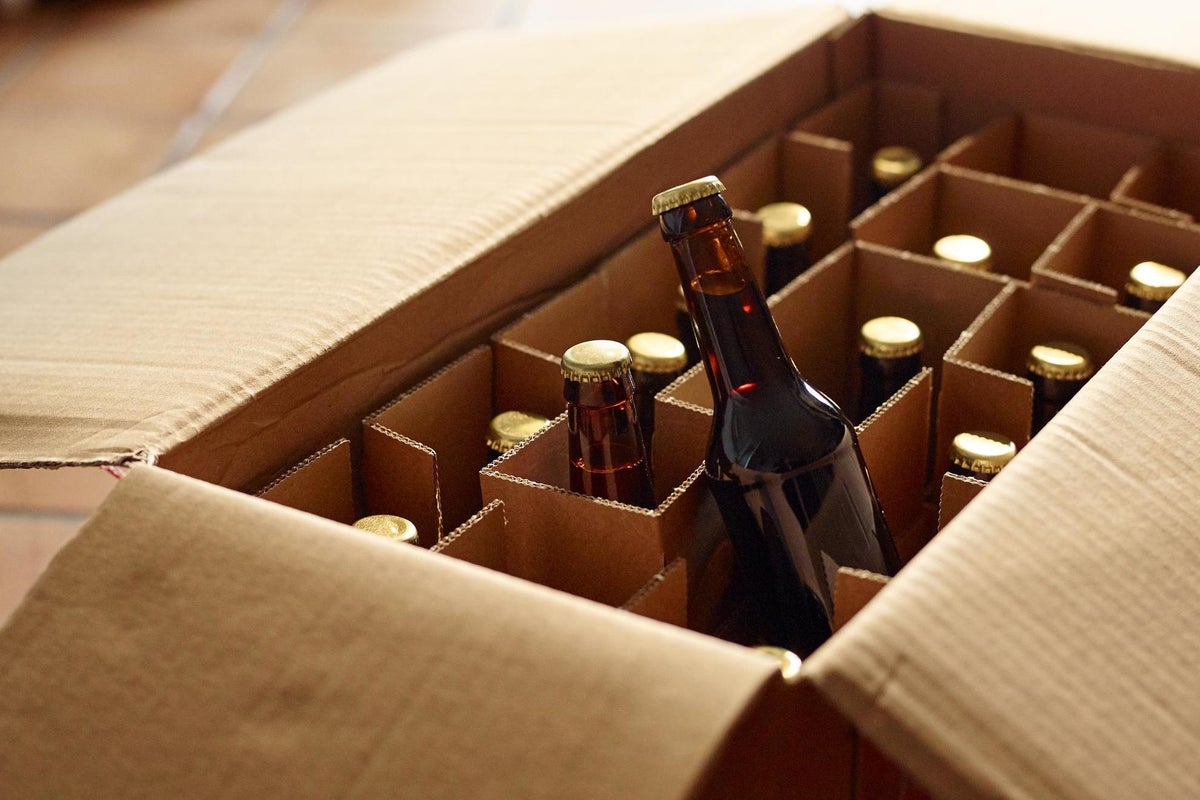
Serious concerns have been raised regarding the "unrestricted availability of alcohol" on delivery apps following the death of a 28-year-old man who repeatedly ordered large quantities of alcohol.
Joseph William Cooper died on June 19 last year after sustaining "traumatic injuries" in a fall from his third-floor window, which occurred "after he had placed himself outside his third-floor window whilst profoundly intoxicated". A prevention of future deaths report also cited co-occurring depression and an alcohol dependence syndrome as contributing factors to his death.
The report revealed that prior to his death, Mr Cooper frequently used online delivery services to obtain "large quantities of alcohol", even "on occasions when he was already obviously intoxicated".
Greater Manchester (South) area coroner Chris Morris, in his report produced on April 30 and published on Thursday, expressed further concern over the lack of adequate services for patients grappling with co-existing mental health and substance misuse conditions.
The coroner also raised concerns over the easy access to “unrestricted availability of alcohol” on online delivery apps.
He wrote in the report: “Mr Cooper was able to order large quantities of alcohol via online delivery services and have them delivered to his door quickly, including on occasions when he was already obviously intoxicated.
“I am concerned that large quantities of alcohol are so quickly and readily available from a range of retailers via online delivery services with only basic age-verification checks being undertaken.”
In April, research by charity Alcohol Change UK found one in five – or more than 12 million – adults in the UK were using rapid order and delivery services to buy alcohol at least once a week.
The research further found seven million people reported ordering alcohol while already drunk, while three million expressed worry about someone else’s increasing alcohol consumption because of delivery apps.
The charity, which is behind the Dry January movement, said the findings showed “rapid delivery of alcohol at the tap of a button is making it easier to drink more than we intend to and harder to cut back”.
The charity raised concerns about the impact of easy access to alcohol on drinking habits and alcohol-related harms, and on the consequences it can have on worried loved ones.
Earlier this year, several people told the media about their anger at delivery apps, which they said their parents used to quickly and easily purchase significant quantities of alcohol before they died.
Alcohol Change UK’s End the delivery trap campaign is calling on the Government to introduce safeguards on delivery services, including age verification and “intoxication checks”, limiting the hours when alcohol can be bought on the apps, restricting the frequency of orders and enabling individuals and their loved ones to block access to alcohol on delivery services.